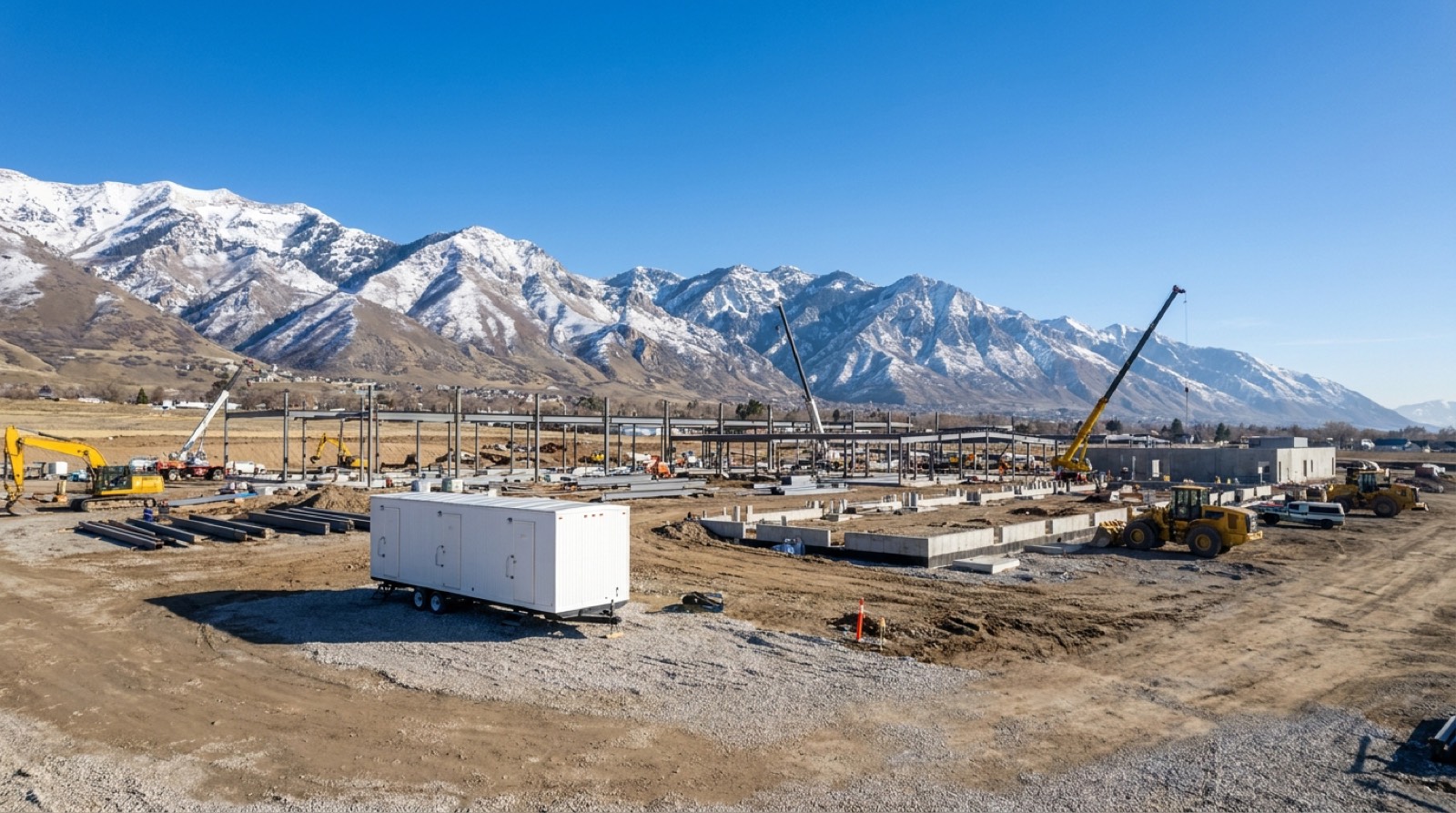
Utah
Refrigeration trailer rentals for Utah data center sites
High-and-dry cold chain for the Utah Lake corridor, run on the short supply lines of our Wasatch Front home yard.
High-and-dry cold chain for the Utah Lake corridor, run on the short supply lines of our Wasatch Front home yard.
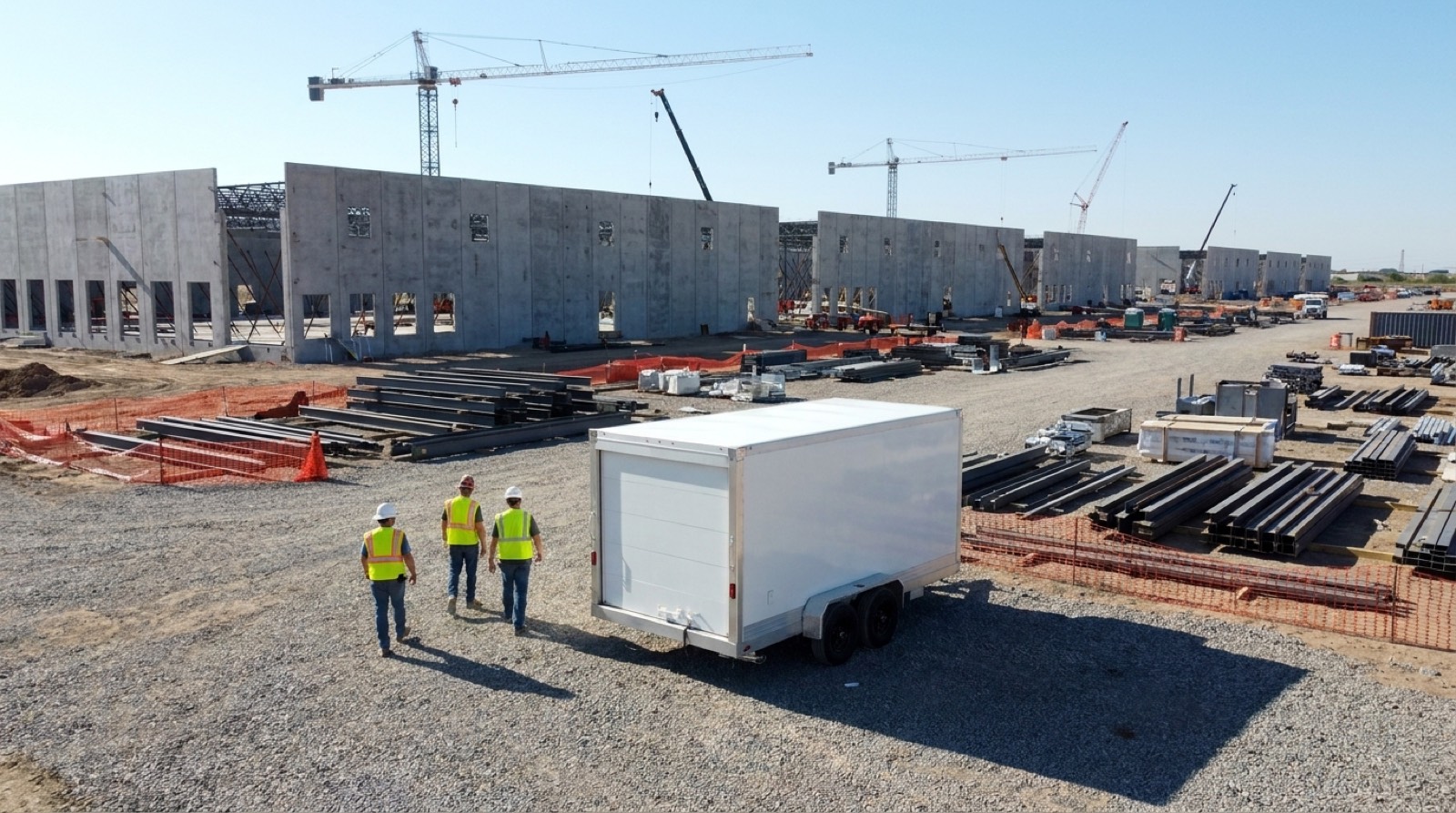
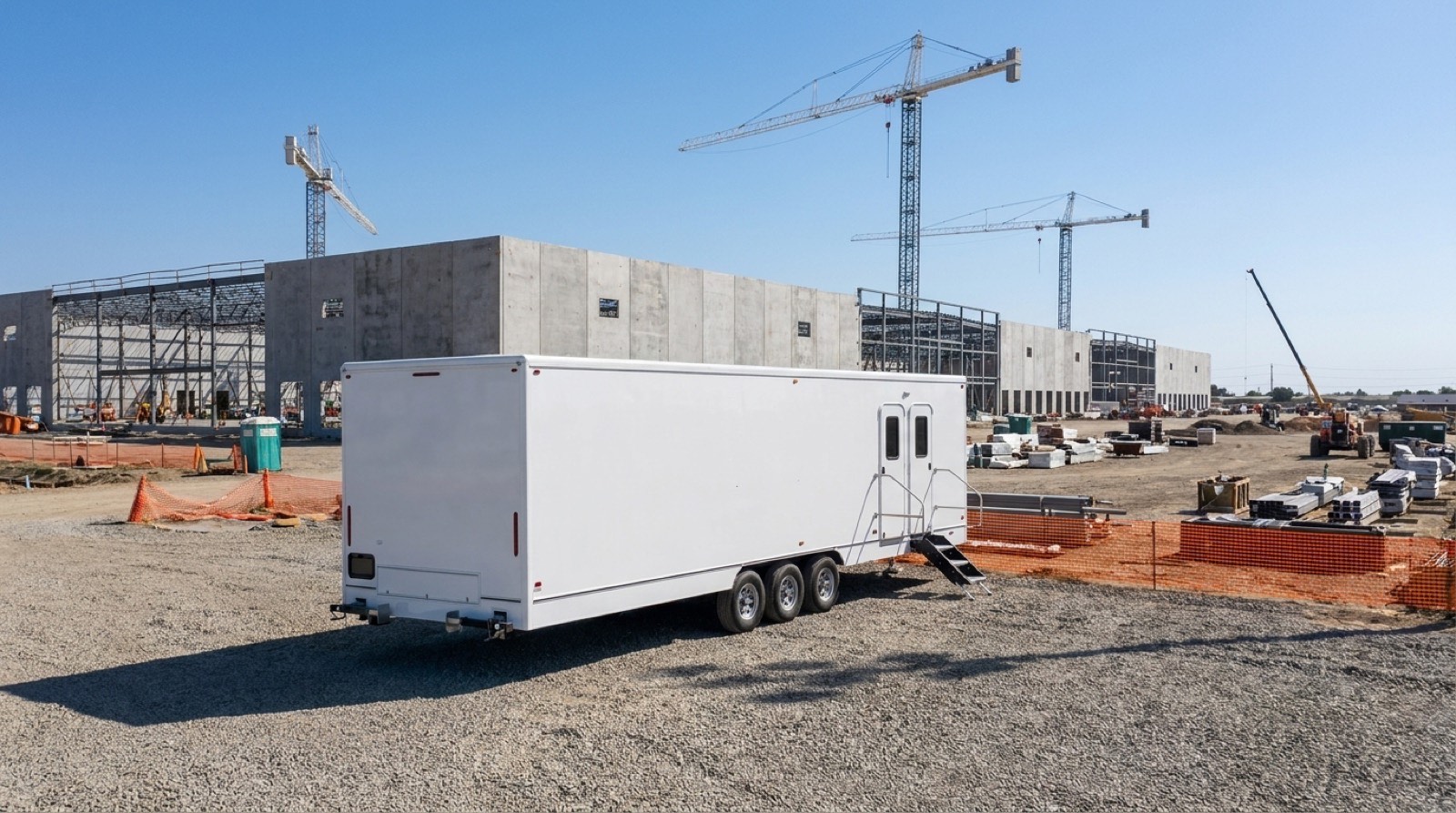
Utah's dry air is kind to cold storage in summer and hard on everything in winter. Corridor deployments run units specified for both: efficient setpoint holding through dry heat, and product freeze protection through the sub-zero weeks at elevation.
Eagle Mountain camps eat every meal on site, and the refrigeration trailer is the camp kitchen's backbone. Capacity sizes to the roster, stocking rides the supply route, and the food program never depends on a valley drive.
A refrigeration fault threatens product within hours, and our Wasatch Front headquarters puts response minutes away instead of a mobilization plan away. This corridor gets our fastest cold-chain support in the country.
Most Utah deployments bundle several units under one route. One contracted vendor, one dispatch, one escalation path, and a site plan that arrives already coordinated.
Extended-stay crews generate wash loads every week of the schedule. Laundry trailer rentals in Utah keep that cycle on site instead of in a hotel sink.
Restroom capacity anchors the plan. Restroom trailer rentals in Utah sit closest to the workface and set the service route that every other unit rides on.
Water is the first thing safety plans ask about. Hydration station rentals in Utah run on the same supply logistics as the rest of the package, so adding them costs one stop, not a second vendor.
Where crews rotate in from out of the area, the end of shift is its own rush hour. Shower trailer rentals in Utah carry that peak so the workforce goes home clean.
The paperwork side of the job needs a roof too. Office trailer rentals in Utah give supervision and inspections a place to meet without leaving the gate.
The full reach of our refrigeration trailer rentals program runs beyond Utah, covering every corridor we serve.
Questions we get
Summer efficiency comes easier in dry air, and winter demands product freeze protection through sustained sub-zero stretches.
Completely. The trailer is the camp kitchen's cold backbone, sized to the roster and stocked on the supply route.
Fastest in our network. Home-yard proximity puts a technician on a cold-chain fault often within hours.
Where we deploy
Heaviest concentration in the corridors carrying the most active data center construction, with nationwide mobilization beyond them.
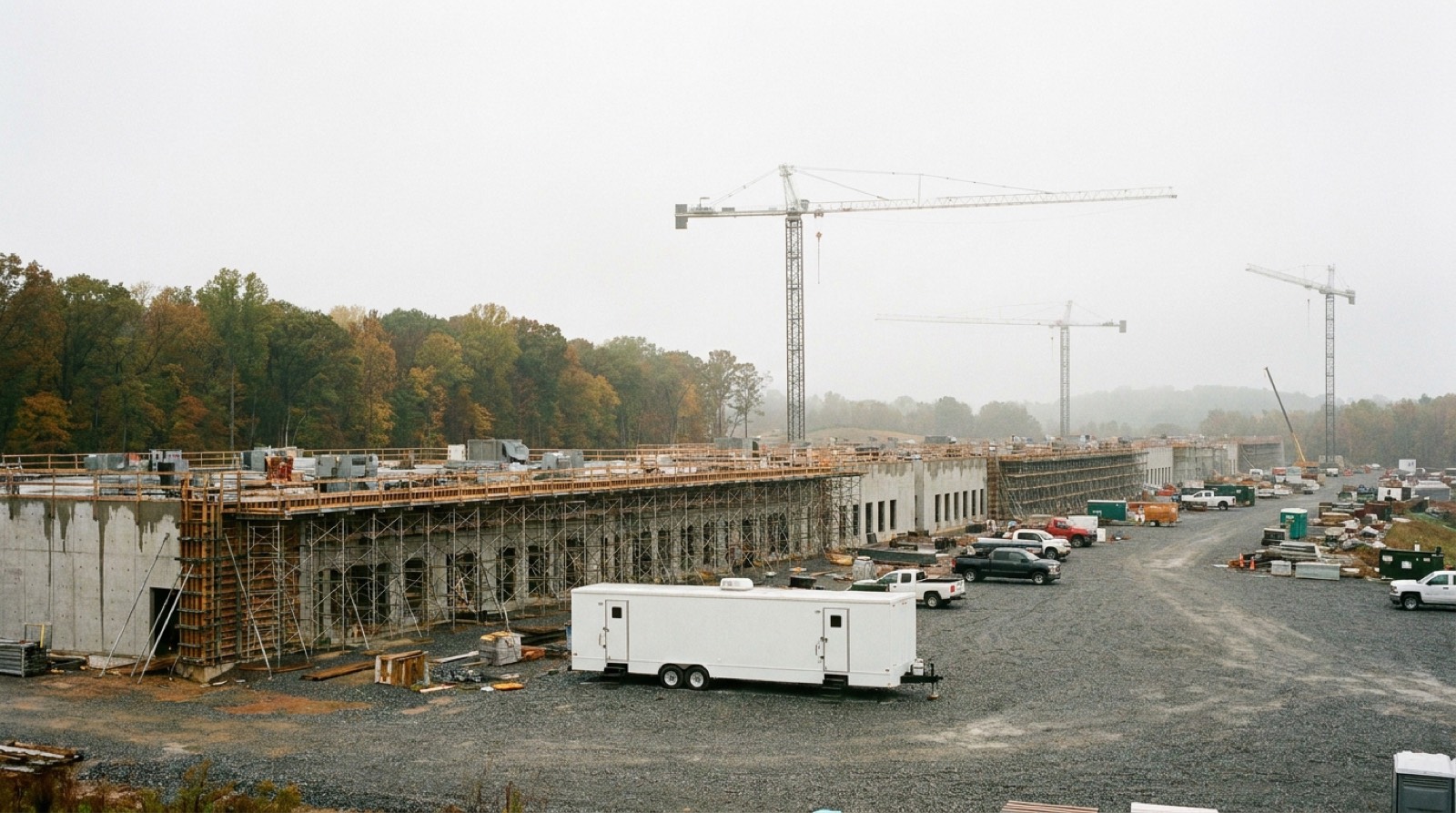
Loudoun County and Prince William run the densest data center concentration on earth. Multi-year campuses, badge-controlled access, crews in the hundreds, and facility requirements written into the subcontract.
View Northern Virginia →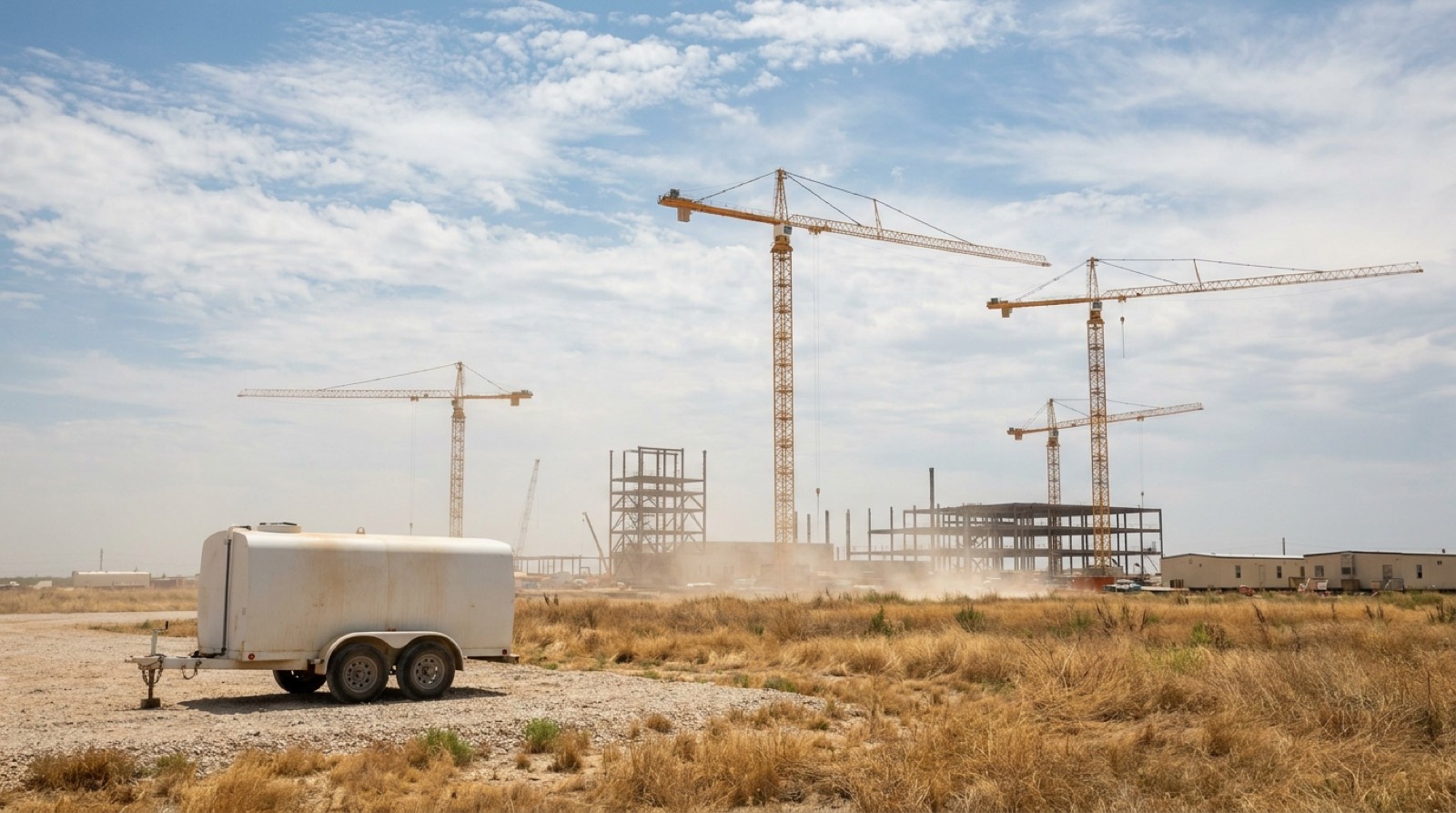
Dallas, Fort Worth, San Antonio and Abilene are carrying some of the largest campuses in the country. Summer heat makes hydration and shower capacity a safety line item, not an amenity.
View Texas →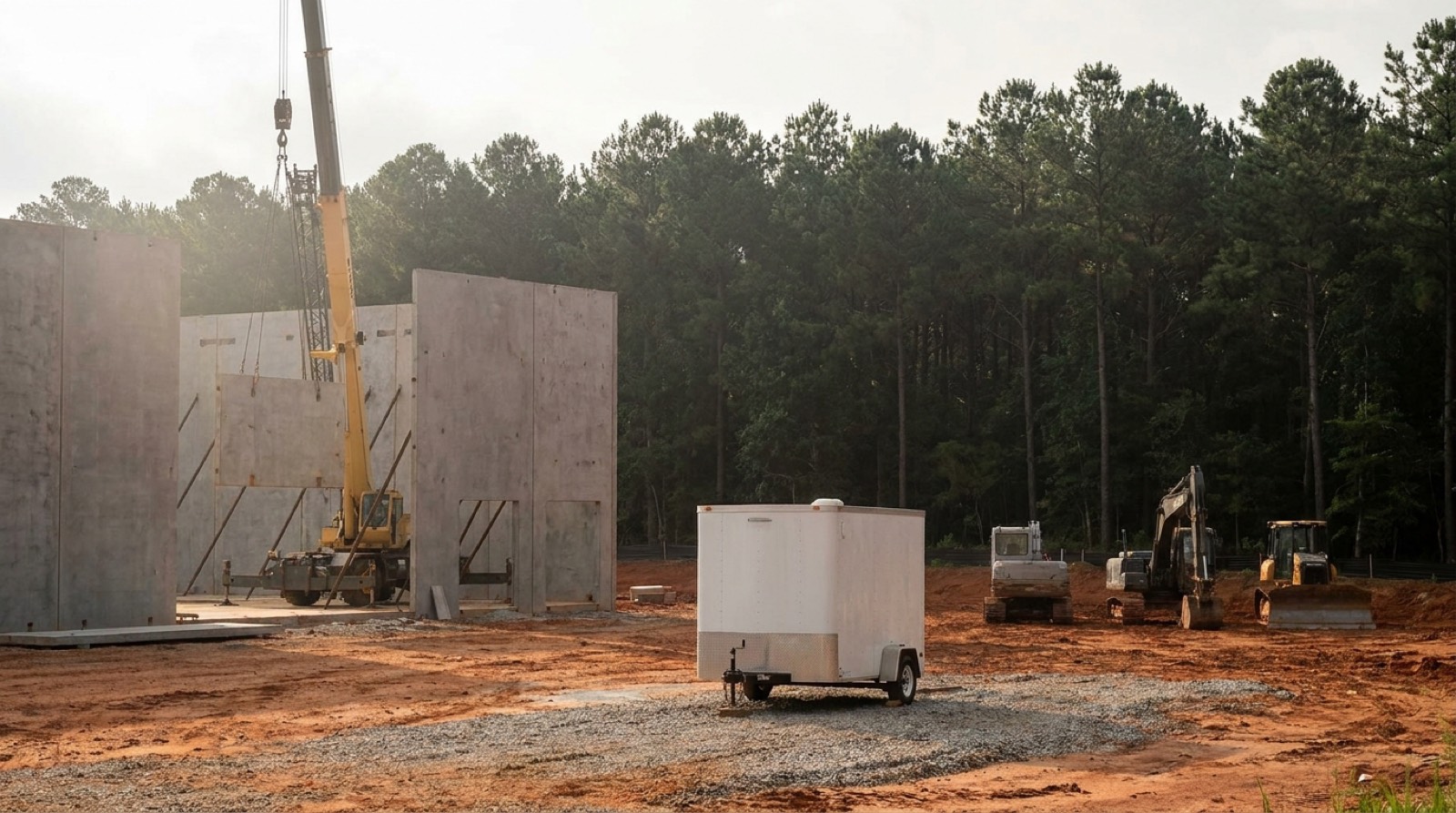
Atlanta metro and Douglas County, extending along I-20. Humid summers, long hauls between laydown and pad, and multi-phase schedules that keep facilities on site for years.
View Georgia →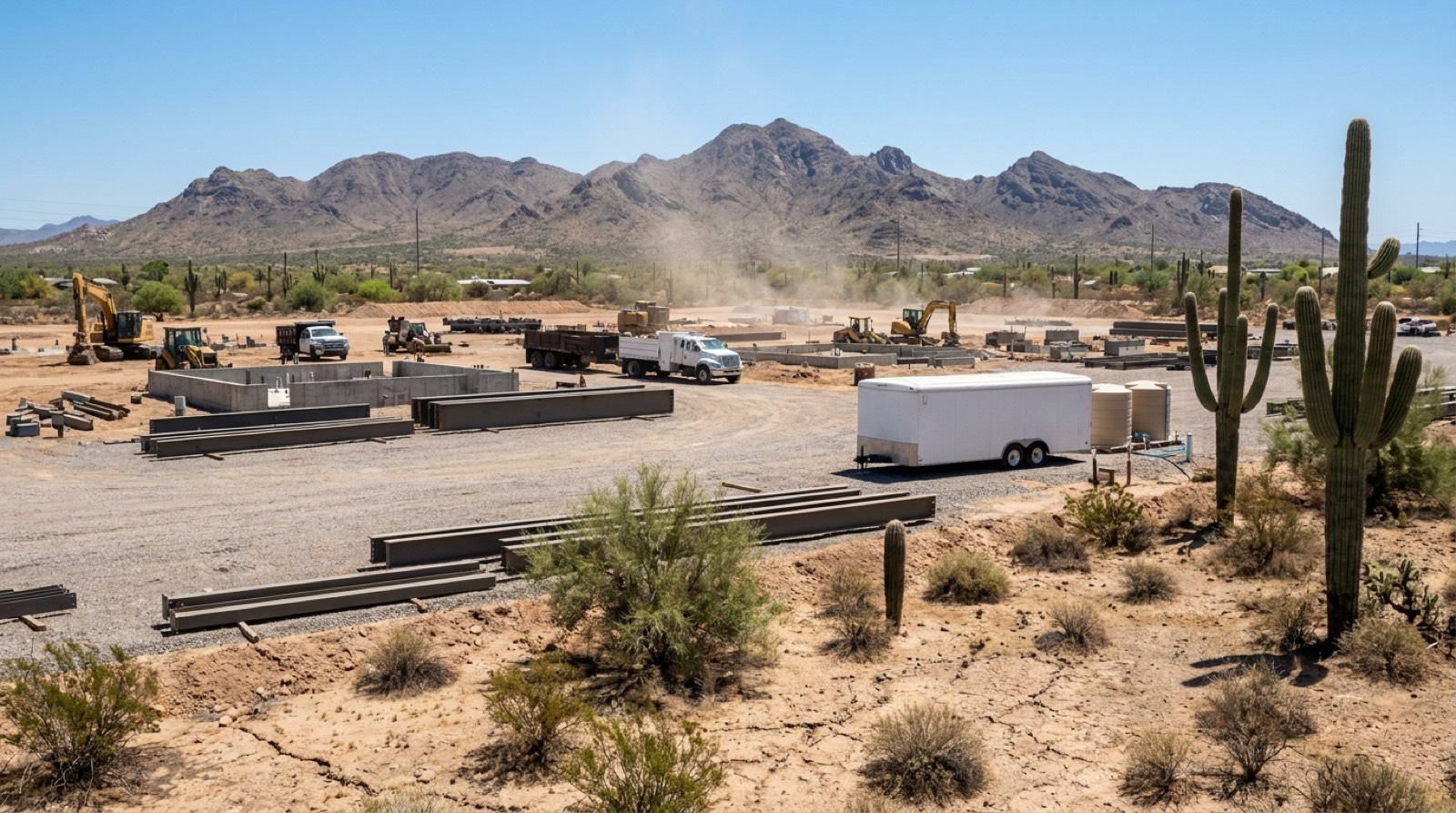
Phoenix and Mesa build through heat that regularly exceeds 110 degrees. OSHA heat-illness prevention drives water and shade requirements that our units satisfy directly.
View Arizona →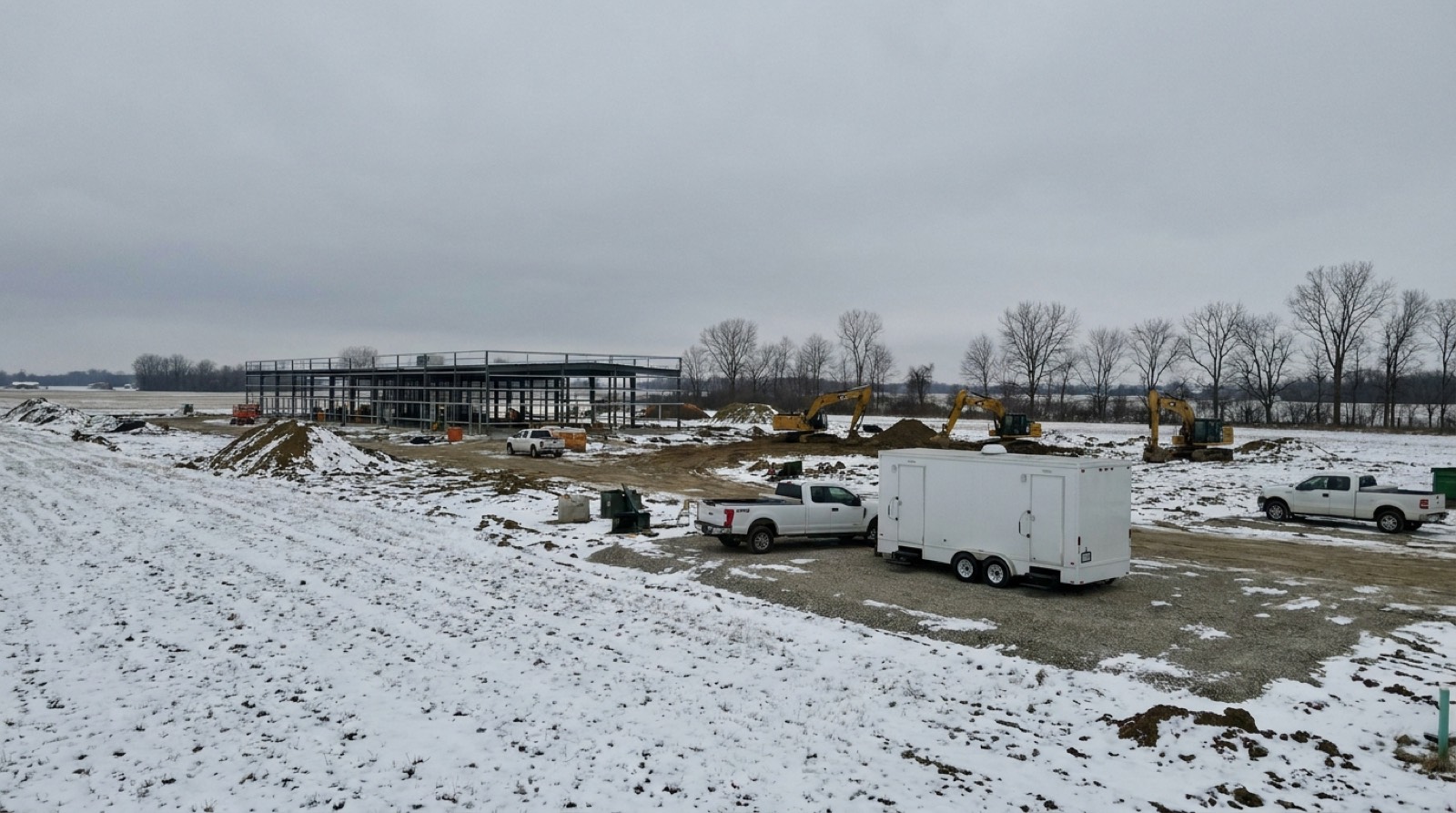
Columbus and New Albany. Freeze protection and winter service access matter here in a way Sun Belt corridors never see.
View Ohio →The Wasatch Front corridor runs through hard winters at elevation. Units are winterized and service intervals hold through snow.
View Utah →Go deeper
Longer reads for teams writing the site plan. Open what applies to your build.
Summer humidity along the Wasatch Front often sits far below what Gulf Coast states would call a dry day. For refrigeration, that matters more than most people realize. A big share of the work a cooling unit does in humid climates is wringing water out of the air, a latent load that never shows up on the thermometer. In Utah's dry air, that load nearly disappears. The unit spends its effort on actual temperature, pulls down faster after door openings, and ices its evaporator coil far less. Fewer defrost cycles means steadier setpoint. The same trailer simply performs better here than it would doing identical duty in Atlanta.
The practical wins are recovery speed and consistency. Lunch rush door traffic that would cost a humid climate box a long recovery gets absorbed with less drama here. Frost on product is lighter, and cardboard stays dry, which keeps stock cleaner and stacking safer. What dry air does not do is cancel heat. Salt Lake and Utah Valley summers still push into the high 90s and past 100, and a trailer parked in full sun near Point of the Mountain works hard through every afternoon. Shade and condenser clearance still matter, and door discipline is still the cheapest capacity on the site. Dry air narrows the margin of error. It does not remove it.
Dry air pulls moisture from everything, including food. Uncovered produce wilts and cut fruit skins over faster in a dry cold box than a humid one. Keep product covered or wrapped and it holds quality noticeably longer. Fine dust is the other desert note. Wasatch Front sites kick up dust that finds condenser coils, so coil checks belong on the service schedule even though the climate is otherwise gentle on equipment. We run our fleet from this region and see the comparison directly. The same units that grind through humid deployments elsewhere cruise here and hold tighter numbers with fewer service calls. For a site manager, that reliability is the point. The dry air is doing part of the maintenance program's job for free, and a well placed trailer in Utah is about as close to set and forget as jobsite cold storage gets. It still gets a daily log, because trust is not a food safety program.
Data center construction along the Wasatch Front sits at elevations above four thousand feet, and winter there means real cold. Salt Lake Valley sites see extended stretches below freezing, inversion locked cold snaps included, and sites climbing toward the benches run colder still. For a refrigerated trailer holding food at 36 to 38 degrees, the winter air is often colder than the box, sometimes by 30 degrees. Without intervention the trailer becomes a freezer whether anyone wanted one or not, and a hard freeze wrecks eggs, dairy, produce, and canned drinks as thoroughly as any heat event.
The core answer is a unit with an automatic heat cycle that holds setpoint from below as well as above. On any placement running past October, we treat that as standard rather than optional. Setup details carry the rest. Park the trailer where the north wind does not drive straight at the door, since wind strips heat from the box and makes every opening costlier. Keep the power supply winter reliable, because a tripped circuit on a 5 degree night takes the heat cycle down exactly when it is earning its keep. And check door gaskets as the cold arrives. Stiff gaskets seal poorly, and a slow leak of subfreezing air will walk the box downward overnight while the log shows nothing until morning.
Wasatch winters add practical chores. Snow needs clearing from the condenser end and the door apron after every storm, and roof loads on adjacent structures should not shed onto the unit. Inversion periods bring days of continuous subfreezing air, so the heat cycle may run steadily for a week. That is normal, and worth knowing in advance so nobody panics at the runtime. Through all of it, the daily temperature log stays the backbone. Winter failures are quiet, and a reading trending down across two mornings is the early warning that saves the stock. Our home yard sits in this region, which means winter service response is measured in hours rather than days, and our equipment is specced for the climate we live in. Sites here should still ask any provider the direct questions. Does this unit heat, and has it wintered at elevation before. The answers sort the fleet quickly.
A catering manager on a Utah County data center site notices the fridge trailer reading 48 at the morning check. Every hour that follows is a food safety decision. This is the moment when the distance between the site and the rental provider's yard stops being an abstraction. A service truck two hours away means product moved to backup storage or written off. A truck forty minutes away usually means the stock never leaves the box. When sites compare cold storage providers, they compare trailers and rates. The sharper question is where the service tech starts driving from when something goes wrong.
Data Center Site Facilities is headquartered on the Wasatch Front, in the middle of one of the country's core data center growth corridors. From the Salt Lake Valley down through Utah County and the Point of the Mountain corridor, the active sites all sit within a short drive of our home yard. That geography shows up in practical ways. Delivery windows measured in days, not weeks. A tech who can be on site the same morning a log reading looks wrong. None of that is marketing language. It is drive time, and drive time is the one spec a distant provider cannot fix with a better brochure.
Fast response is the headline, but the quieter benefits compound over a long build. Our equipment is specced for this climate, dry summer heat on one end and subfreezing inversion weeks on the other, because it lives here between rentals. We know the winter access realities of bench sites and the summer dust that loads condenser coils, and scheduled service accounts for both. When a program grows from one trailer to several as headcount climbs, adding capacity is a local dispatch rather than a freight negotiation. And when the job ends, pickup happens on the site's schedule instead of a carrier's backhaul plan. Utah's data center corridor is still early in its growth curve, and the sites being built now will be followed by more of them. Our yard is not near this market. It is in it, and for temperature sensitive storage, where hours matter, that is the difference we built the company around.