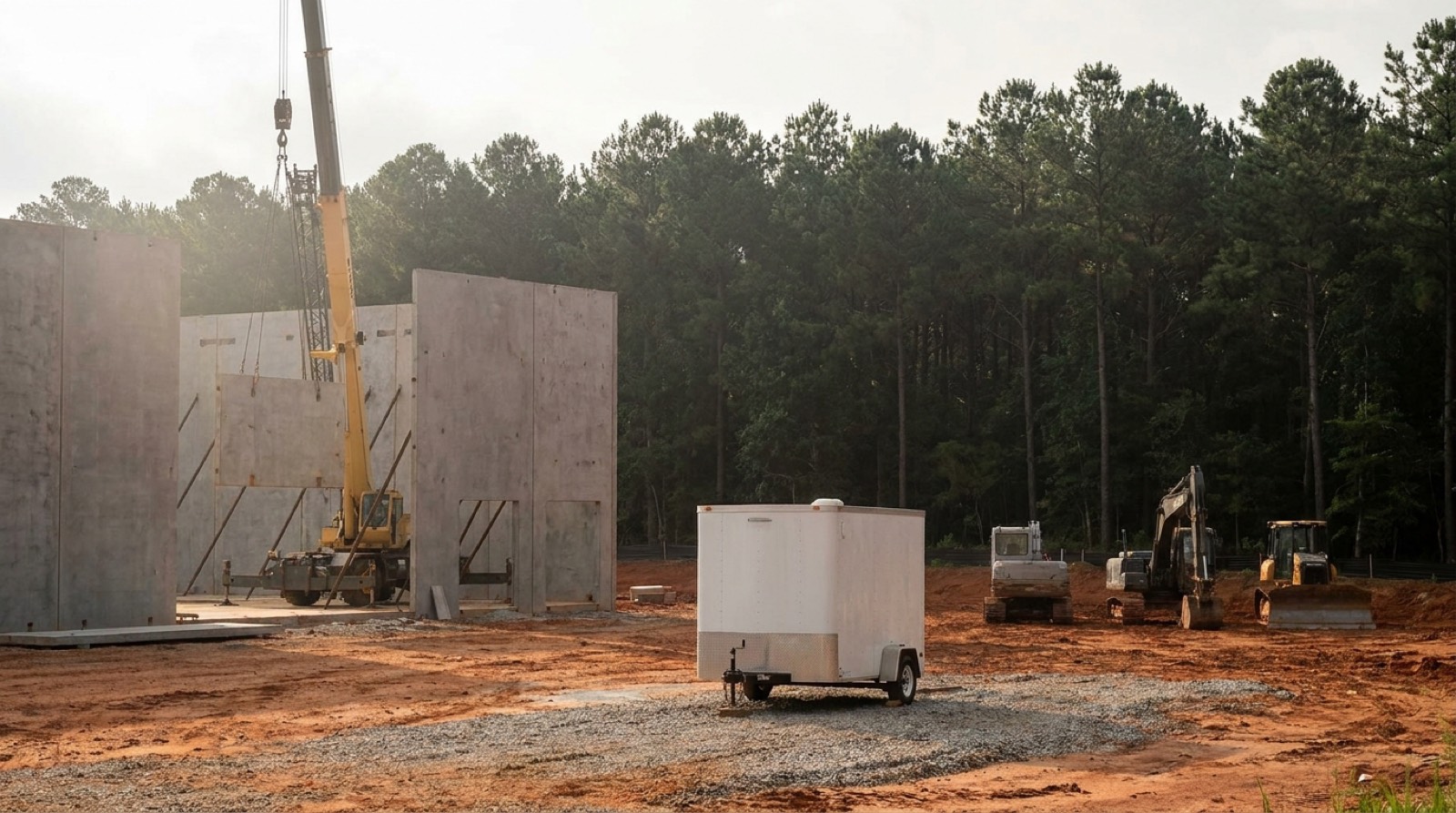
Georgia
Refrigeration trailer rentals for Georgia data center sites
Humidity-proof cold storage for I-20 corridor catering, where Southern heat and moisture stress every link in the food chain.
Humidity-proof cold storage for I-20 corridor catering, where Southern heat and moisture stress every link in the food chain.
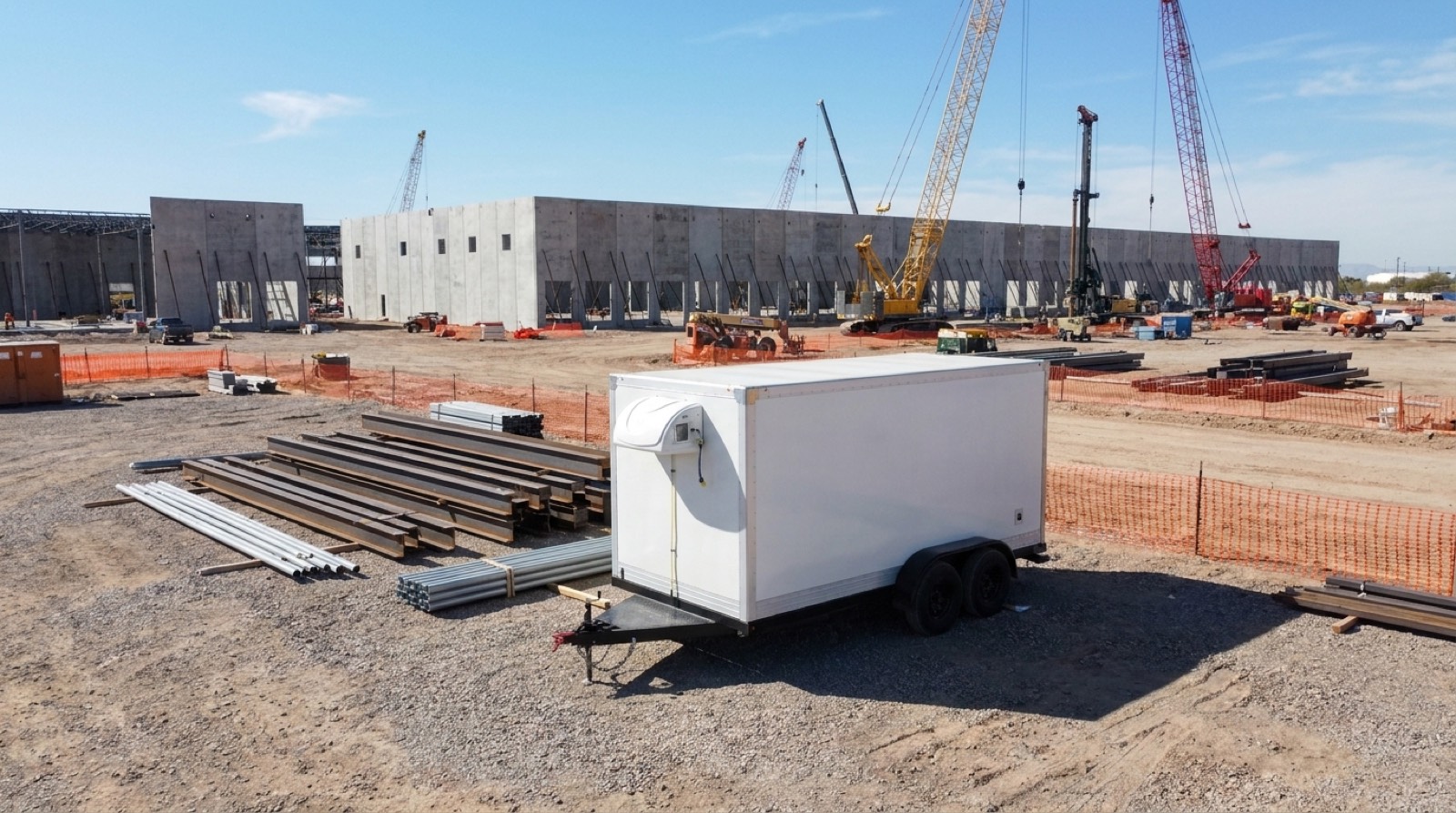
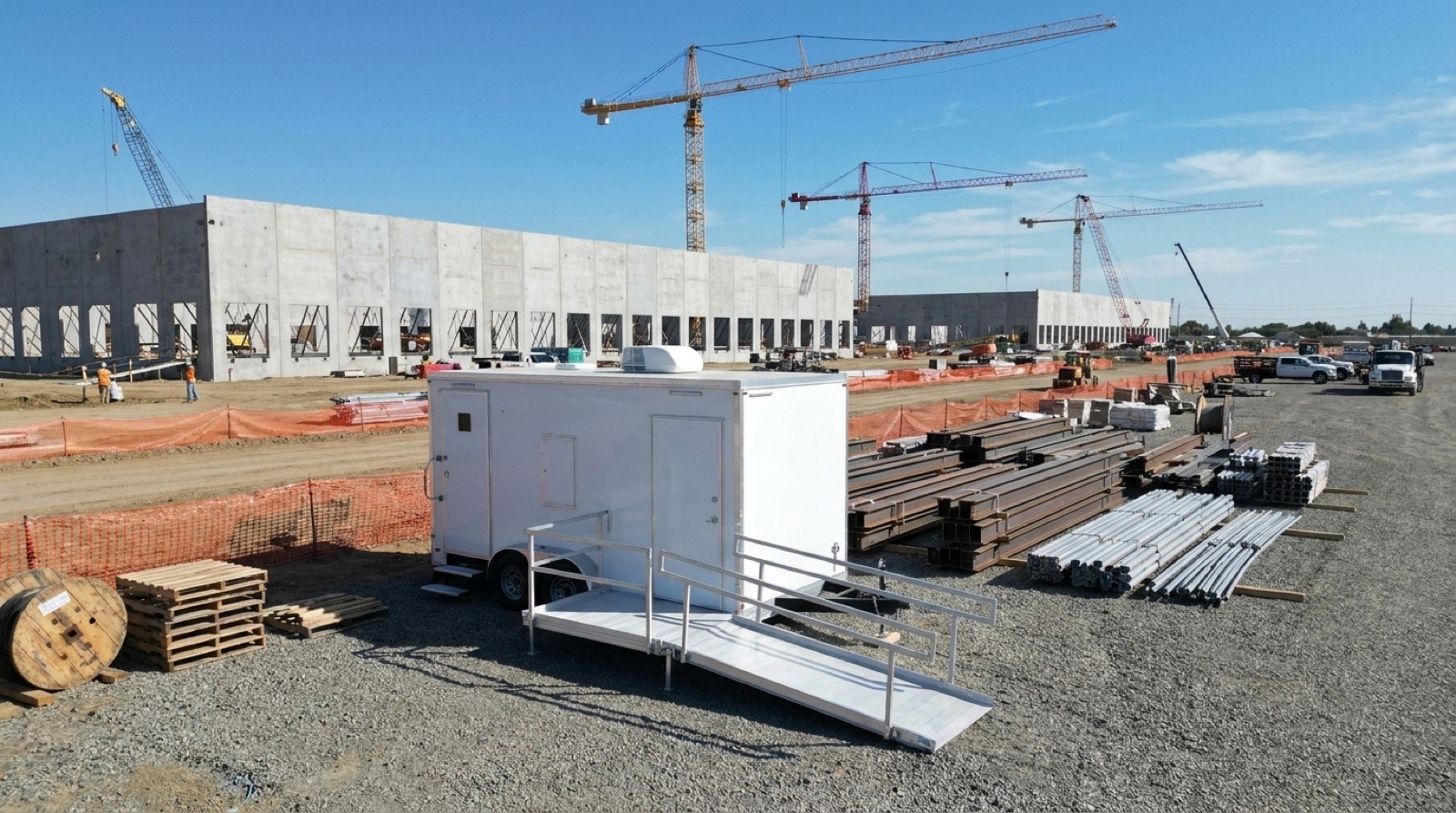
Georgia pairs heat with humidity that accelerates spoilage the moment anything leaves refrigeration. Catering programs on I-20 campuses keep the cold chain short: refrigerated storage at the serving point, opened briefly, closed fast. Our units are specified for humid ambient, where condensation management matters as much as setpoint.
Summer outages ride along with summer storms. Units run on site power with generator fallback specified where the food program cannot tolerate an afternoon of drift.
Adhesives and sealants with temperature ceilings also dislike moisture. Conditioned storage covers both problems in one placement.
Most Georgia deployments bundle several units under one route. One contracted vendor, one dispatch, one escalation path, and a site plan that arrives already coordinated.
Extended-stay crews generate wash loads every week of the schedule. Laundry trailer rentals in Georgia keep that cycle on site instead of in a hotel sink.
Restroom capacity anchors the plan. Restroom trailer rentals in Georgia sit closest to the workface and set the service route that every other unit rides on.
Water is the first thing safety plans ask about. Hydration station rentals in Georgia run on the same supply logistics as the rest of the package, so adding them costs one stop, not a second vendor.
Where crews rotate in from out of the area, the end of shift is its own rush hour. Shower trailer rentals in Georgia carry that peak so the workforce goes home clean.
The paperwork side of the job needs a roof too. Office trailer rentals in Georgia give supervision and inspections a place to meet without leaving the gate.
The full reach of our refrigeration trailer rentals program runs beyond Georgia, covering every corridor we serve.
Questions we get
Condensation and door-opening losses rise, so units are specified for humid ambient and placements minimize open-door time at the serving point.
Generator fallback is specified where the food program cannot ride out an outage, keeping the cold chain intact through the afternoon.
Materials get their own conditioned space, separate from food, covering temperature and moisture in one placement.
Where we deploy
Heaviest concentration in the corridors carrying the most active data center construction, with nationwide mobilization beyond them.
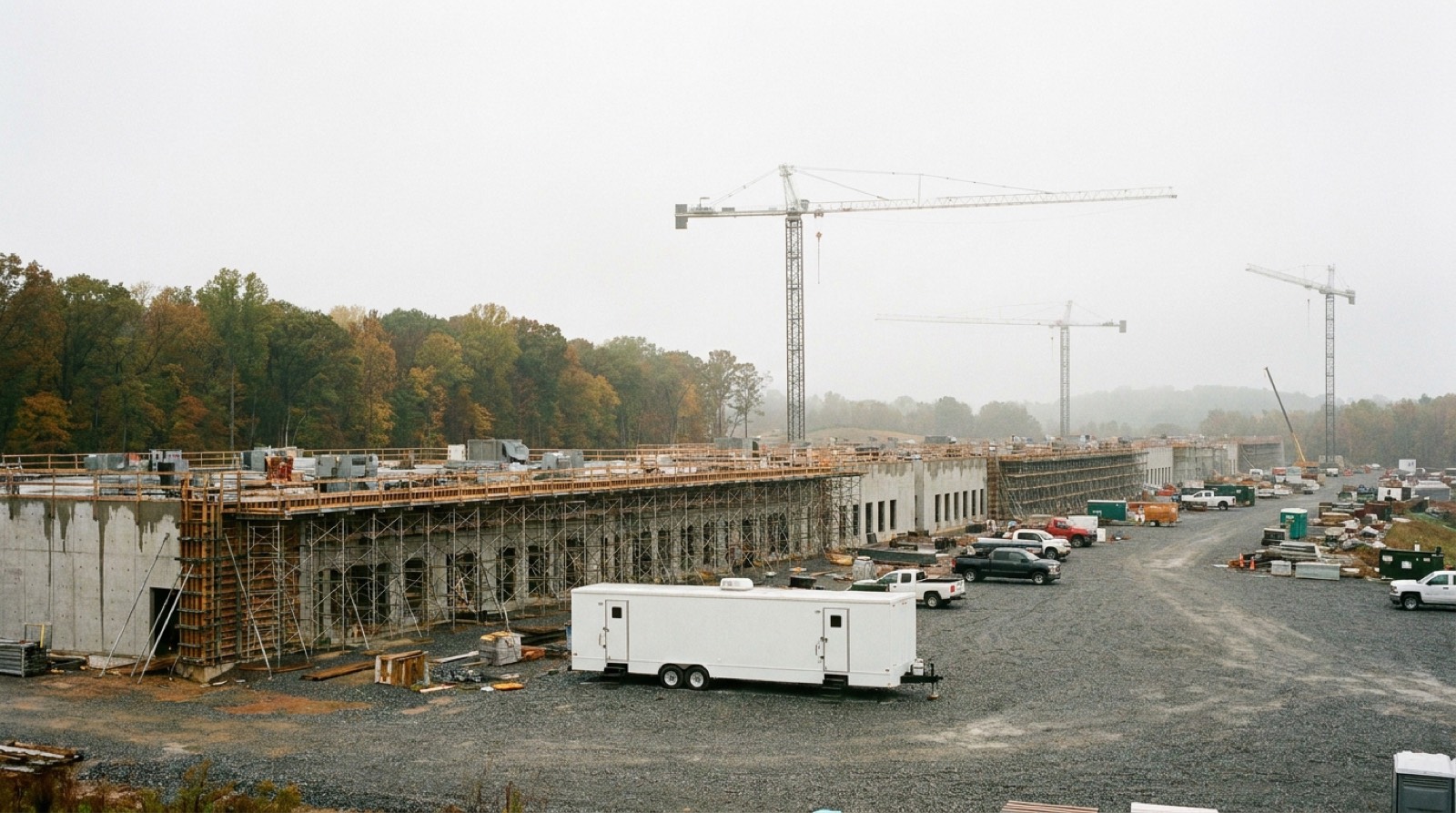
Loudoun County and Prince William run the densest data center concentration on earth. Multi-year campuses, badge-controlled access, crews in the hundreds, and facility requirements written into the subcontract.
View Northern Virginia →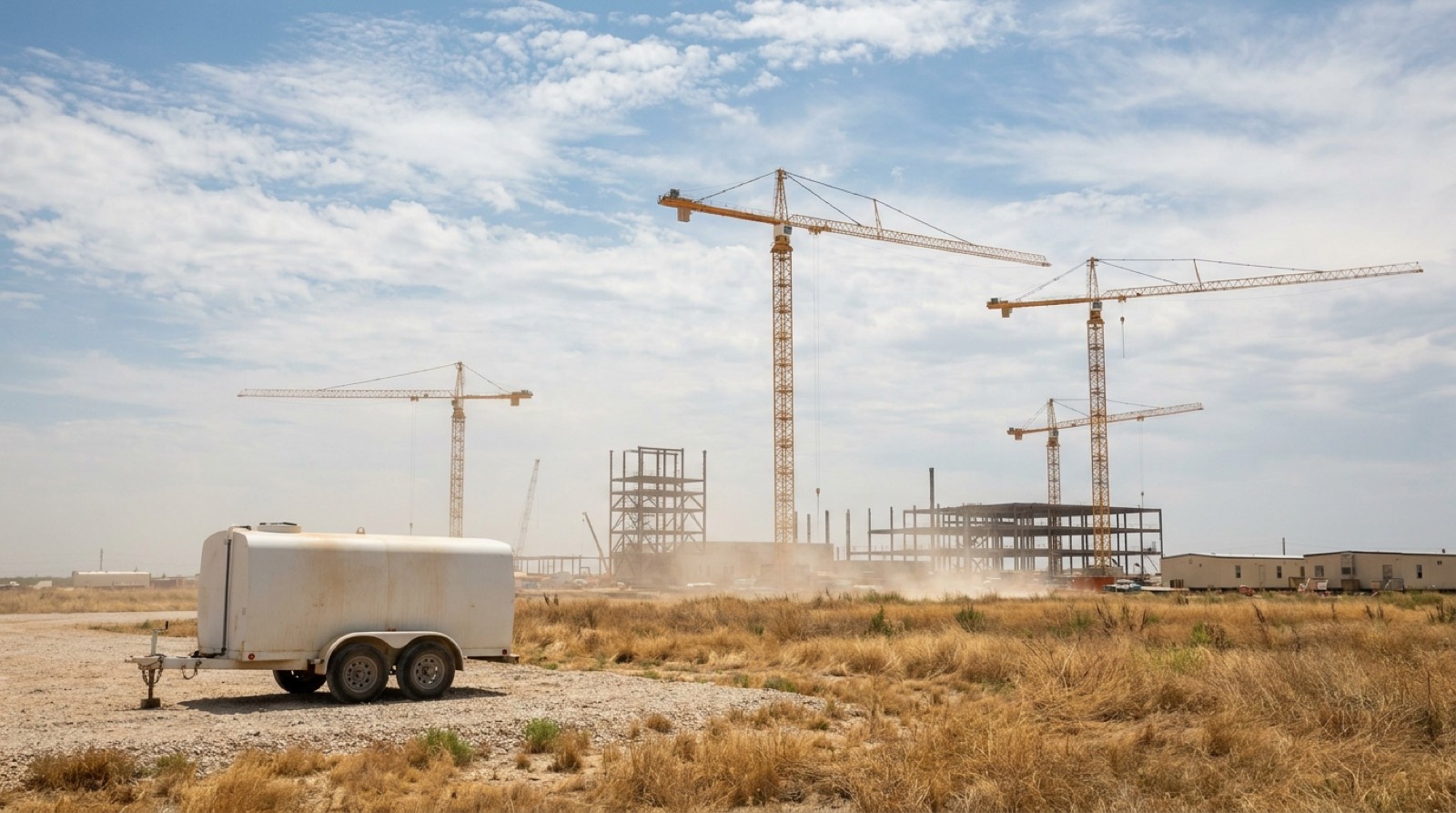
Dallas, Fort Worth, San Antonio and Abilene are carrying some of the largest campuses in the country. Summer heat makes hydration and shower capacity a safety line item, not an amenity.
View Texas →Atlanta metro and Douglas County, extending along I-20. Humid summers, long hauls between laydown and pad, and multi-phase schedules that keep facilities on site for years.
View Georgia →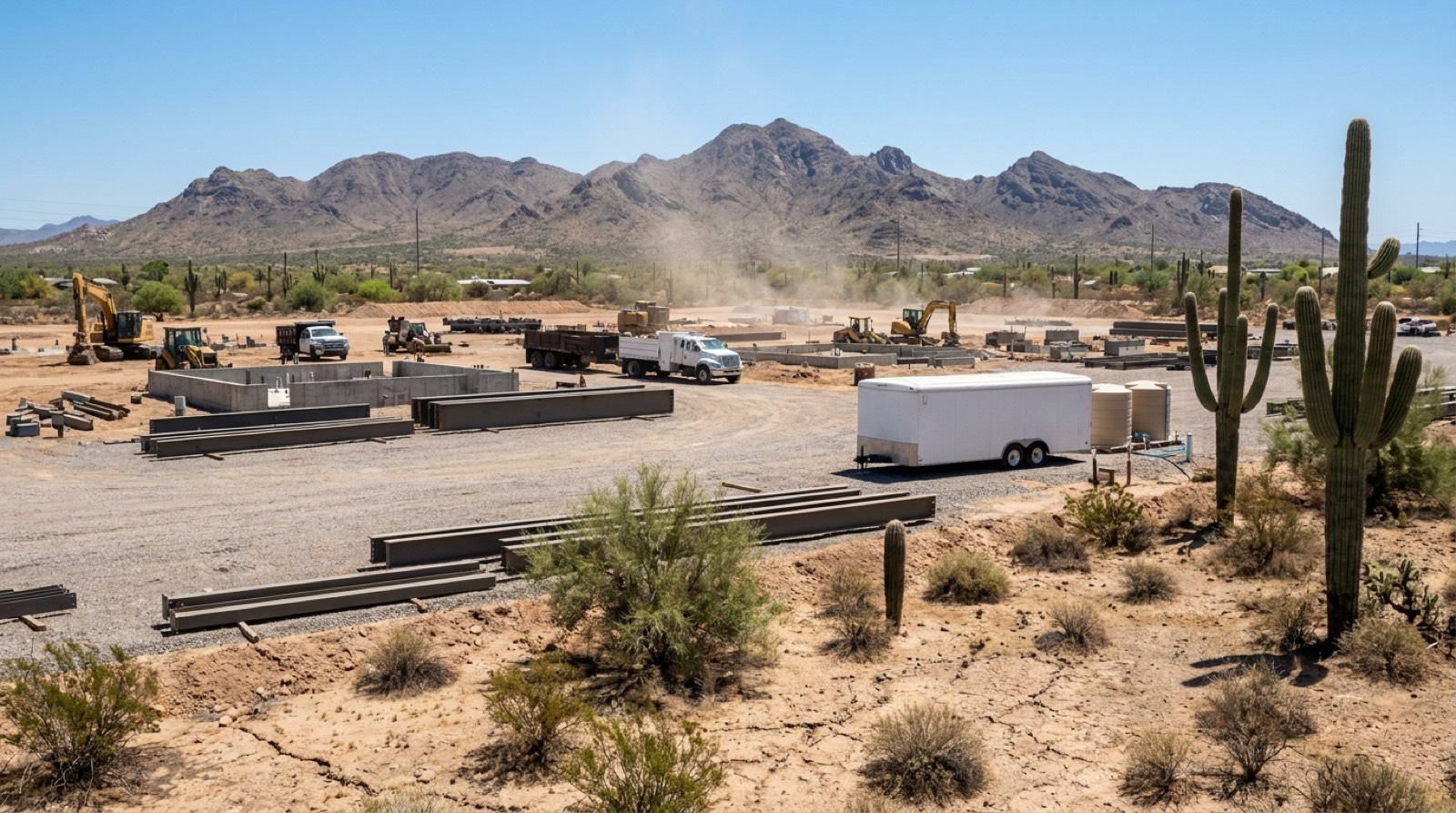
Phoenix and Mesa build through heat that regularly exceeds 110 degrees. OSHA heat-illness prevention drives water and shade requirements that our units satisfy directly.
View Arizona →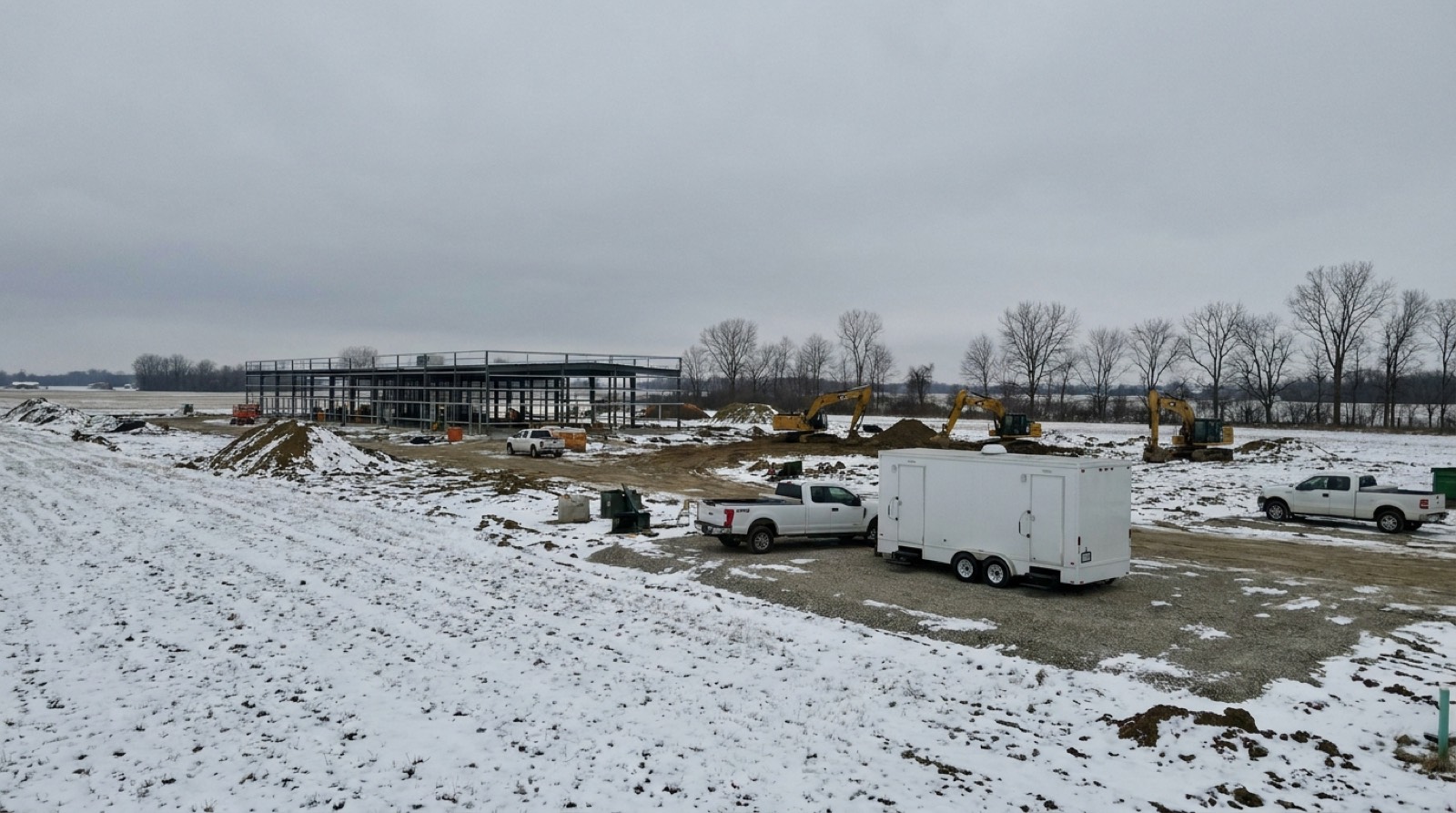
Columbus and New Albany. Freeze protection and winter service access matter here in a way Sun Belt corridors never see.
View Ohio →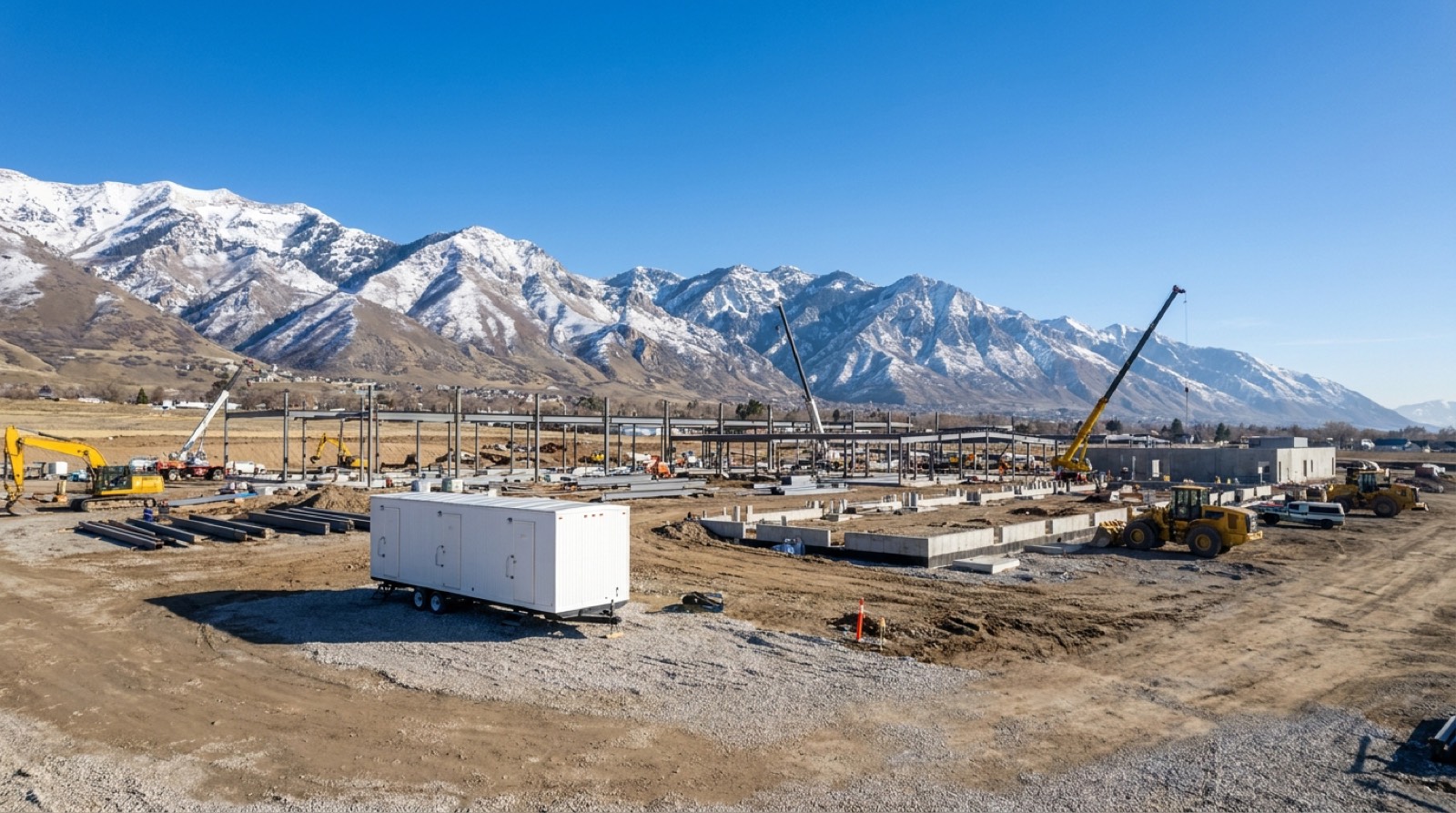
The Wasatch Front corridor runs through hard winters at elevation. Units are winterized and service intervals hold through snow.
View Utah →Go deeper
Longer reads for teams writing the site plan. Open what applies to your build.
Atlanta area summers run dew points that make the air feel like a wet towel, and food spoilage runs on that moisture. Bacteria and mold both grow faster in humid conditions, and produce sitting in muggy air breaks down visibly within hours. The temperature danger zone rules still apply, but Georgia adds a multiplier on top of them. Product that would survive a 30 minute staging lapse in a dry climate shows slime and off smells on the same timeline here. Sites in the metro Atlanta data center corridor deal with this from May deep into October, which is to say most of a build season.
When a refrigerated trailer door opens in humid air, moisture rides in and condenses on every cold surface, including the food. That water does two bad things. It feeds microbial growth on product surfaces, and it forces the unit into more frequent defrost cycles as the evaporator coil ices up. More defrost means more time the box spends drifting up from setpoint. The operational answer is the same door discipline that matters everywhere, applied more strictly. Batch your pulls. Keep a staging list on the door so nobody stands in the opening deciding what to grab. Strip curtains at the doorway earn their keep in Georgia more than almost anywhere we operate.
Because it is. Open cases breathe humid air even inside the box, so keep product covered or lidded. Get delivered cardboard that rode in a wet truck broken down and out of the trailer fast. Damp cardboard is a mold farm, and it holds moisture against whatever it touches. Rotate stock hard. First in, first out is standard practice anywhere, but the penalty for a buried case in Georgia is measured in days, not weeks. Check produce daily and cull early, because one moldy case seeds its neighbors. None of this is complicated. It is a handful of habits that respect what the air outside the box is doing. The crews that build those habits in June are the ones not throwing out coolers of product in August. Their trailer runs better too, because a dry, organized box holds setpoint with less work than a wet, crowded one ever will.
Park a 38 degree box in Georgia summer air and physics does the rest. Warm humid air touching cold surfaces gives up its moisture as condensate. It shows up as sweat on the outside walls, drips at the door frame, water pooling under the unit from defrost cycles, and slick spots on the floor inside. None of that means the trailer is malfunctioning. It means the trailer is in Georgia. The management question is where the water goes and who might slip on it.
Set the trailer on compacted, slightly crowned ground so defrost water and exterior condensate drain away from the door side and the walking path. A trailer parked in a low spot builds a permanent puddle exactly where the catering crew stands fifty times a day, and in Georgia clay that puddle does not soak in. It stays. Check where the unit's defrost drain discharges and make sure it is not running across a walkway. A short splash block or a gravel bed under the drain point solves it for the length of the rental. These are five minute decisions on delivery day, and daily annoyances forever after if they get skipped.
Interior condensation and tracked in rain make trailer floors slick, and a catering worker carrying a full sheet pan cannot see their feet. Put down anti slip mats at the entry and along the main aisle. Wipe standing water during the daily temperature check so it becomes routine rather than a special task. Watch the door gaskets too. A gasket that seals poorly lets humid air leak in continuously, which means constant condensation and heavier icing on the coil. The unit ends up running harder than it should all season. If you see persistent frost patterns or a wet stripe along one door edge, call your rental provider for a gasket check instead of living with it. Storm season adds one more note. After a heavy blow, walk the trailer, confirm the condenser is clear of leaves and debris, and glance at the drain path again. Georgia thunderstorms rearrange sites, and the water management that worked in June may need a second look in August. Ten minutes after each storm keeps the box dry and the crew upright.
Georgia's build season overlaps its storm season. Afternoon thunderstorms knock out temporary power on construction sites all summer, and the tail ends of tropical systems can take feeders down for longer stretches. Metro Atlanta's data center corridor sits squarely in this weather, and the outlying counties building new capacity get the same storms on older rural feeders. A refrigerated trailer holding a week of food, or a freezer trailer full of product at 0 degrees, turns a routine outage into a countdown. The sites that handle it well decided what to do before the sky went dark.
A closed, well loaded refrigerated trailer will hold safe temperature for a number of hours on thermal mass alone. A full freezer holds longer than a fridge, because frozen product stores far more cold. The single biggest factor under your control is the door. Every opening during an outage spends hold time you cannot get back. So the first rule of the outage plan is simple and cheap. When power drops, the trailer doors stay shut, and someone tapes a sign on them saying so. The second rule is a thermometer you can read without opening the door, so you watch the box instead of guessing. If the fridge climbs past 40 for long, you are into the food safety judgment calls that health codes cover, and a log of times and temperatures is what lets you make those calls on facts.
Most data center sites have generator capacity somewhere on the ground. The plan is knowing which one carries the trailer and how the connection happens. Confirm the trailer's plug type and circuit needs with your rental provider. Stage the right cable at the trailer and name the person who makes the hookup. That is the whole plan, and it fits on one laminated page. Test it once on a calm day. Sites that do this restore cooling in under an hour and the food program never notices. Sites that improvise spend that hour finding a cable. For longer regional outages after a named storm, ask your provider about swapping in a diesel powered unit that carries its own fuel tank and runs independent of site power entirely. Those units exist for exactly this week of the year, and reserving one ahead of a forecast beats calling for one behind it.