Georgia
Hydration station rentals for Georgia data center sites
Chilled water for Atlanta metro and I-20 corridor builds, where Southern humidity turns 92 degrees into a triple-digit heat index by ten in the morning.
Chilled water for Atlanta metro and I-20 corridor builds, where Southern humidity turns 92 degrees into a triple-digit heat index by ten in the morning.
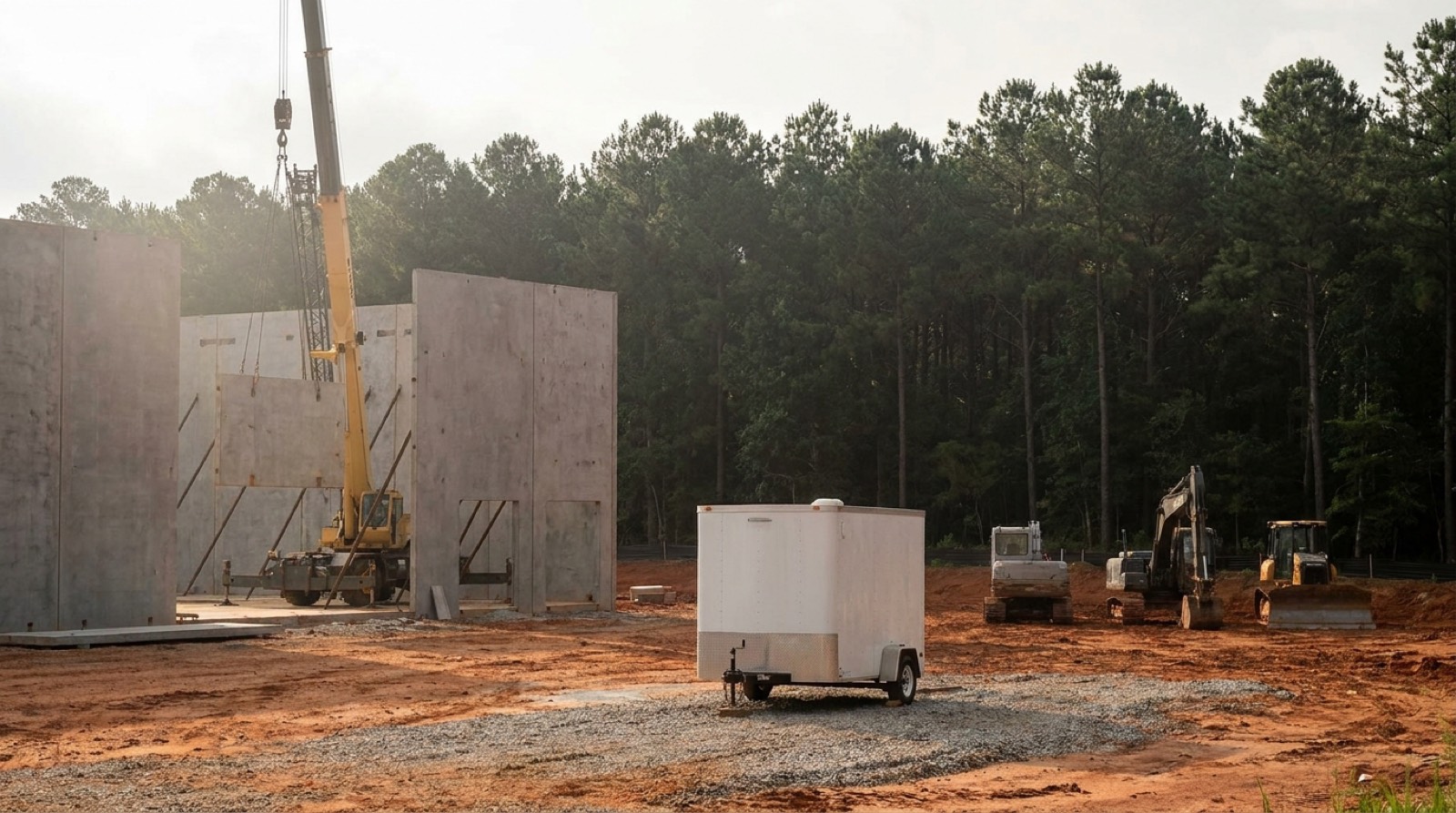
Georgia pairs low-90s temperatures with humidity that pushes the heat index well past 100 for most of the summer working day. Crews feel it before the thermometer shows it, and productivity falls with hydration. Stations here run chilled, shaded and close to the work, with refill intervals set to Southeast conditions rather than a national average.
Summer afternoons bring thunderstorms that compress the working day: crews push hard in the morning window, break for lightning, and return to saturated humidity. Water consumption concentrates into those morning pushes, so we weight capacity toward the front of the day and keep stations positioned where a fast-moving crew actually passes.
I-20 corridor campuses run large, with laydown and pad separated by real distance. Stations are distributed along haul routes and work faces so that reaching water never means leaving the work area for ten minutes, which is the point at which crews stop bothering.
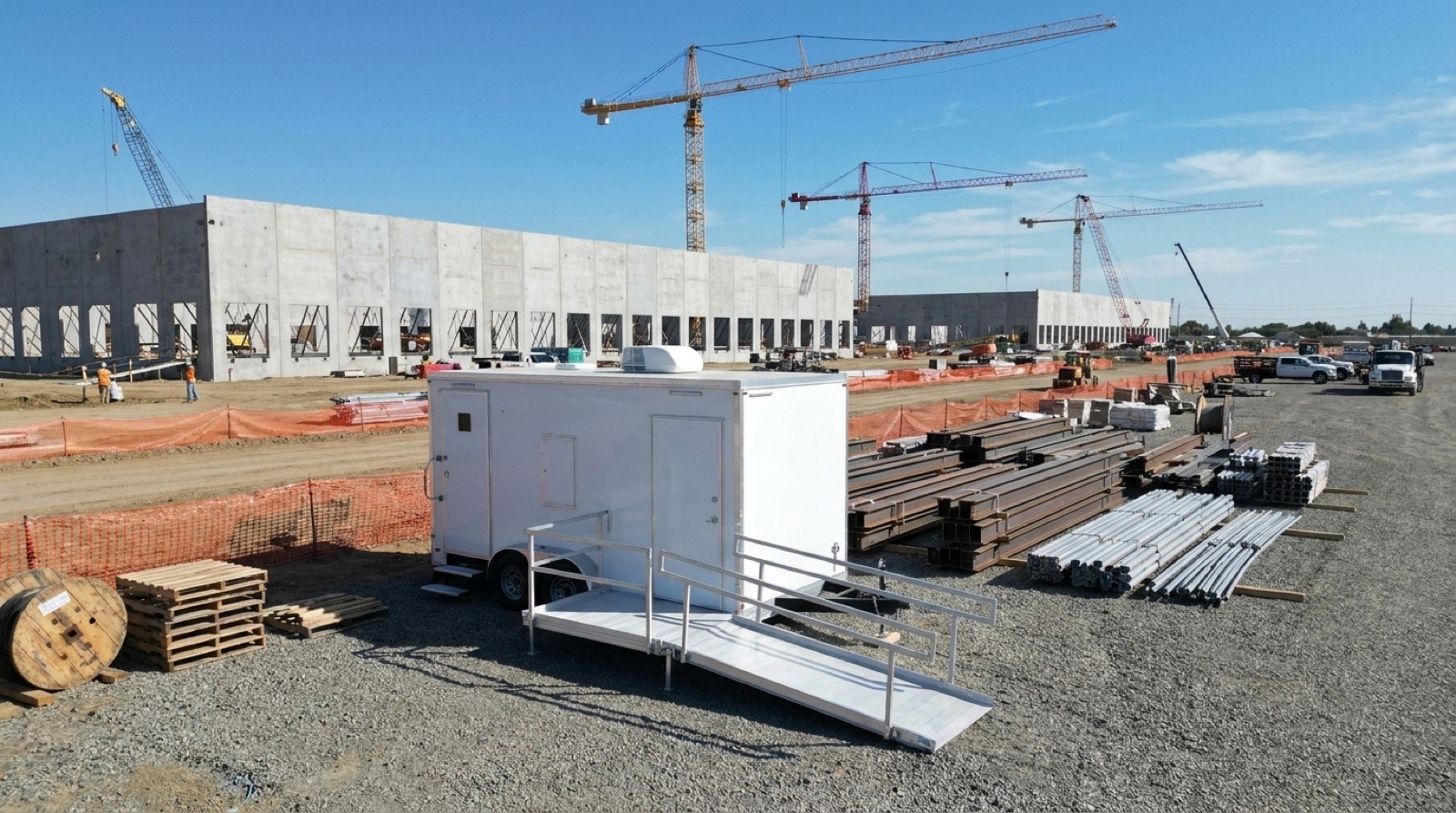
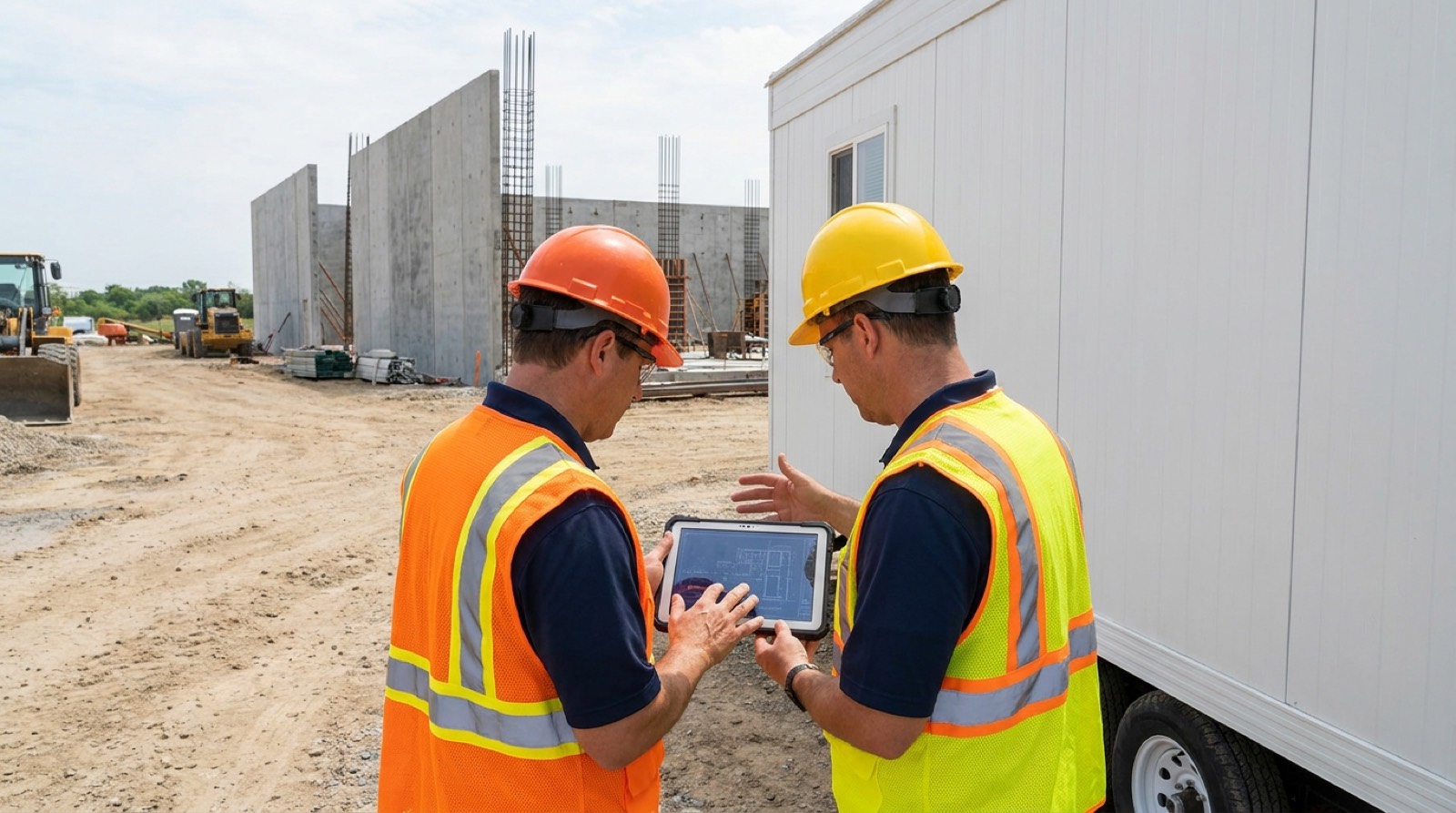
Most Georgia deployments bundle several units under one route. One contracted vendor, one dispatch, one escalation path, and a site plan that arrives already coordinated.
Food service and ice programs live or die on cold storage at the pad. Refrigeration trailer rentals in Georgia hold setpoint through the local season.
Restroom capacity anchors the plan. Restroom trailer rentals in Georgia sit closest to the workface and set the service route that every other unit rides on.
Where crews rotate in from out of the area, the end of shift is its own rush hour. Shower trailer rentals in Georgia carry that peak so the workforce goes home clean.
The paperwork side of the job needs a roof too. Office trailer rentals in Georgia give supervision and inspections a place to meet without leaving the gate.
Extended-stay crews generate wash loads every week of the schedule. Laundry trailer rentals in Georgia keep that cycle on site instead of in a hotel sink.
The full reach of our hydration station rentals program runs beyond Georgia, covering every corridor we serve.
Where we deploy
Heaviest concentration in the corridors carrying the most active data center construction, with nationwide mobilization beyond them.
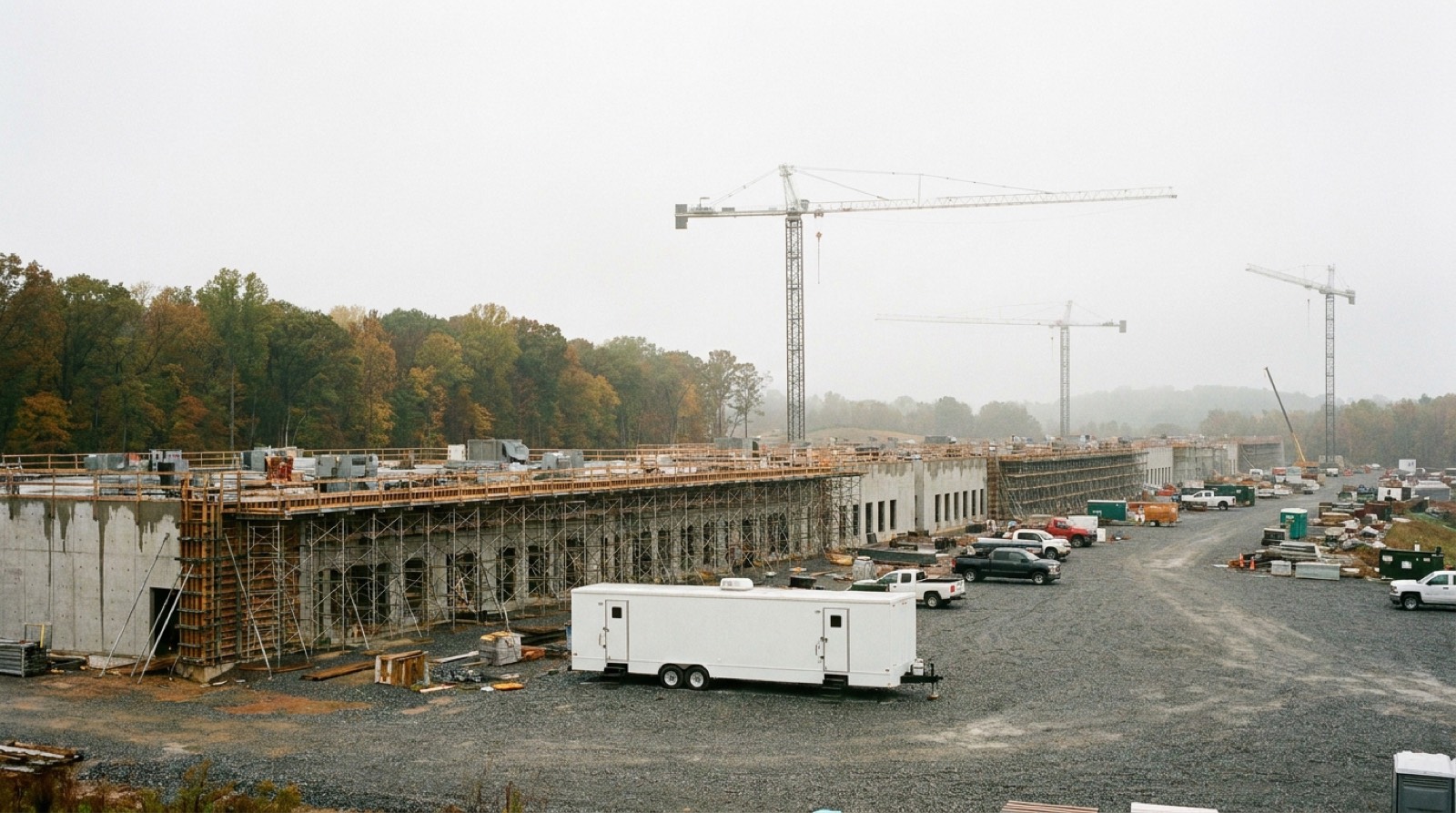
Loudoun County and Prince William run the densest data center concentration on earth. Multi-year campuses, badge-controlled access, crews in the hundreds, and facility requirements written into the subcontract.
View Northern Virginia →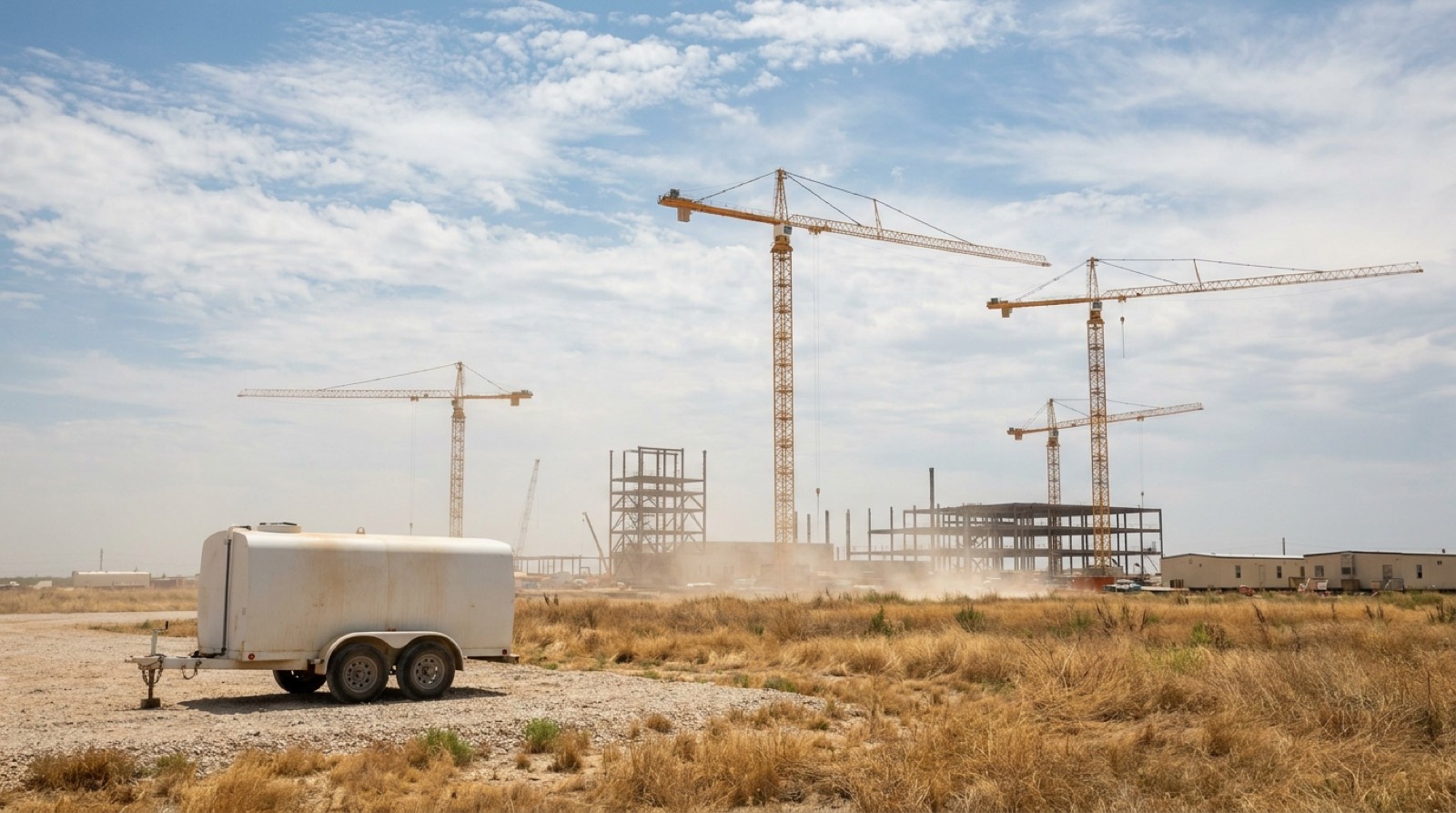
Dallas, Fort Worth, San Antonio and Abilene are carrying some of the largest campuses in the country. Summer heat makes hydration and shower capacity a safety line item, not an amenity.
View Texas →Atlanta metro and Douglas County, extending along I-20. Humid summers, long hauls between laydown and pad, and multi-phase schedules that keep facilities on site for years.
View Georgia →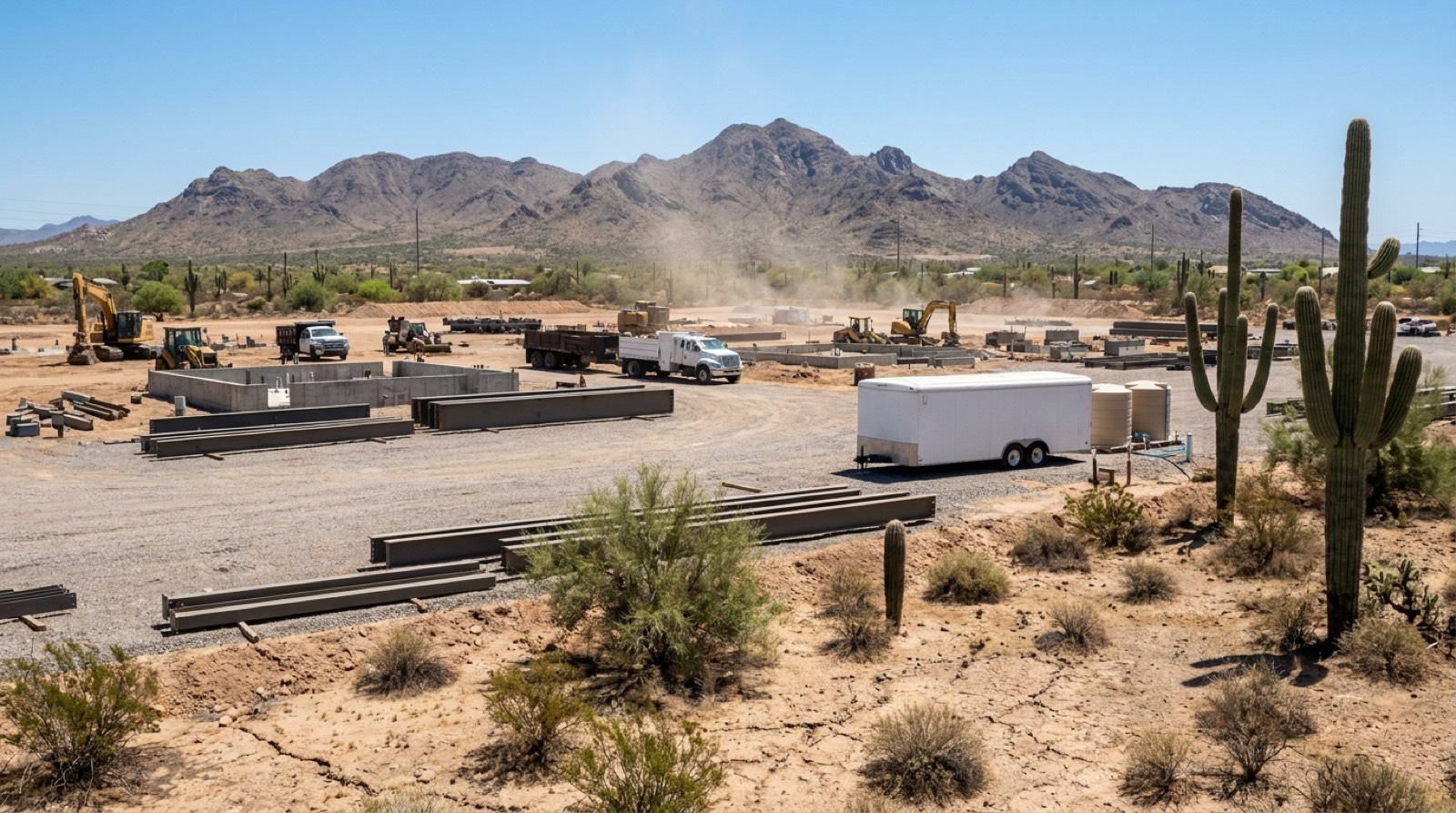
Phoenix and Mesa build through heat that regularly exceeds 110 degrees. OSHA heat-illness prevention drives water and shade requirements that our units satisfy directly.
View Arizona →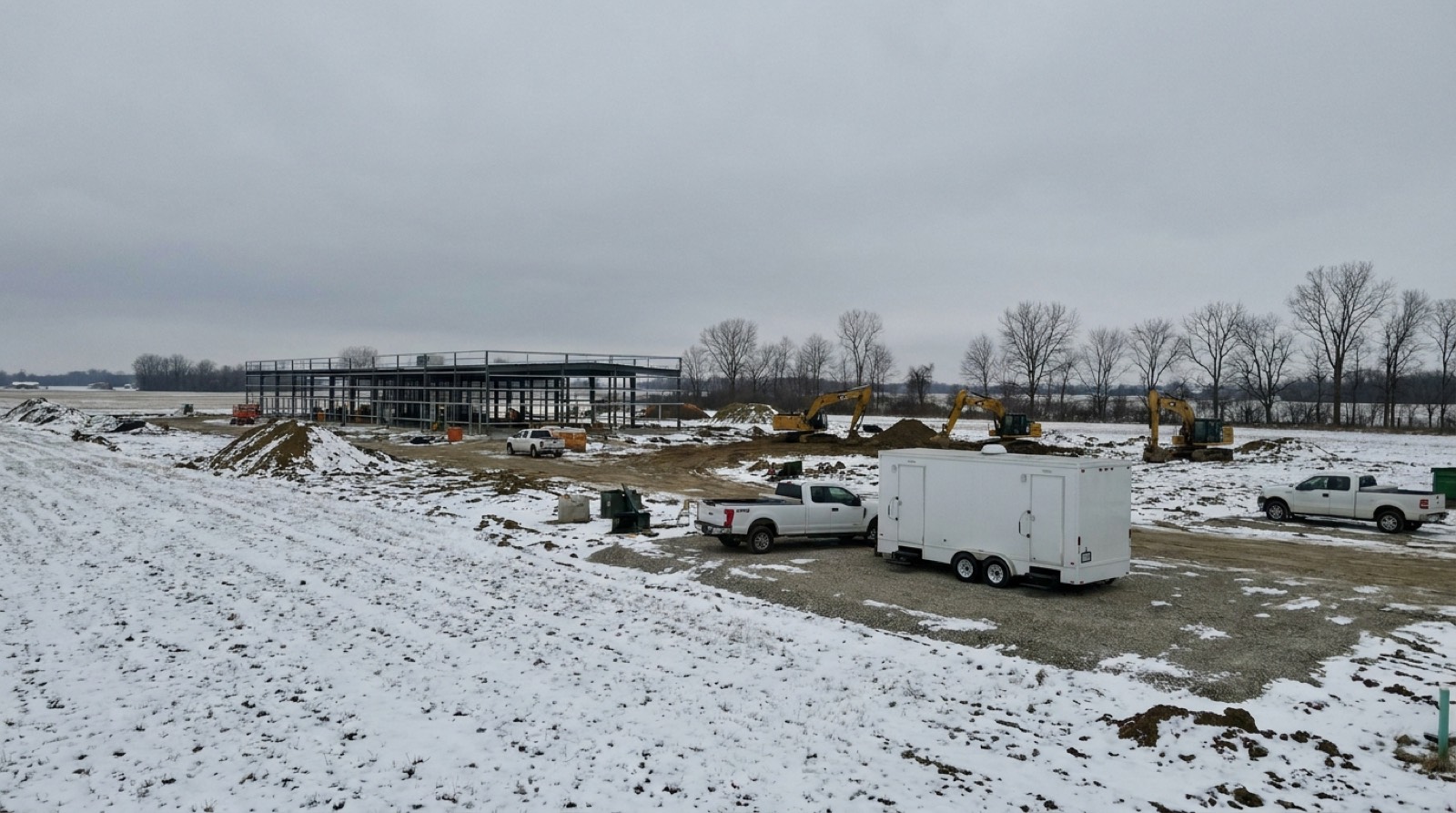
Columbus and New Albany. Freeze protection and winter service access matter here in a way Sun Belt corridors never see.
View Ohio →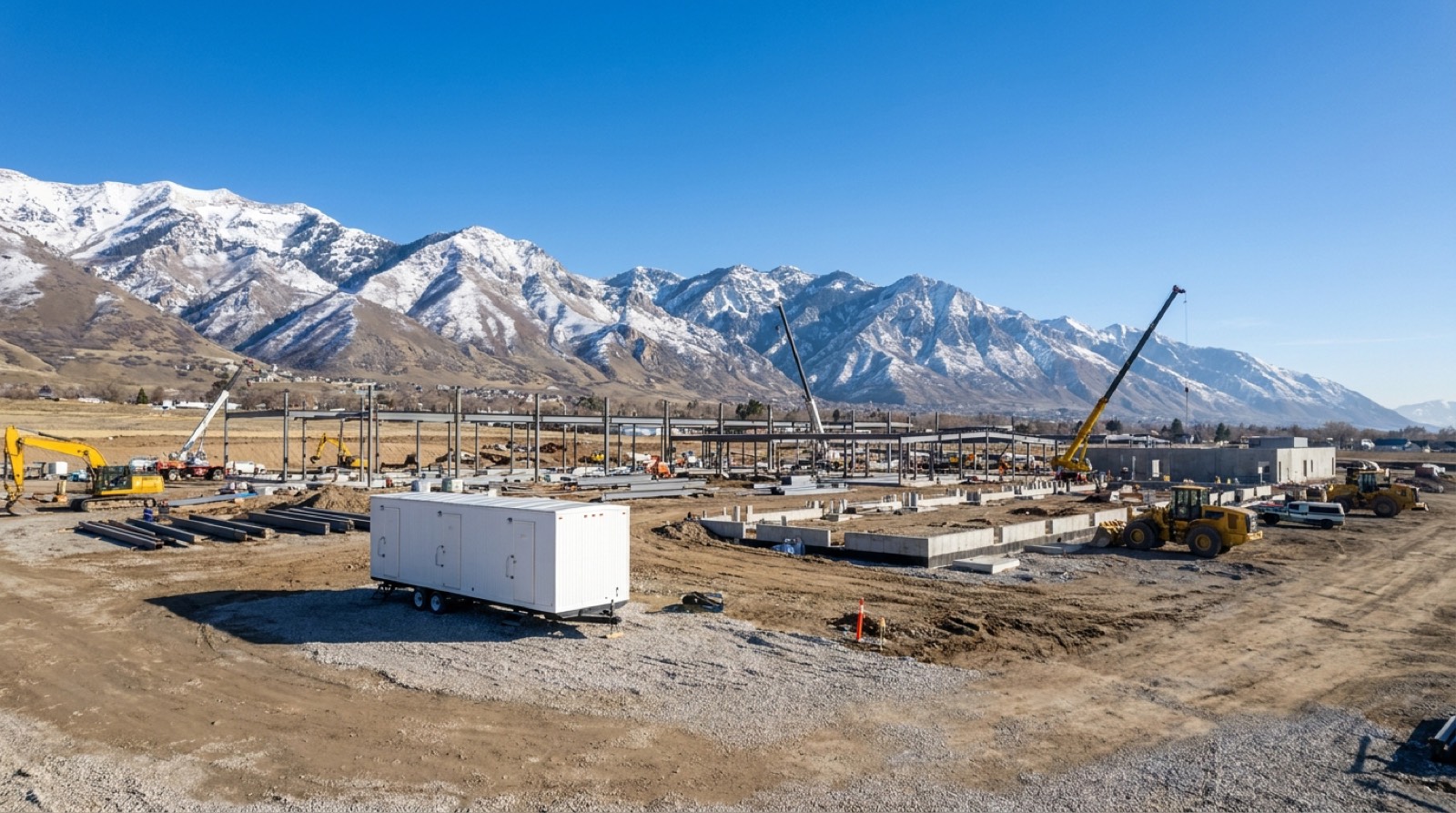
The Wasatch Front corridor runs through hard winters at elevation. Units are winterized and service intervals hold through snow.
View Utah →Questions we get
Because heat index, not temperature, drives consumption. Georgia's humidity holds effective heat above 100 through most summer days, so intervals and station counts run closer to desert specs than the thermometer suggests.
Consumption concentrates into the morning work window, so capacity is weighted early and refills schedule around the site's storm-adjusted rhythm.
Yes. Multiple stations distribute along work faces and haul routes so water stays within a short walk of every crew.
Go deeper
Longer reads for teams writing the site plan. Open what applies to your build.
A 92-degree afternoon in Douglas County can put more heat stress on a crew than a 105-degree afternoon in the desert. That sounds backwards until you look at how the body sheds heat. Cooling depends on sweat evaporating off the skin. In dry desert air, evaporation is fast and efficient. In Georgia's summer humidity, with dew points parked in the 70s, the air is already so loaded with moisture that sweat barely evaporates at all. It soaks shirts and drips off hard hats, and almost none of it cools anybody.
Heat index exists to correct for this. It folds humidity into the temperature to estimate what the conditions actually do to a human body. On a humid Georgia day, 92 degrees can carry a heat index well above 100. Crews and supervisors who plan off the plain thermometer reading are working with the wrong number all summer.
The physiology has a cruel loop in it. When evaporation fails, the body responds by sweating harder, trying to force the cooling that is not happening. Fluid pours out with little cooling benefit. So a worker on a data center slab along the I-20 corridor is losing water at a ferocious rate while his core temperature keeps creeping up. He needs more water than the thermometer suggests, and he needs rest and shade sooner, because water alone cannot restore cooling that the air will not allow.
This is why we tell Georgia planners to set their water math off heat index bands rather than temperature. When the index crosses into the danger range, consumption planning should assume rates above the standard quart per hour, and refill schedules should tighten to match.
Georgia's other problem is duration. Serious heat index days start showing up in May and keep coming into late September. That is nearly five months of sustained heat stress, longer than crews or budgets usually plan for. Sites that staff up their water program in July and wind it down in August miss dangerous weeks on both ends. Our Georgia contracts run summer service levels from late spring well into fall, because the climate does not respect the calendar dates people carry in their heads.
The data center cluster along I-20 through Douglas County and the west side of metro Atlanta has a logistics quirk that has nothing to do with weather. Atlanta traffic. A refill truck that can reach a site in 35 minutes at 10 am might need triple that at 4:30 pm, and I-20 produces incidents that shut down entire directions without warning. If the crew's drinking water depends on a truck arriving inside a narrow window, metro Atlanta will eventually break that plan. Probably in August.
This is why we treat routing as part of hydration engineering in Georgia. Stations are not just placed. They are placed with a service route behind them that survives contact with Atlanta traffic patterns.
The first principle is scheduling refills against traffic windows, not just crew needs. Mid-morning and midday runs are dramatically more reliable than anything touching rush hour, so routes are built to complete before the afternoon degrades. The second principle is sequencing. Multiple sites along the corridor get served in a geographic chain, which cuts total road time and means a single truck problem does not strand the whole route. The third principle is capacity buffering, and it does the heaviest lifting. Each site carries enough station storage to ride out a delayed run comfortably. When a wreck closes I-20 westbound and pushes service by three hours, the crews never know, because the tanks were sized for exactly that day. Buffer is the cheapest insurance in the whole plan, and it is the piece thin quotes always cut first.
If your project sits in the corridor, put your water vendor's routing under the same scrutiny as any other supplier. Where does the water come from, and how long is the run when the interstate cooperates and when it does not. How much on-site buffer does the plan carry. What happens on a Friday afternoon in July when everything west of Fulton County is parked. A vendor with real corridor experience answers with specifics like time windows and reserve capacity. A vendor who says the truck will be there when you need it is describing a hope, and hope has a bad record on I-20. Press for the plan behind the promise before summer tests it for you.
Ask anyone who tracks construction heat illness where the cases cluster and the answer is consistent. New workers in their first days of heat exposure. The body genuinely adapts to working in heat, but the adaptation takes time. Over one to two weeks of gradual exposure, sweating starts earlier and runs more efficiently, the heart works less hard, and the body gets better at holding onto salt. A worker fresh to a Georgia summer has none of those adjustments yet. He is running unadapted physiology in some of the most punishing humidity in the country.
Data center projects make this worse than average, because they hire in surges. When interior fit-out ramps on a Douglas County or south metro campus, hundreds of workers can arrive within weeks, many from cooler regions or straight from indoor jobs. A hiring surge in June is, functionally, a heat risk surge.
The established practice for new workers is a graduated schedule that builds heat exposure over their first one to two weeks rather than assigning full duty on day one. Water access has to be front-loaded to match, and there is a physiological reason it matters extra during this window. Unacclimatized workers sweat less efficiently and lose more salt per hour of work than adapted workers doing the same task. Their hydration margin is thinner exactly when their bodies are under the most novel strain. Our practice when a Georgia site tells us a large onboarding wave is coming is to scale station capacity ahead of the wave, position extra units near the zones where new crews will concentrate, and make electrolyte options available from day one rather than waiting for the first cramping incident. The wave is visible weeks out on the manpower projection, so there is no excuse for the water plan to be surprised by it.
There is a culture piece here that placement quietly solves. New workers do not like drawing attention, and walking off task repeatedly to find water feels conspicuous in week one. When cold water sits close to every work zone, drinking enough stops being a decision anyone notices. The best acclimatization support on a jobsite is water so convenient that the newest person on the crew uses it constantly without thinking about it once.