Utah
Hydration station rentals for Utah data center sites
At elevation on the Wasatch Front, crews dehydrate without ever feeling sweaty. Dry air and altitude make hydration planning a physiology problem, not just a temperature one.
At elevation on the Wasatch Front, crews dehydrate without ever feeling sweaty. Dry air and altitude make hydration planning a physiology problem, not just a temperature one.
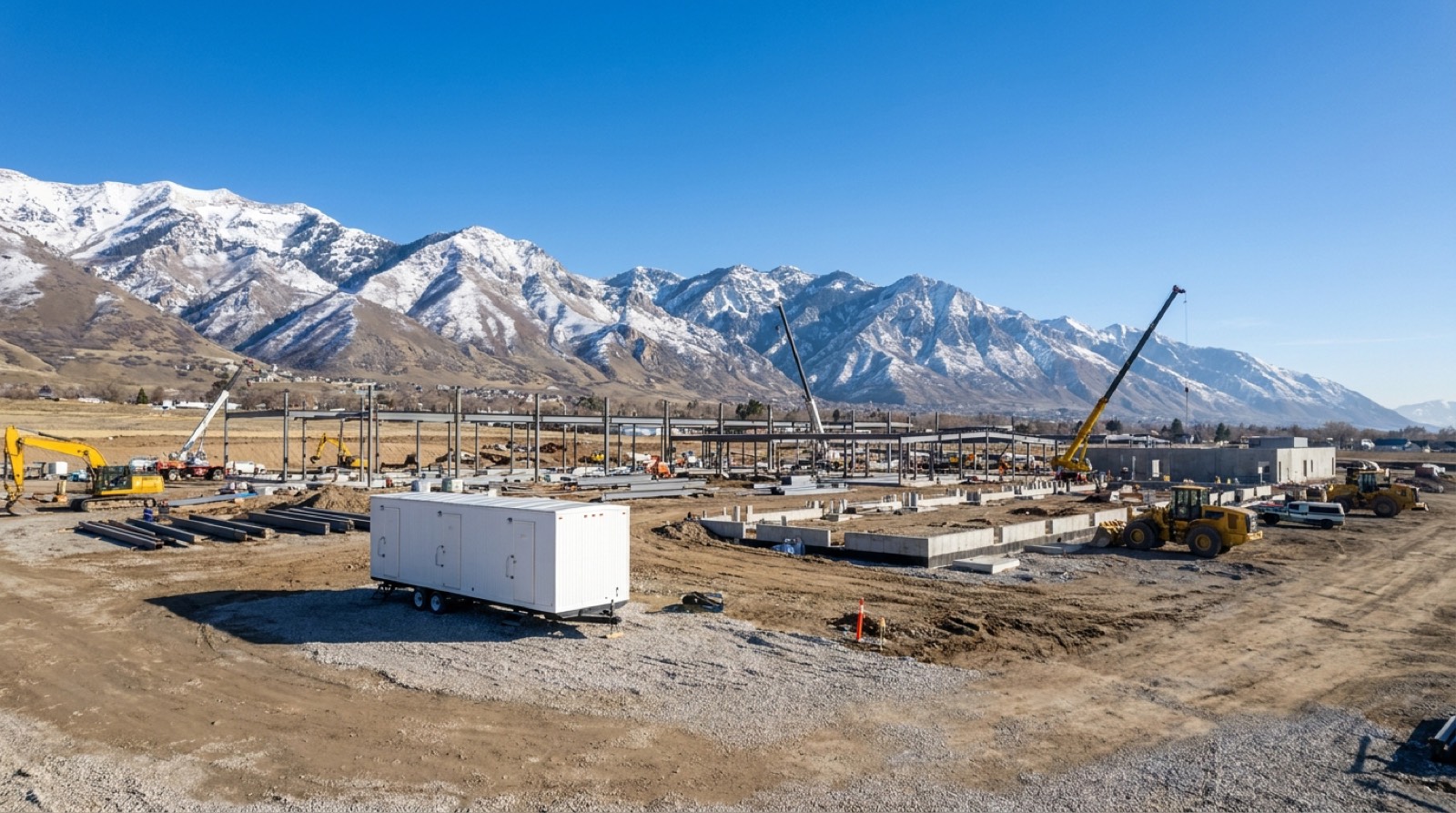
Wasatch Front sites sit above four thousand feet, where dry air evaporates sweat before workers feel it and altitude itself increases fluid loss through respiration. Crews from out of state routinely under-drink their first weeks because the usual cues are missing. Hydration planning here accounts for physiology the thermometer does not show: higher baseline consumption targets and water positioned so drinking happens by convenience rather than willpower.
Valley-floor summers run hot, dry and dusty, especially on the Eagle Mountain corridor's large graded sites. Fill points run shaded and shielded, sanitation cycles run tighter against grit, and consumption climbs with the dust as much as the heat.
We are headquartered on the Wasatch Front, which makes Utah deployments our shortest supply lines in the country. Same-day scale-ups and surge service on this corridor draw from the home yard rather than a mobilization plan.
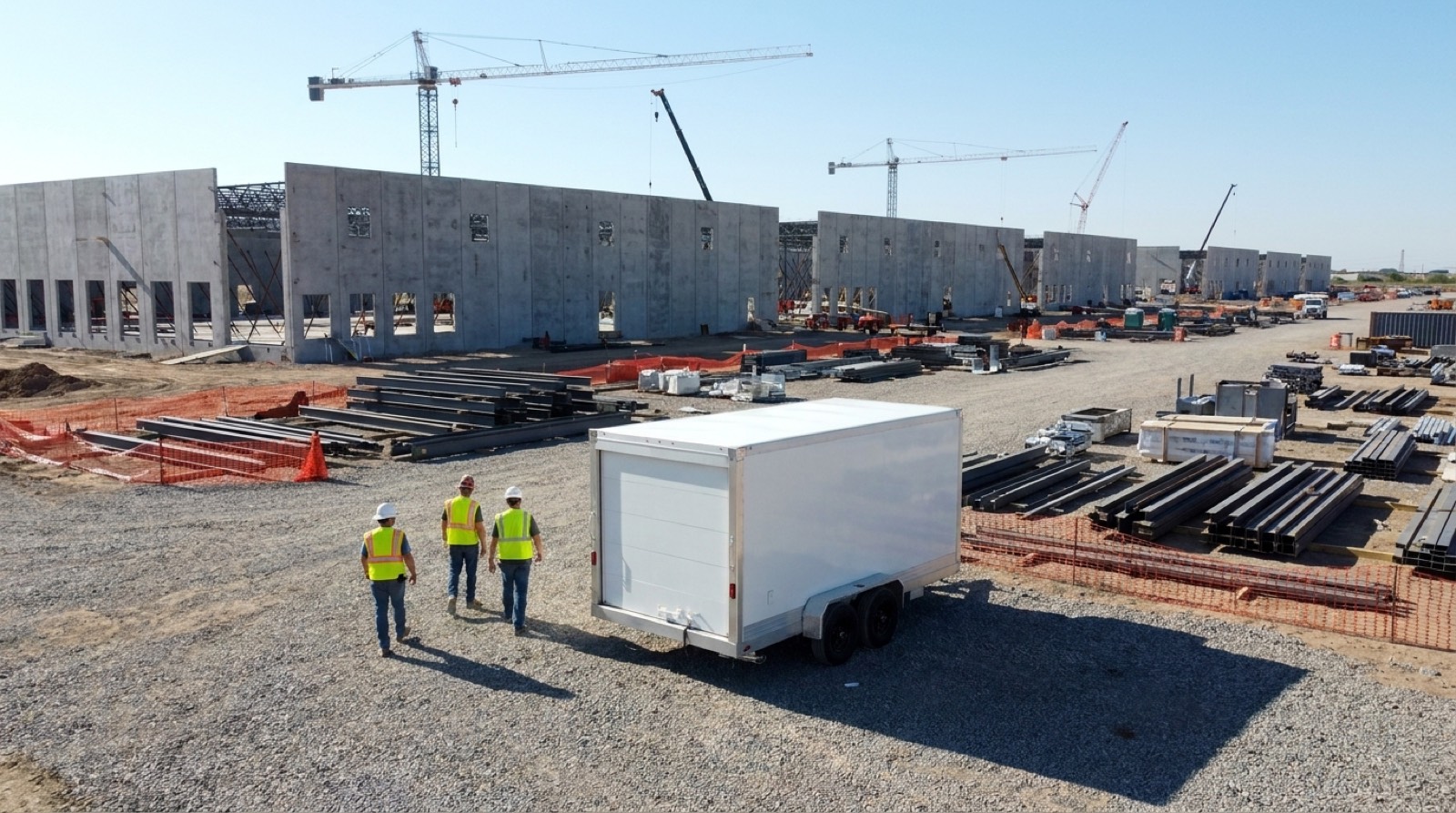
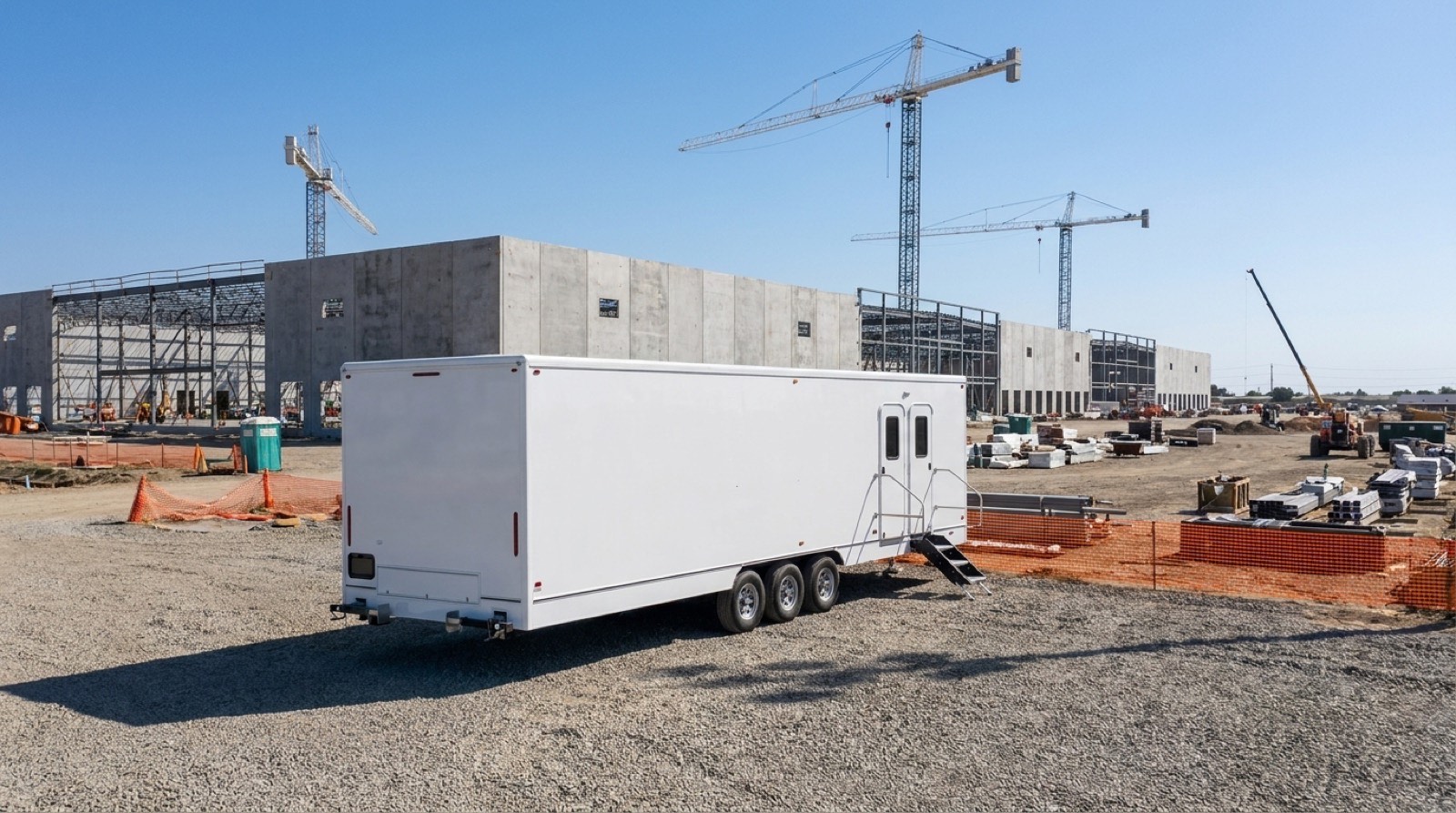
Most Utah deployments bundle several units under one route. One contracted vendor, one dispatch, one escalation path, and a site plan that arrives already coordinated.
Food service and ice programs live or die on cold storage at the pad. Refrigeration trailer rentals in Utah hold setpoint through the local season.
Restroom capacity anchors the plan. Restroom trailer rentals in Utah sit closest to the workface and set the service route that every other unit rides on.
Where crews rotate in from out of the area, the end of shift is its own rush hour. Shower trailer rentals in Utah carry that peak so the workforce goes home clean.
The paperwork side of the job needs a roof too. Office trailer rentals in Utah give supervision and inspections a place to meet without leaving the gate.
Extended-stay crews generate wash loads every week of the schedule. Laundry trailer rentals in Utah keep that cycle on site instead of in a hotel sink.
The full reach of our hydration station rentals program runs beyond Utah, covering every corridor we serve.
Where we deploy
Heaviest concentration in the corridors carrying the most active data center construction, with nationwide mobilization beyond them.
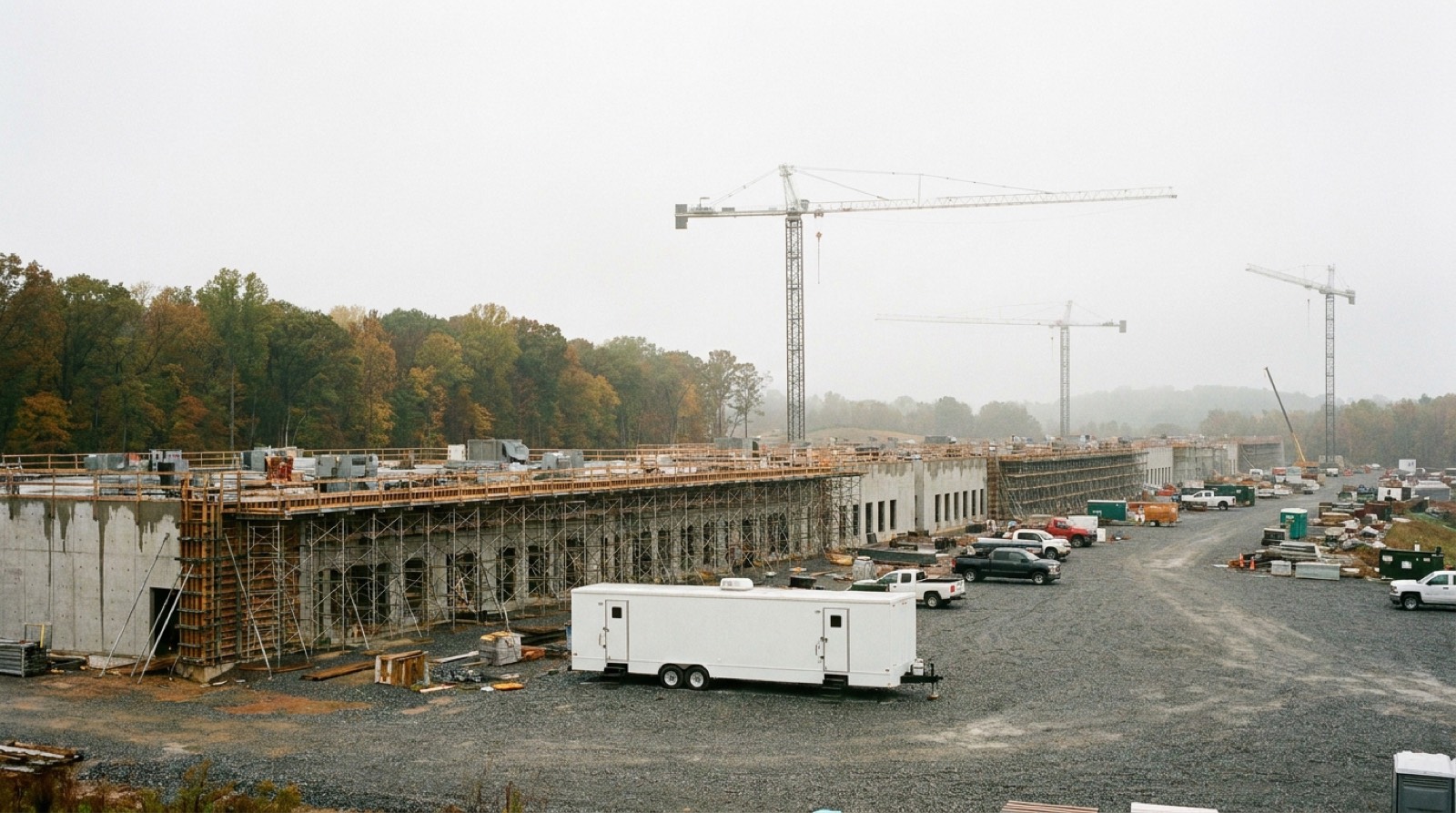
Loudoun County and Prince William run the densest data center concentration on earth. Multi-year campuses, badge-controlled access, crews in the hundreds, and facility requirements written into the subcontract.
View Northern Virginia →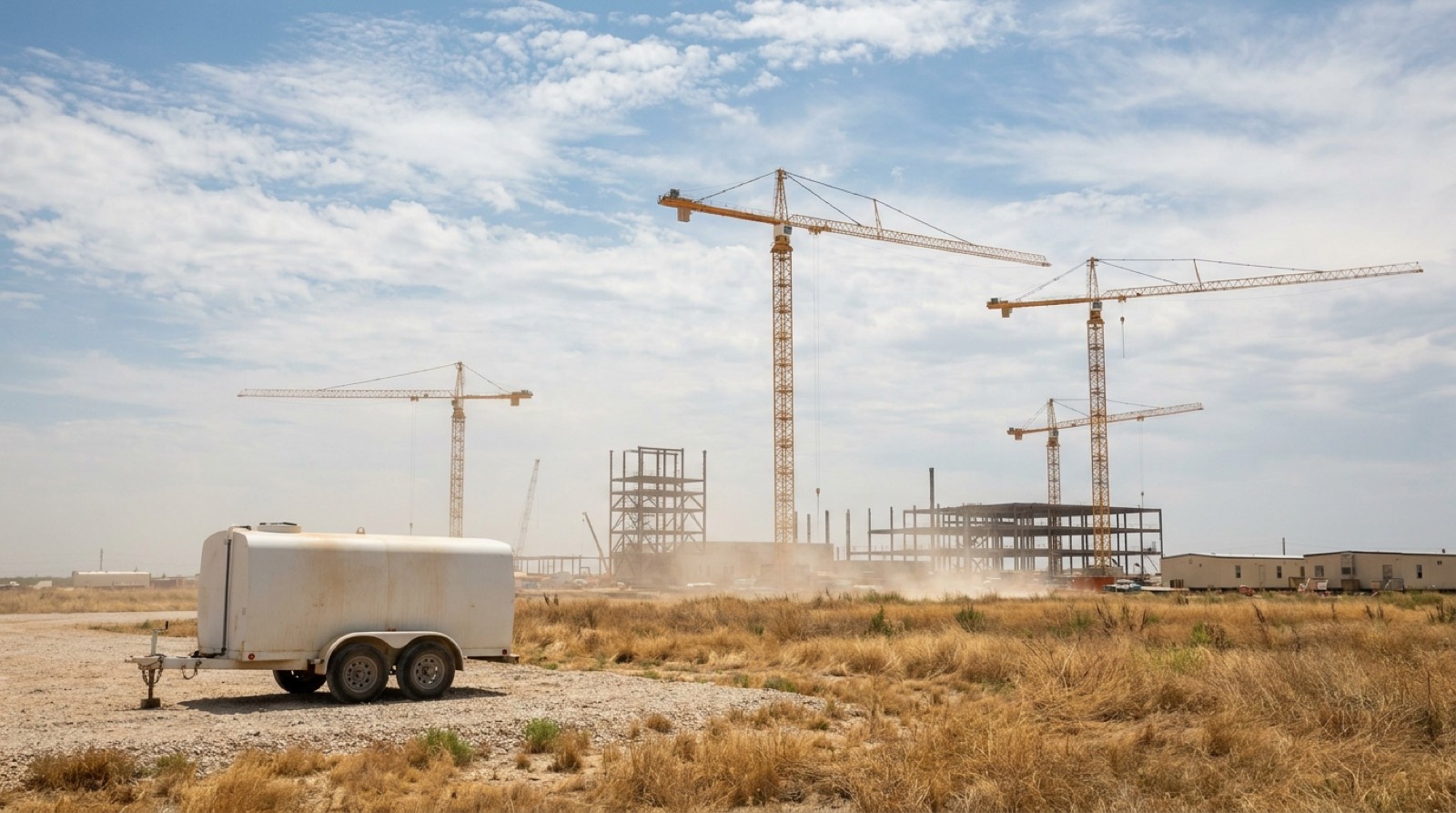
Dallas, Fort Worth, San Antonio and Abilene are carrying some of the largest campuses in the country. Summer heat makes hydration and shower capacity a safety line item, not an amenity.
View Texas →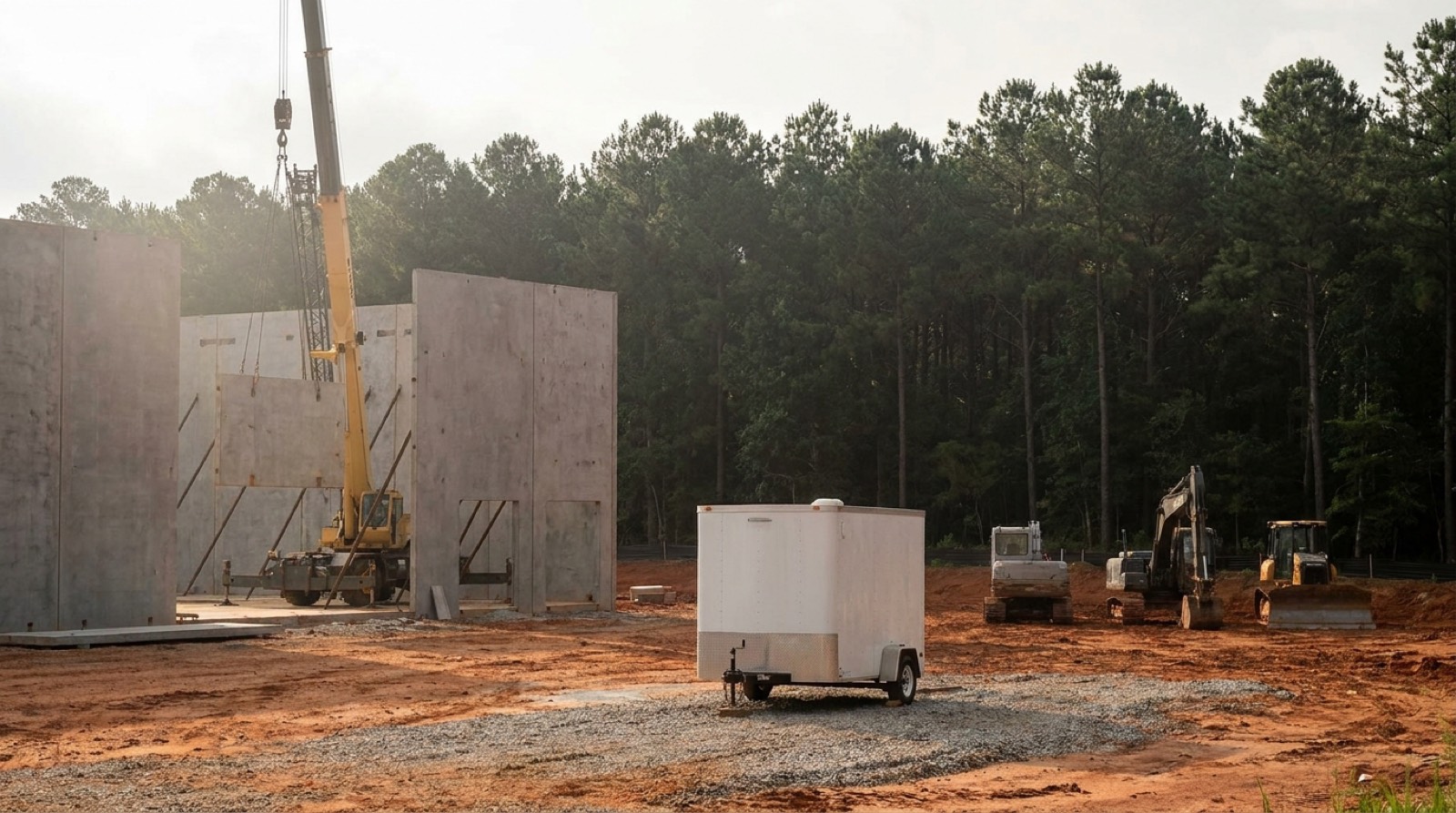
Atlanta metro and Douglas County, extending along I-20. Humid summers, long hauls between laydown and pad, and multi-phase schedules that keep facilities on site for years.
View Georgia →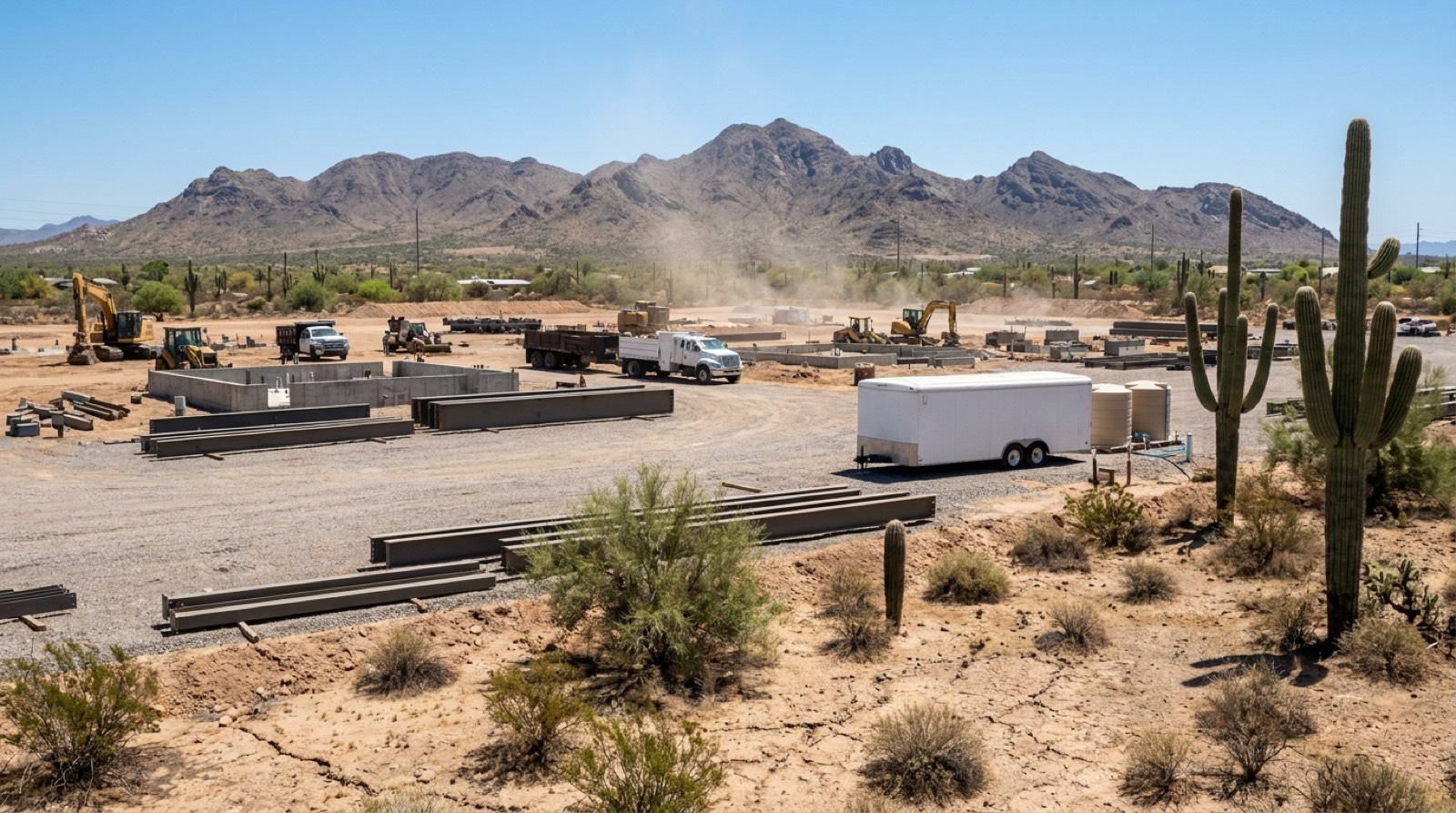
Phoenix and Mesa build through heat that regularly exceeds 110 degrees. OSHA heat-illness prevention drives water and shade requirements that our units satisfy directly.
View Arizona →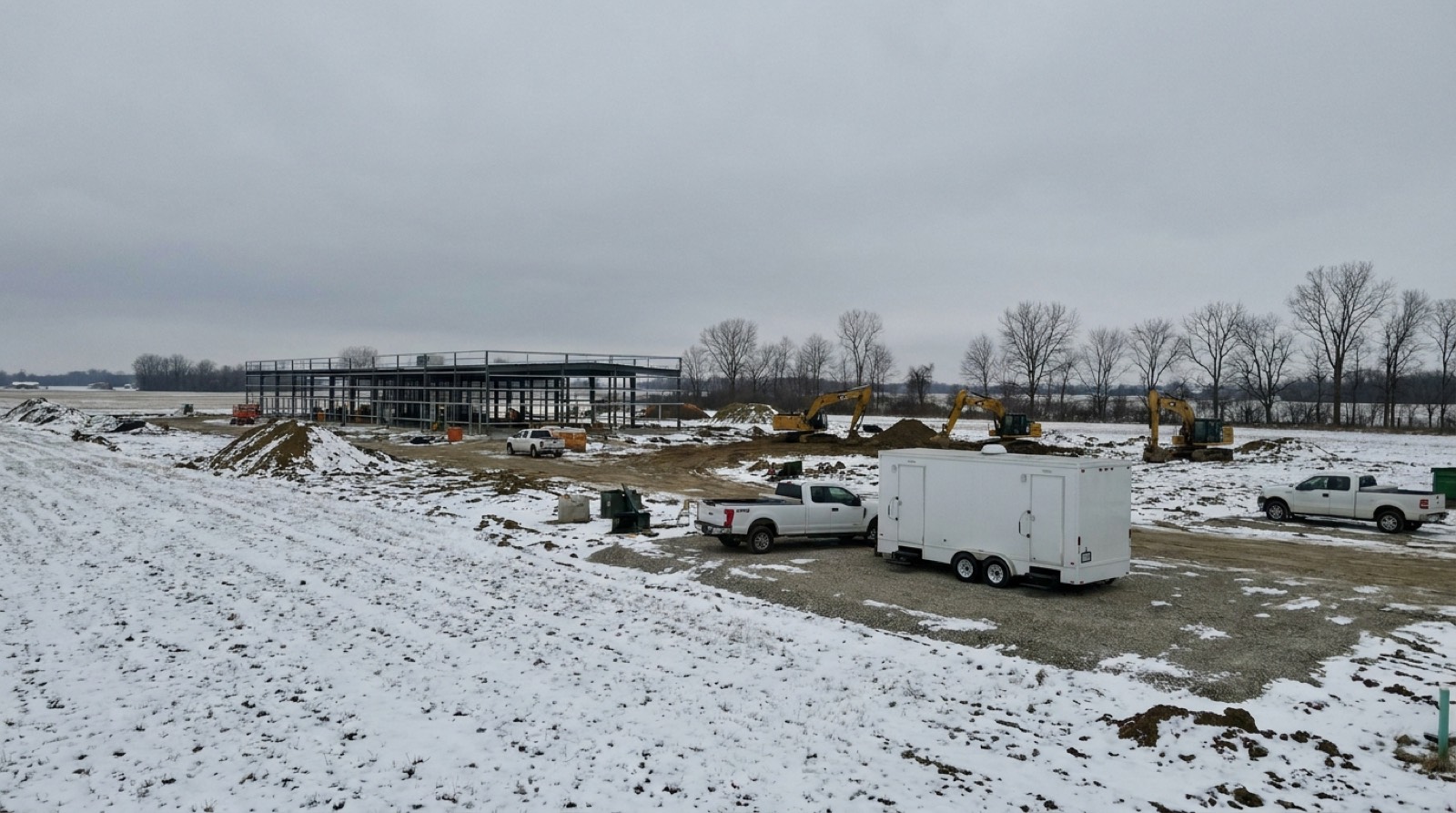
Columbus and New Albany. Freeze protection and winter service access matter here in a way Sun Belt corridors never see.
View Ohio →The Wasatch Front corridor runs through hard winters at elevation. Units are winterized and service intervals hold through snow.
View Utah →Questions we get
Dry air and altitude increase fluid loss while masking the usual sweat cues, so crews under-drink. Planning uses higher per-worker targets and positions water where drinking happens by convenience.
It shortens every supply line. Wasatch Front sites get the fastest scale-ups and surge response we offer anywhere, direct from the home yard.
Shielded, shaded fill points and tighter sanitation cycles, with placement upwind of the heaviest traffic where the site allows.
Go deeper
Longer reads for teams writing the site plan. Open what applies to your build.
Crews working data center sites along the Wasatch Front are laboring at roughly 4,300 to 4,900 feet, in some of the driest summer air in the country. That combination creates a hazard with no warning label. In humid climates, workers see and feel their sweat, and a soaked shirt is a natural reminder to drink. In Utah's dry air, sweat evaporates almost the instant it forms. A worker can be losing fluid at a serious rate all day and stay bone dry to the eye and the touch. The body's most visible dehydration alarm simply never goes off.
Elevation stacks a second loss on top. Air at 4,500 feet is thinner and holds less moisture, so breathing costs more water. Every breath gets humidified by the lungs and exhaled into air that gives nothing back, and respiration rates run higher at elevation, especially during hard physical work. It is a constant, invisible drain that sea-level planning simply does not account for.
The practical consequence is that standard hot-weather water figures are a starting point here, not a finish line. A 95-degree day in the Salt Lake Valley feels more comfortable than the same day in Georgia, and that comfort is a trap. The dryness that makes the heat feel manageable is the same dryness pulling water out of the crew at maximum speed. Our practice on Wasatch Front sites is to plan consumption at full hot-weather rates whenever real heat is in the forecast, regardless of how tolerable the air feels, and to keep that discipline through summer.
Because the usual cues fail here, hydration on high-desert sites has to run on habit rather than sensation. Workers new to elevation need the plainest version of the message. You will not feel sweaty and you will not feel thirsty on time, and you are losing water faster than you were at home. Water positioned close to every work zone, cold enough to be appealing, plus supervisors who normalize steady drinking, covers the gap that the climate hides. We build these habits into every Wasatch Front service plan. This is our home terrain, and the quiet ferocity of its fluid loss is the first lesson it teaches.
Data Center Site Facilities is headquartered on Utah's Wasatch Front, in one of the core data center infrastructure regions in the country. The corridor from Salt Lake County down through Utah County has drawn a steady run of hyperscale and colocation construction, and we built this company inside that market rather than shipping into it from somewhere else. That is worth explaining, because where a site services vendor lives changes what a project actually gets.
The first difference is response time. Hydration is a service that fails in hours, not weeks. A station damaged by a gate strike, a heat spike that outruns the refill schedule, a crew that doubles faster than the manpower projection said it would. Every one of those is a same-day problem. A vendor operating from inside the region can put a truck on a Wasatch Front site quickly, often the same morning the call comes in. A vendor dispatching from two states away cannot, no matter what the contract promises.
The second difference is that we plan against this climate because we work in it. The Wasatch Front combines elevation, aggressively dry summer air, hot valley afternoons, and cold shoulder-season nights that can freeze an unprotected water system in October. Those conditions shape real decisions. How much invisible fluid loss to assume in the consumption math. When freeze protection has to be on equipment. How canyon wind patterns punish a poorly sited station. None of that comes from a national planning template. It comes from running water service through the local calendar, year after year.
The third difference is the standard itself. The discipline our home region forces, tight service cadence, climate-adjusted planning, and equipment matched to hard conditions, is the operating model we carry to every market we serve. Utah is a demanding teacher. A vendor that keeps crews hydrated through a 100-degree valley July and an October cold snap in the same contract year has been stress-tested in ways a mild climate never provides. For planners building along the Wasatch Front, we are the local option. For planners elsewhere, we are the company whose habits were formed somewhere unforgiving. Either way, that is what the headquarters address means in practice.
Twice a year, Wasatch Front data center sites get a stretch of weather that manages to be winter and summer inside the same 24 hours. In April and again in October, valley overnight lows can drop below freezing while the following afternoon climbs into the 60s or 70s under high-elevation sun. For most site logistics this is pleasant working weather. For water service it is the trickiest window on the calendar, because the infrastructure has to survive the night and still perform in the afternoon.
The failure mode is specific. An unprotected dispenser freezes overnight. The morning crew finds solid lines or an iced valve, shrugs, and starts work planning to drink later. By 2 pm the sun has done its work, crews in the afternoon warmth are sweating in Utah's dry air, and the water system that froze at 6 am may still be balky. The day delivered summer demand on winter-damaged equipment.
Shoulder season service on the Wasatch Front is about protecting the overnight without crippling the afternoon. Insulated equipment handles the routine cold-morning swing. On forecast hard freezes, service steps up to protected placement or overnight measures for vulnerable units. Positioning does quiet work here too. A station against a south-facing wall rides the sun's schedule, thawing early and warming gently, while a unit in a shaded north corner can stay frozen until midday. We also keep afternoon capacity honest during these months. Crews genuinely do sweat on a 70-degree Utah afternoon, especially on physical scopes at elevation in dry air, and sites that mentally filed water service under summer find their stations empty during an October warm spell.
The planning mistake we push back on most in Utah is pulling water service at the first freeze warning. The first frost of fall is usually followed by weeks of warm, dry working afternoons, some of the best construction weather of the year, with full crews and real fluid demand. Ending hydration service in early October abandons those weeks. The right move is transitioning the service into shoulder mode rather than removing it, and holding that mode until winter arrives for real. The swing season rewards vendors who plan for both halves of the day.