Utah
Shower trailer rentals for Utah data center sites
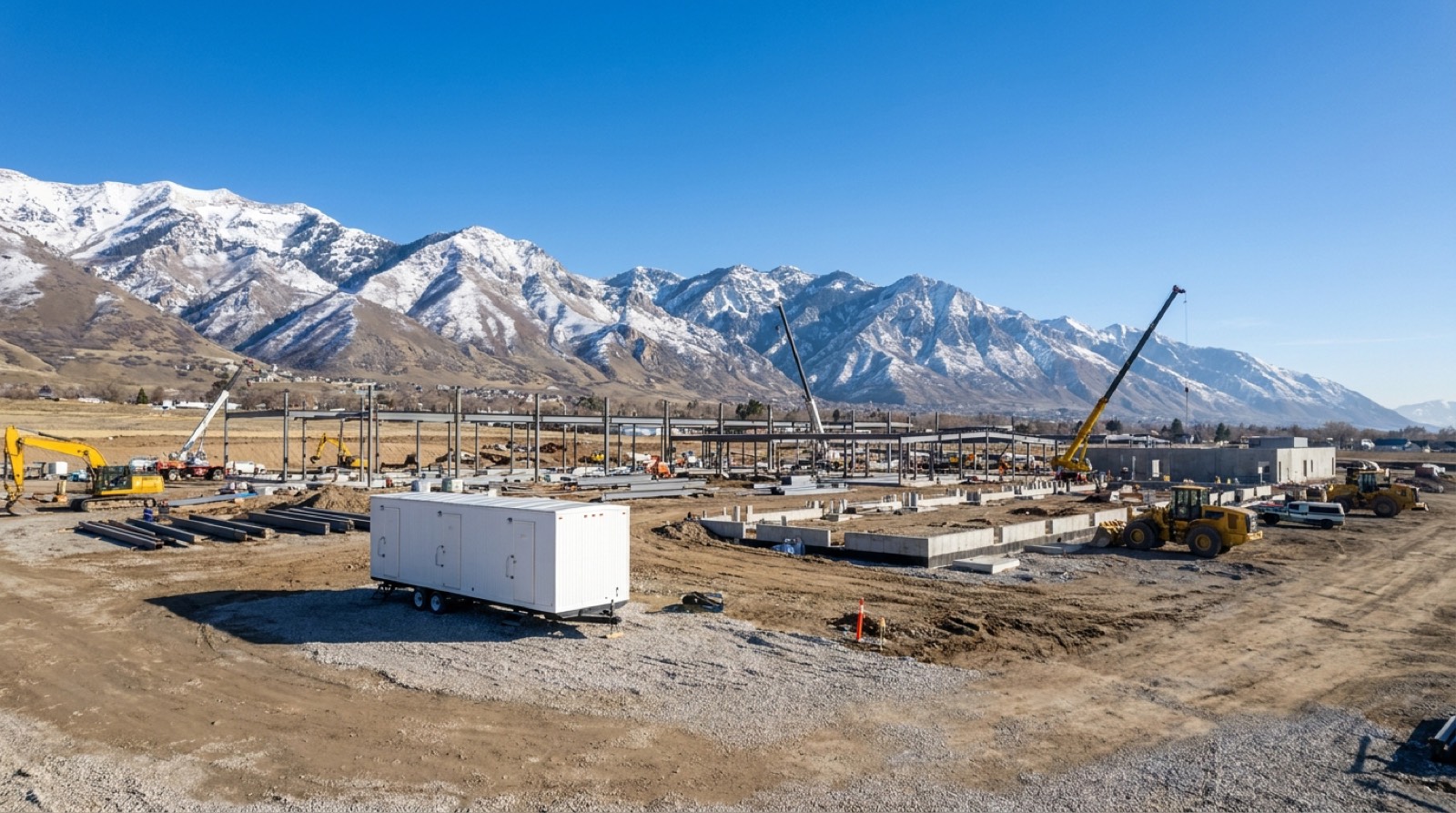
Eagle Mountain pulls trades from across the West on long rotations. Shower capacity, winterized for altitude, served from our home corridor.
Eagle Mountain pulls trades from across the West on long rotations. Shower capacity, winterized for altitude, served from our home corridor.
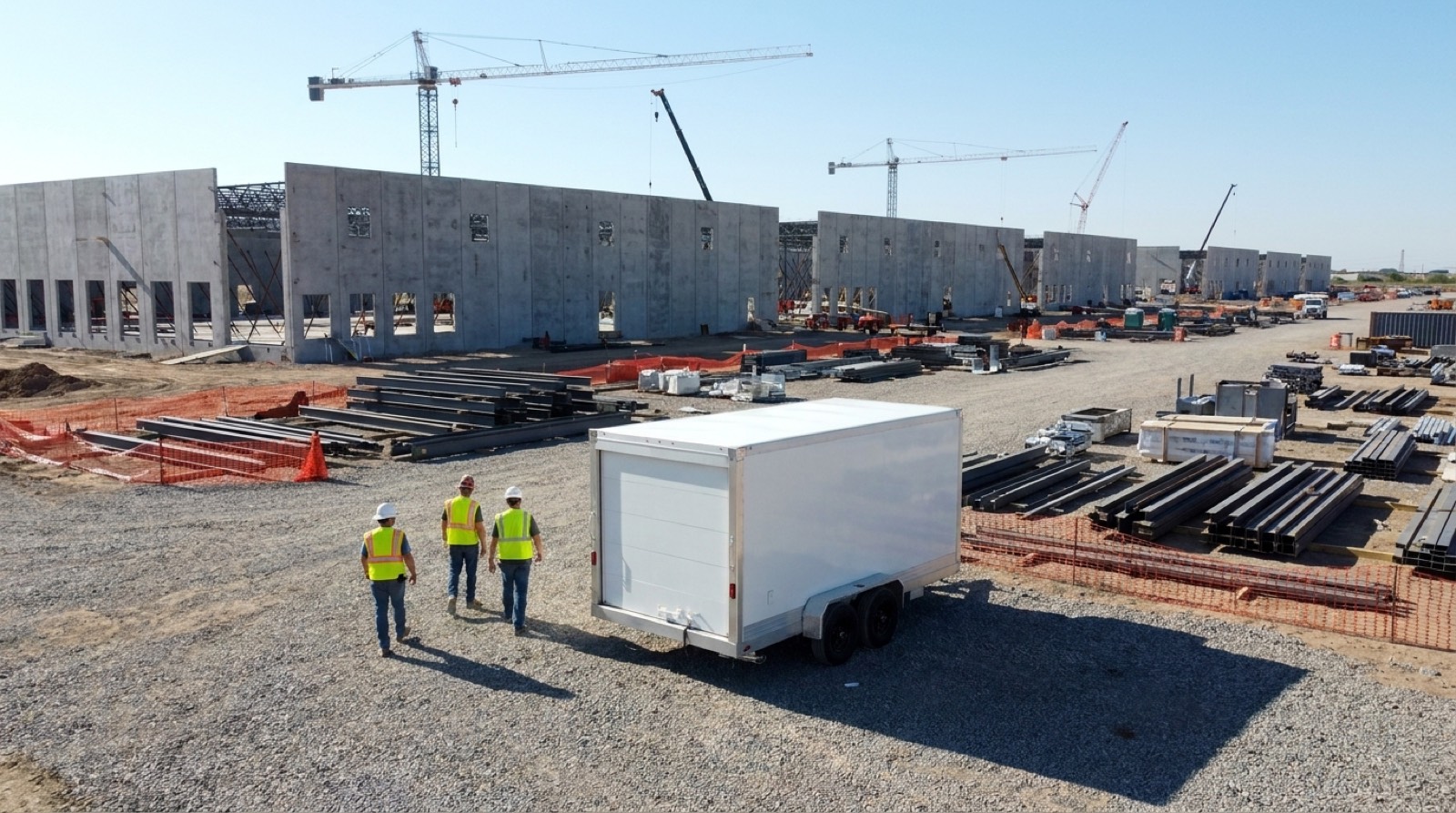
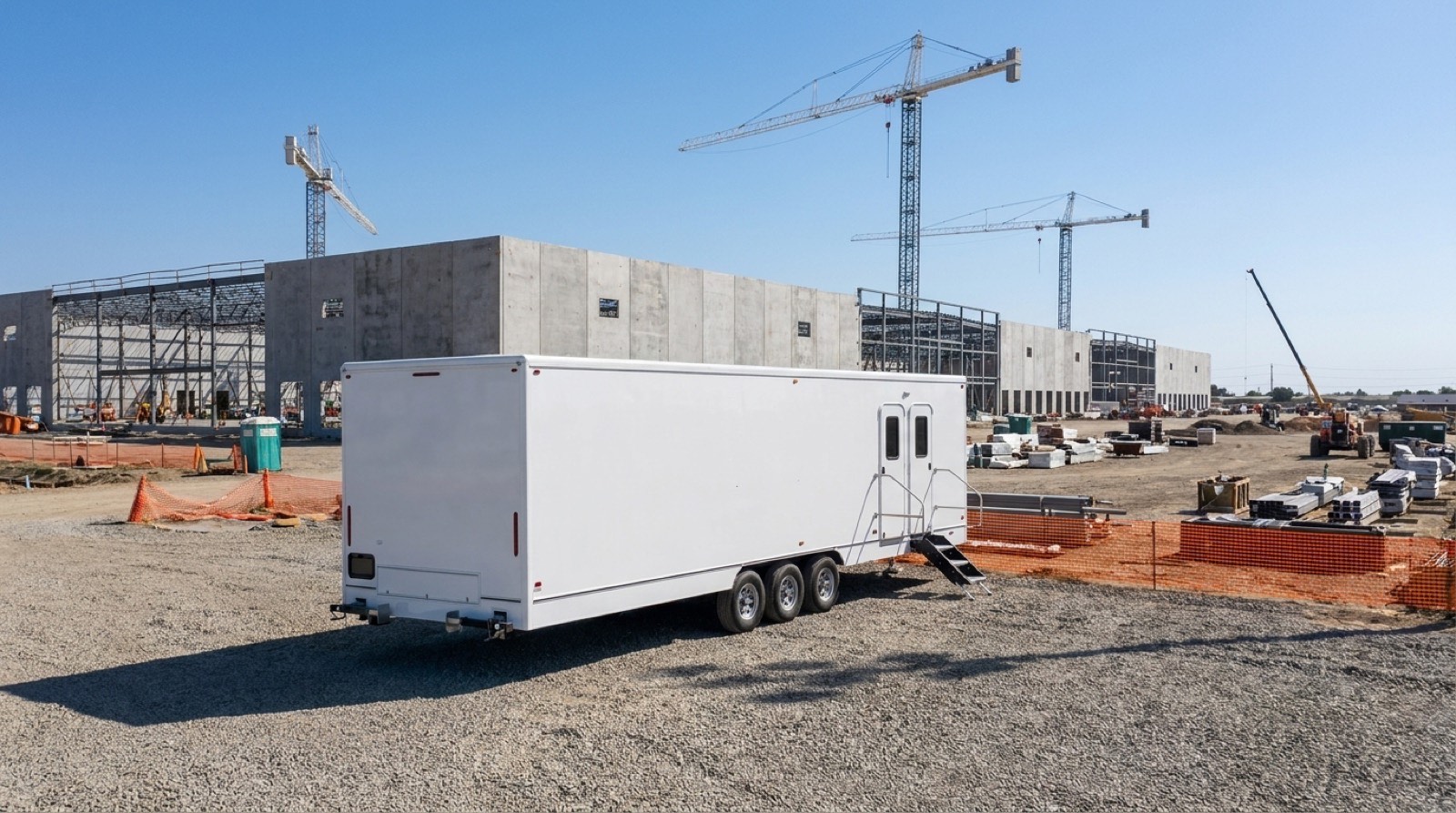
Eagle Mountain construction pulls trades from Nevada, Idaho and beyond. They work rotations and live in extended-stay housing. For that workforce, site showers are daily infrastructure, not an occasional convenience. We plan stall counts against the rotation structure the same way fixture counts get planned against headcount.
Wasatch Front winters run sub-freezing for weeks, so full winterization is the spec. Protected plumbing, heat trace, heated changing space. Summers flip the problem to dust and dry heat. By afternoon the valley floor has coated every crew, and the showers take it back off.
We are headquartered on the Wasatch Front, so Utah shower deployments run on our shortest supply lines. Surge capacity for a schedule acceleration and same-day response for a mechanical issue come from the home yard, not a mobilization plan.
Most Utah deployments bundle several units under one route. One contracted vendor, one dispatch, one escalation path, and a site plan that arrives already coordinated.
Restroom capacity anchors the plan. Restroom trailer rentals in Utah sit closest to the workface and set the service route that every other unit rides on.
Water is the first thing safety plans ask about. Hydration station rentals in Utah run on the same supply logistics as the rest of the package, so adding them costs one stop, not a second vendor.
The paperwork side of the job needs a roof too. Office trailer rentals in Utah give supervision and inspections a place to meet without leaving the gate.
Extended-stay crews generate wash loads every week of the schedule. Laundry trailer rentals in Utah keep that cycle on site instead of in a hotel sink.
Food service and ice programs live or die on cold storage at the pad. Refrigeration trailer rentals in Utah hold setpoint through the local season.
The full reach of our shower trailer rentals program runs beyond Utah, covering every corridor we serve.
Questions we get
Full winterization is the default: protected plumbing, heat trace and heated changing space rated for sustained cold at elevation, with service routes planned around snow.
Rotation crews use showers daily as part of living away from home, so stall counts follow the rotation structure rather than a commuter site's lighter demand.
Yes. Home-corridor sites get our shortest supply lines, including same-day surge and mechanical response from the home yard.
Where we deploy
Heaviest concentration in the corridors carrying the most active data center construction, with nationwide mobilization beyond them.
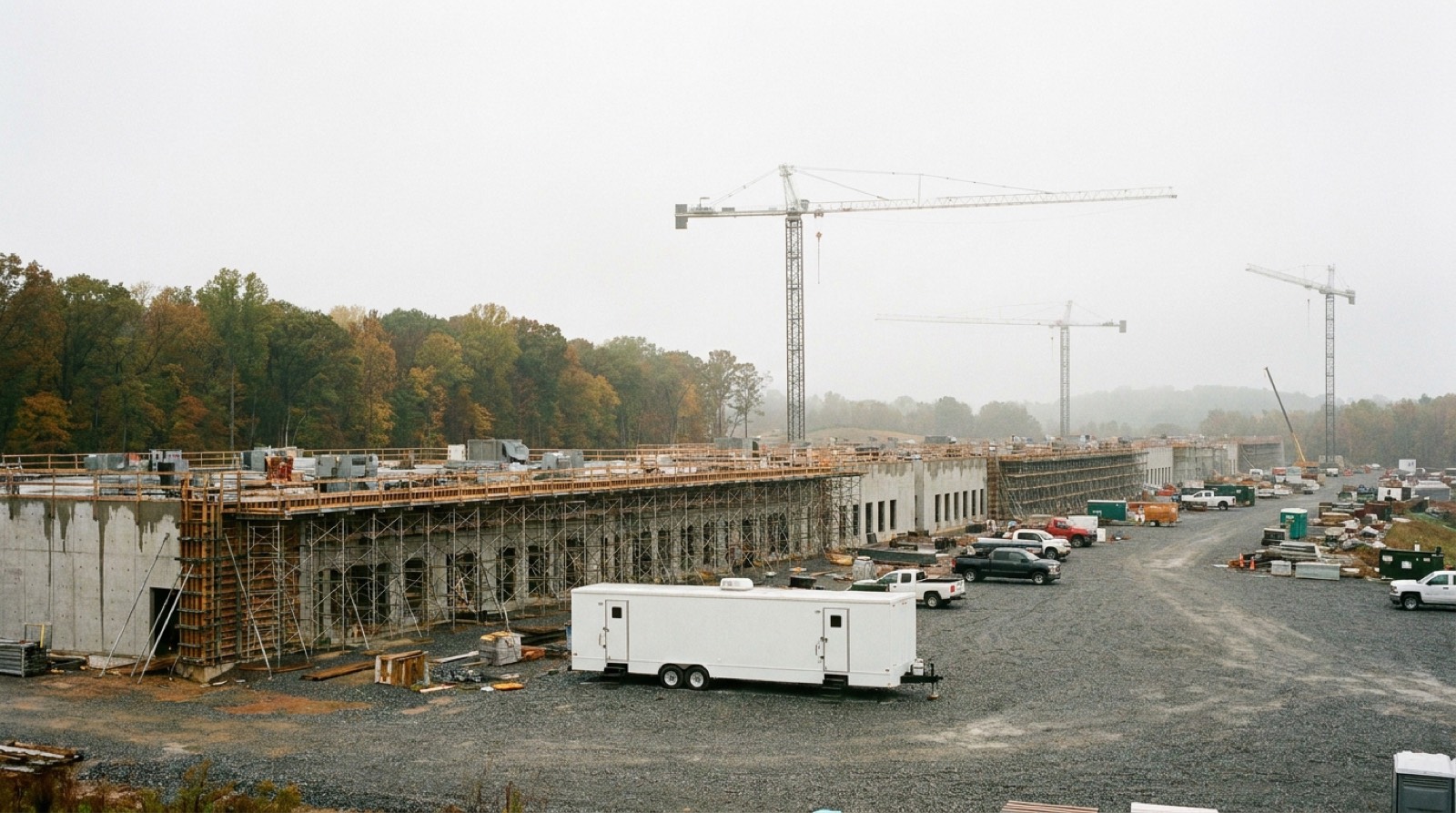
Loudoun County and Prince William run the densest data center concentration on earth. Multi-year campuses, badge-controlled access, crews in the hundreds, and facility requirements written into the subcontract.
View Northern Virginia →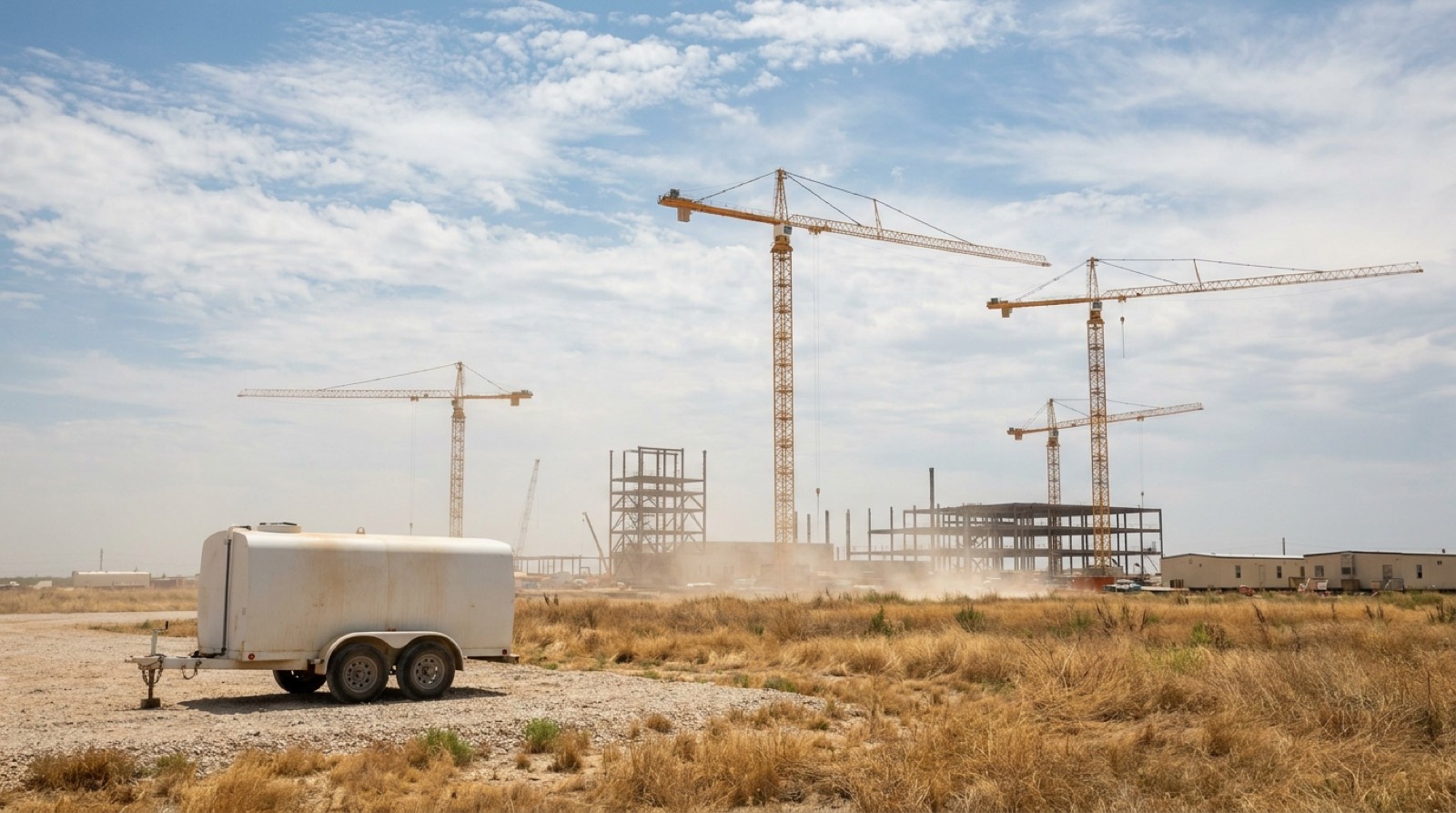
Dallas, Fort Worth, San Antonio and Abilene are carrying some of the largest campuses in the country. Summer heat makes hydration and shower capacity a safety line item, not an amenity.
View Texas →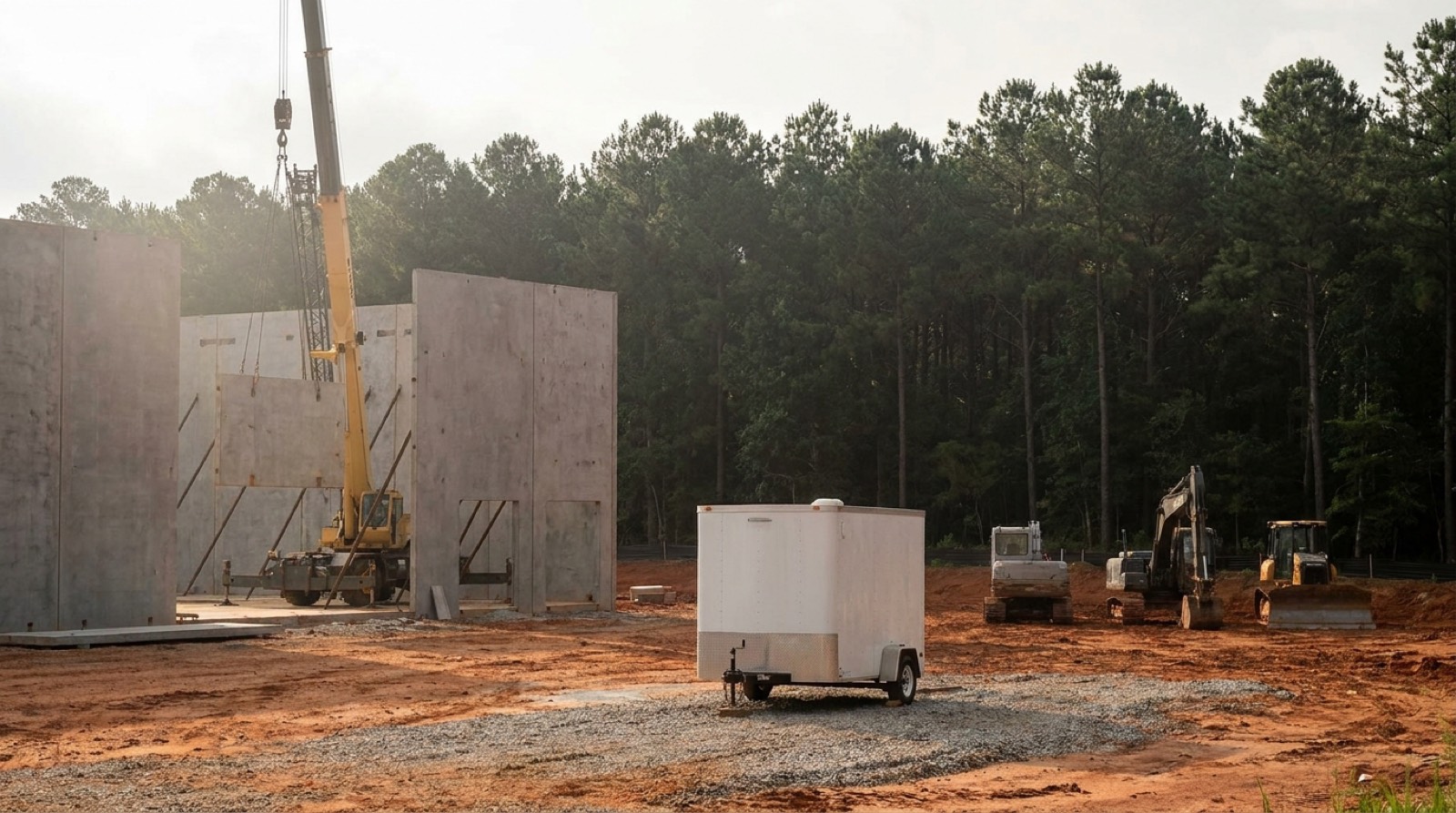
Atlanta metro and Douglas County, extending along I-20. Humid summers, long hauls between laydown and pad, and multi-phase schedules that keep facilities on site for years.
View Georgia →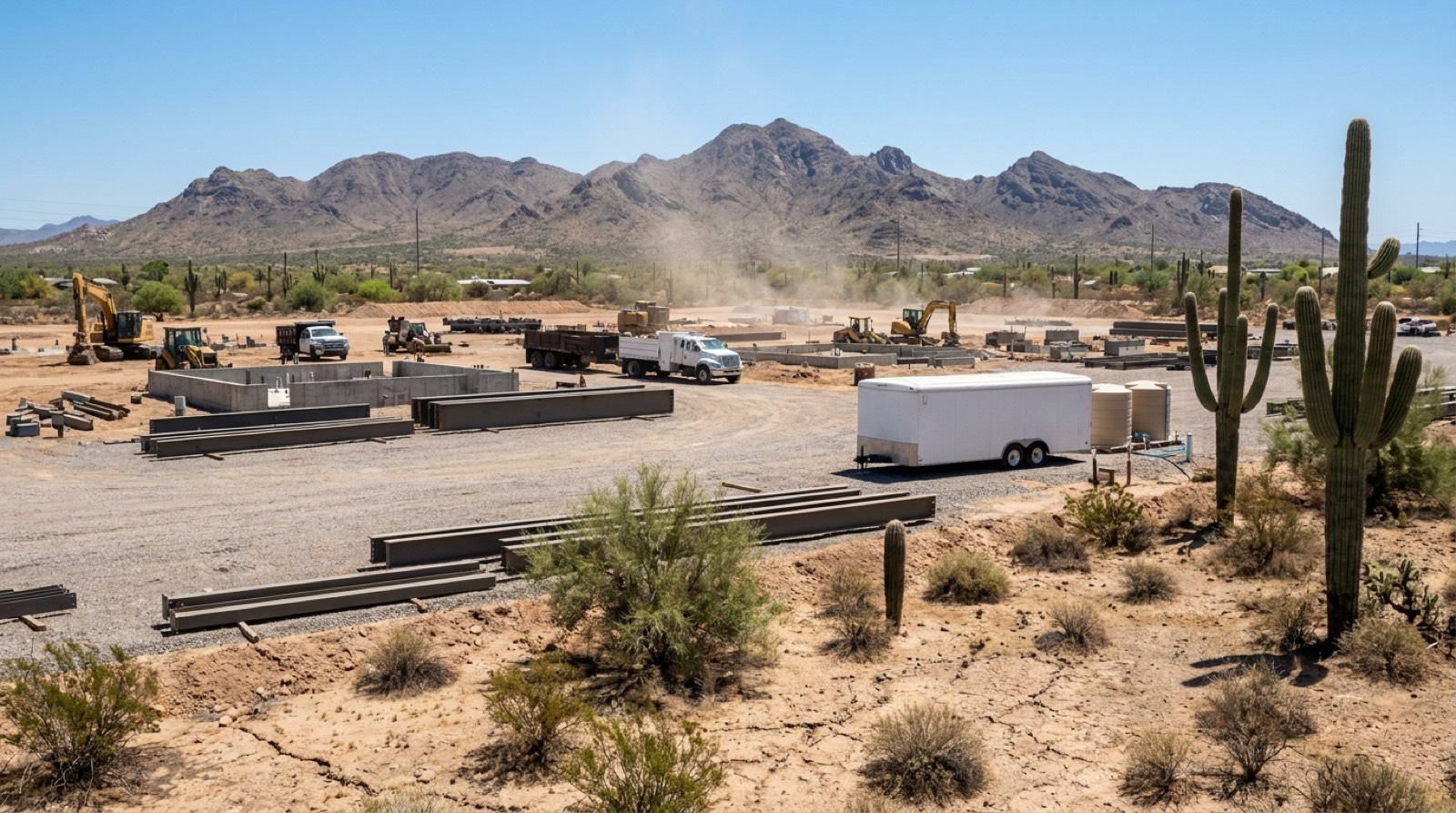
Phoenix and Mesa build through heat that regularly exceeds 110 degrees. OSHA heat-illness prevention drives water and shade requirements that our units satisfy directly.
View Arizona →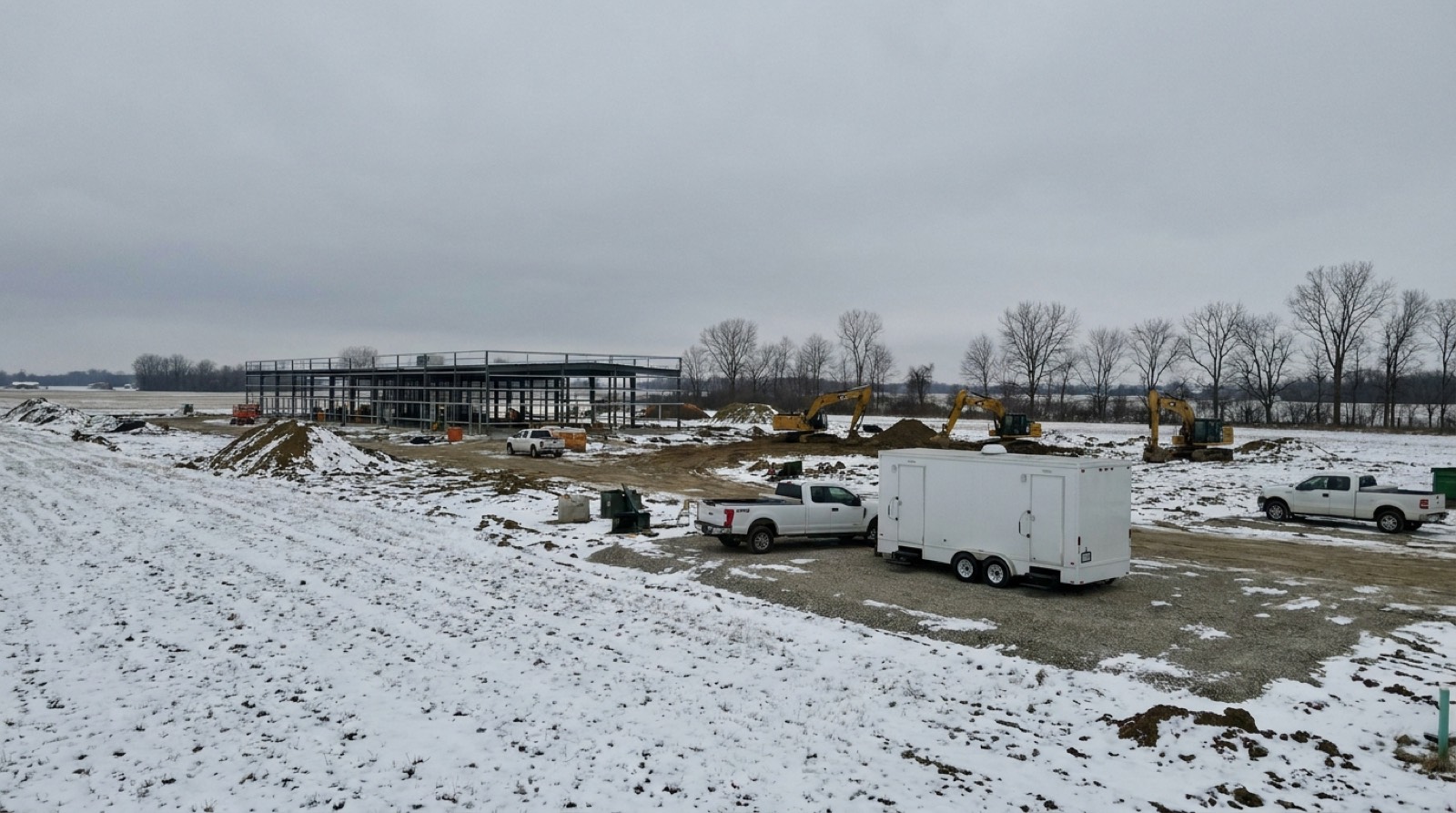
Columbus and New Albany. Freeze protection and winter service access matter here in a way Sun Belt corridors never see.
View Ohio →The Wasatch Front corridor runs through hard winters at elevation. Units are winterized and service intervals hold through snow.
View Utah →Go deeper
Longer reads for teams writing the site plan. Open what applies to your build.
Utah's data center growth runs the length of the Wasatch Front, from Ogden down through Salt Lake and into Utah County, with sites pushing into the west desert benches. Most of this construction happens between 4,200 and 5,200 feet of elevation, and some support facilities sit higher. Elevation changes site life in quiet ways. The sun burns faster, the air is drier, days swing 35 degrees from dawn to afternoon, and crews coming from lower country feel the altitude for their first weeks. Camp and site facilities should account for all of it.
For shower trailers specifically, the dry air is the friendly part. Interiors dry quickly and mildew pressure is low compared to the Southeast. The challenge is the rest of it. Temperature swings complicate the water math, and the heating season starts earlier and ends later than lowland schedules expect.
Remote-site camps in Utah's west desert and benchland run high shower usage despite the dry air, because the dust makes up for the missing humidity. Fine alkaline dust off the benches coats skin and gear the way desert sites everywhere know, and it is irritating enough that crews want it off before dinner. Plan camp ratios at one stall per eight to ten residents, with hot water recovery sized generously, because the appetite for long hot showers grows as the nights get cold.
Propane behaves differently at elevation and in cold snaps, so heater sizing should carry margin beyond the sea-level spec. Water heaters and furnace ratings both derate as altitude climbs. Equipment that runs at its limit in Georgia runs past its limit here. We spec our mountain-market units with that headroom built in.
The Wasatch Front will hand you a 70-degree October afternoon and a 22-degree night in the same day. Trailers here need active freeze protection running weeks before the calendar says winter, and again well into spring. The classic failure is the October cold snap that catches an unwinterized unit with full lines. We run freeze protection on our Utah fleet from early fall through late spring as standard practice, because we have watched that snap arrive in September.
This is our home ground. Data Center Site Facilities is headquartered along the Wasatch Front, in the middle of one of the country's core data center infrastructure corridors, and our crews live in this climate year-round. When a site west of Utah Lake or up the Ogden bench needs another trailer or an emergency service call, we are a drive away, not a dispatch across three states. For elevation work, that proximity is worth as much as the equipment spec.
Winter along the Wasatch Front is not a few bad weeks. Freezing nights start in October and persist into April, with January stretches where daytime highs stay below freezing and valley inversions lock in cold air for a week at a time. Mountain-adjacent sites add wind and heavy snow loads. A data center schedule does not pause for any of it, so the shower trailer serving that schedule has to run through roughly six months of freeze risk without an off day.
That duration changes the engineering conversation. A trailer that can survive a cold night is not the same as a trailer that can run reliably through 150 of them. Utah winter service is about sustained operation, and everything in the spec follows from that.
The physical package looks like serious northern equipment because it is. Heat-traced and insulated lines end to end, sealed and skirted undercarriages, heated tank compartments, and interior furnaces sized to hold comfortable changing temperatures against single-digit ambient air. Incoming water in a Utah January arrives near 40 degrees, which cuts water heater recovery hard. We size heaters against winter inlet temperatures, not the summer numbers that make brochures look good.
Snow logistics deserve their own line in the site plan. The trailer needs a plowed approach for workers and a plowed, wider approach for water delivery and pump-out trucks. Roof snow load, propane tank access, and a place to push the plowed snow that does not dam drainage around the unit all sound trivial until February delivers three storms in ten days. Sites that assign the trailer approach to the plowing contractor's route map have no problems. Sites that do not, do.
A crew working outside through a Utah winter spends the day sweating inside insulated gear while the air around them sits in the 20s. Ending that day with a hot shower and dry clothes before driving home through the canyon or across the valley is a genuine health and morale difference. Traveling trades wintering in this market talk about which sites are set up for the season and which are toughing it out. The good ones hold their people.
We are headquartered on the Wasatch Front, our equipment winters here every year, and our service crews plow through the same storms your crews do. When a heater faults at 6 a.m. in a cold snap, the response is measured in hours because we are local. That is the practical difference between renting winter-rated equipment and renting from a company that actually lives in the winter it rates for.
Data Center Site Facilities is headquartered along Utah's Wasatch Front, in the middle of one of the country's core data center infrastructure regions. The corridor from Ogden through Salt Lake City and into Utah County has drawn major campuses for years, pulled by cheap power, fiber crossroads, dry air that cooling engineers love, and a straight shot to West Coast markets without West Coast costs. We built this company here because the work is here, and because supporting construction sites well is easier when you can drive to them.
That local base shapes how we operate in ways that show up on your site. Our yard, our spare units, and our service techs are in the region. A trailer swap or an emergency call on a Eagle Mountain or west desert site is a same-day drive, not a mobilization from another state with a week of lead time.
Every spec choice in our Utah fleet comes from operating in this exact climate. Freeze protection runs early fall through late spring because we have seen the October snap catch sites off guard. Water heaters carry altitude derate margin because equipment breathes thinner air at 4,500 feet. Interiors are built for the 35-degree daily swings of the shoulder seasons. Service calendars assume early freezes, inversion cold spells, canyon winds, and the March mud that follows every thaw. None of that is guesswork imported from a national playbook. It is the accumulated result of running equipment through Wasatch Front years.
We also know the practical map. Which corridors the water haulers actually cover, where the licensed gray water disposal sites are, how long a vacuum truck really takes to reach a bench site in February. Facilities logistics is local knowledge, and ours is deep in exactly the geography where Utah's data centers are rising.
A rule we run the company by: the sites closest to home get no excuse for anything less than our best, because our neighbors are watching and our reputation lives here. Utah projects get the newest equipment in the fleet, the tightest service windows, and direct access to the people who own the outcome. When a superintendent on a Utah County campus calls about a stall count question or a heater fault, someone who can fix it answers.
If you are planning a build anywhere on the corridor, from the Ogden bench to the Utah County shoreline sites to the west desert, start the facilities conversation early. We will walk the pad, map the water and pump-out logistics, size the stalls against your manpower curve, and have equipment staged before your first big crew lands. This is our home market. We intend to be the best thing about yours.