Ohio
Shower trailer rentals for Ohio data center sites
Hot showers on a frozen site are a winterization problem solved in the spec, not the field. Shower capacity for central Ohio's year-round schedules.
Hot showers on a frozen site are a winterization problem solved in the spec, not the field. Shower capacity for central Ohio's year-round schedules.
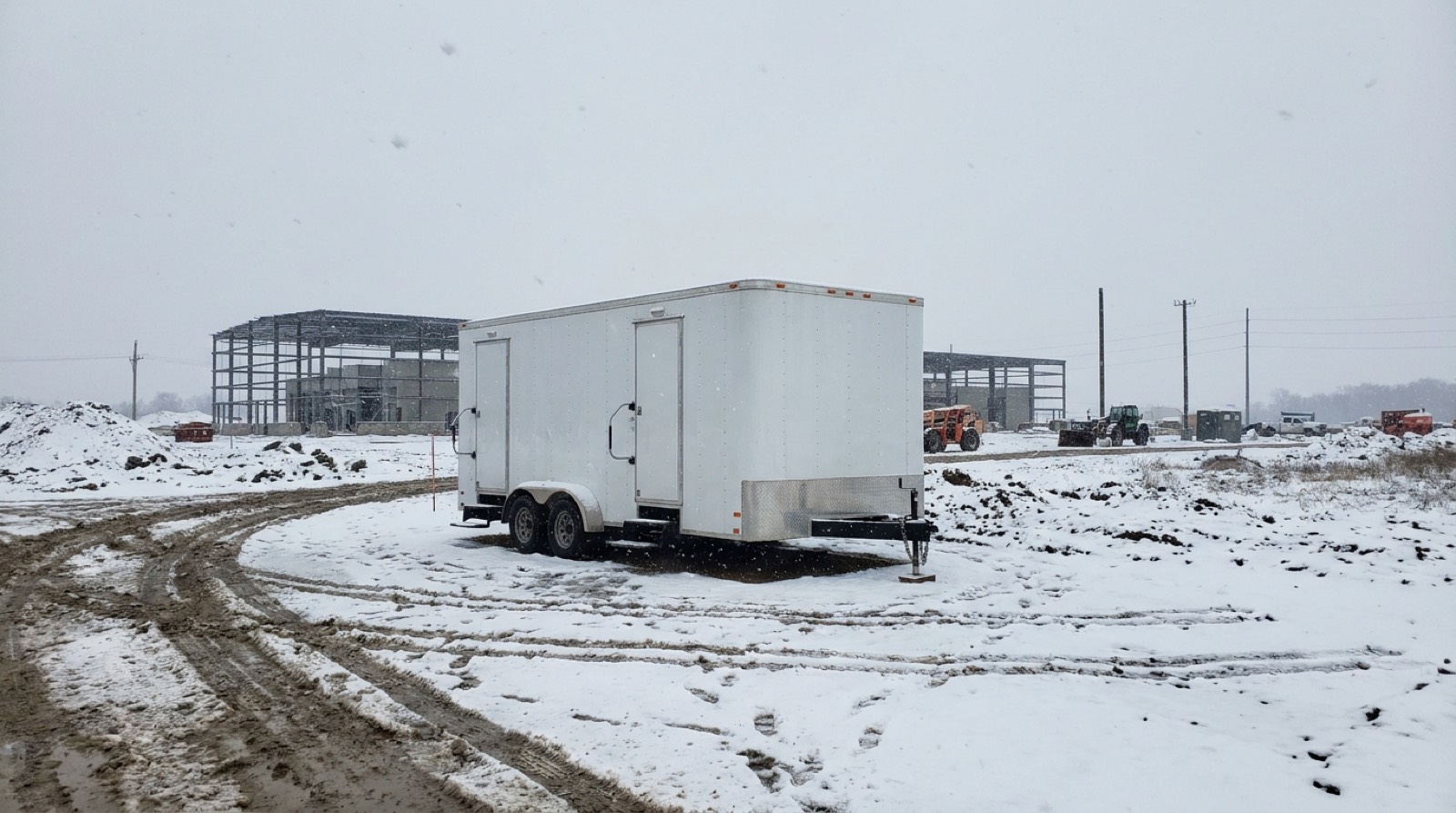
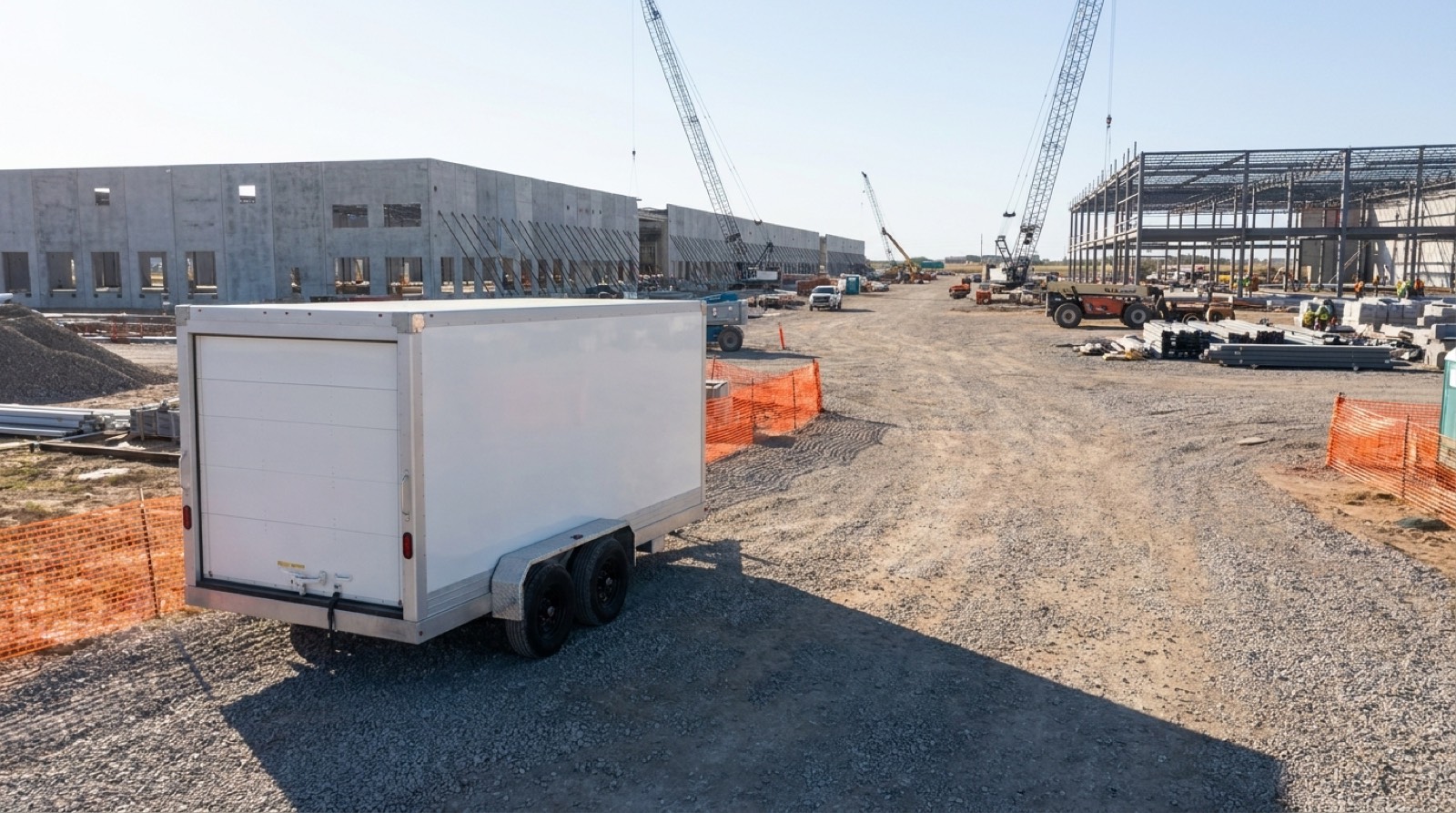
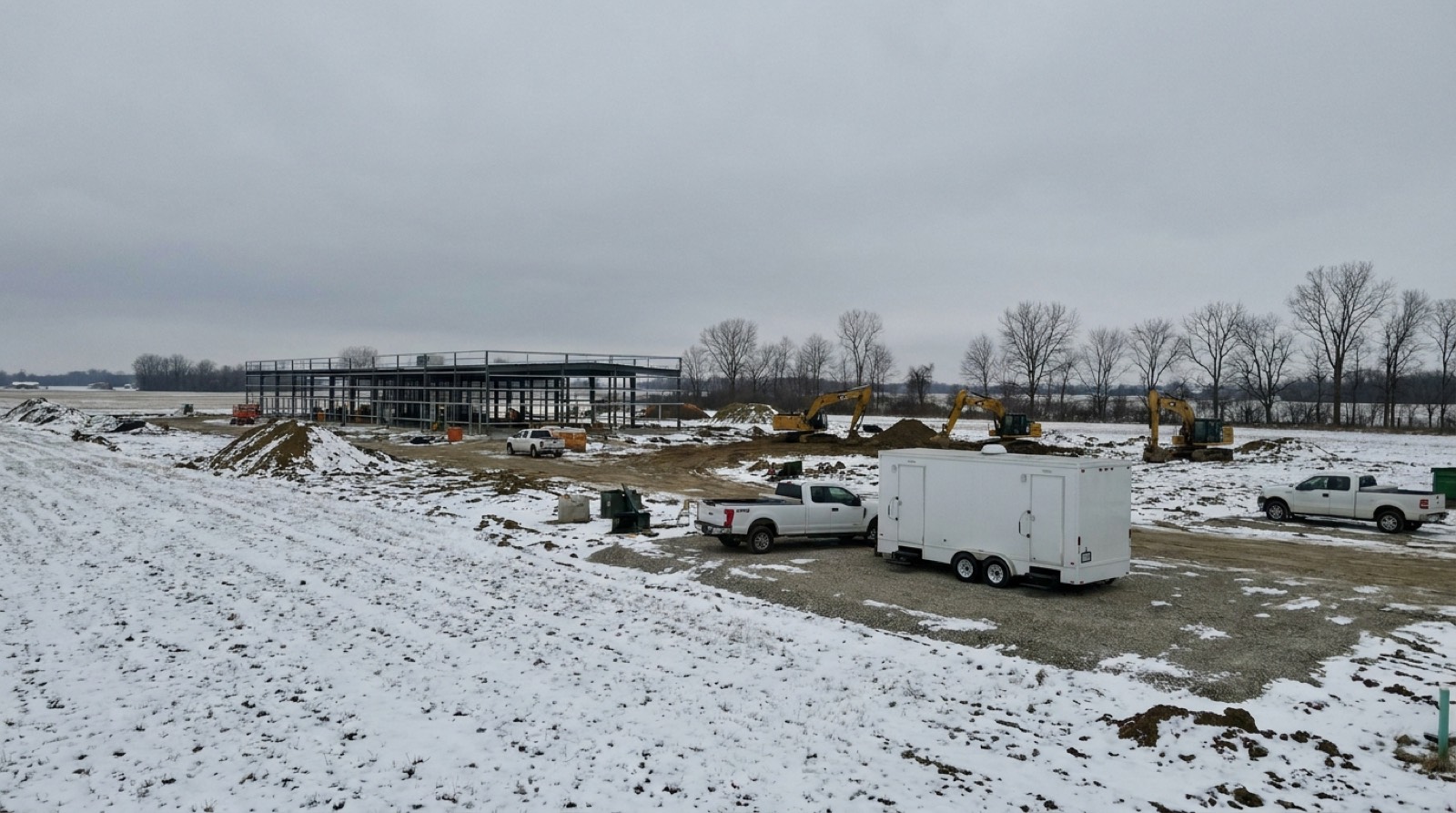
A shower trailer is the most freeze-vulnerable unit on any site. Water heaters, supply lines, gray tanks and wet interiors all sit one hard January night from failure. Central Ohio units run fully winterized by default. Heat trace, enclosed plumbing, interiors held warm around the clock. A frozen shower unit stays dead until a thaw and a repair, so we do not let it freeze.
Winter crews work in layers, and a shower is only usable if there is warm space to strip them off and put them back on. Our cold-climate units carry heated changing areas sized for winter gear, which is the difference between showers crews use and showers that sit idle from November to March.
New Albany and Licking County programs run multi-year schedules that do not pause for season. Shower capacity holds through winter at right-sized counts, then scales with the spring ramp, with service routes that account for plowed access and where a pump truck can actually operate in February.
Most Ohio deployments bundle several units under one route. One contracted vendor, one dispatch, one escalation path, and a site plan that arrives already coordinated.
The paperwork side of the job needs a roof too. Office trailer rentals in Ohio give supervision and inspections a place to meet without leaving the gate.
Extended-stay crews generate wash loads every week of the schedule. Laundry trailer rentals in Ohio keep that cycle on site instead of in a hotel sink.
Food service and ice programs live or die on cold storage at the pad. Refrigeration trailer rentals in Ohio hold setpoint through the local season.
Restroom capacity anchors the plan. Restroom trailer rentals in Ohio sit closest to the workface and set the service route that every other unit rides on.
Water is the first thing safety plans ask about. Hydration station rentals in Ohio run on the same supply logistics as the rest of the package, so adding them costs one stop, not a second vendor.
The full reach of our shower trailer rentals program runs beyond Ohio, covering every corridor we serve.
Questions we get
Winterized ones do. Heat trace, enclosed plumbing, warm-held interiors and heated changing space are the default central Ohio spec, and service continues through winter on routes planned for snow.
It drops but does not disappear, so counts right-size for the season and scale back up ahead of the spring manpower ramp.
Columbus, New Albany and the Licking County corridor as the core, with statewide mobilization beyond central Ohio.
Where we deploy
Heaviest concentration in the corridors carrying the most active data center construction, with nationwide mobilization beyond them.
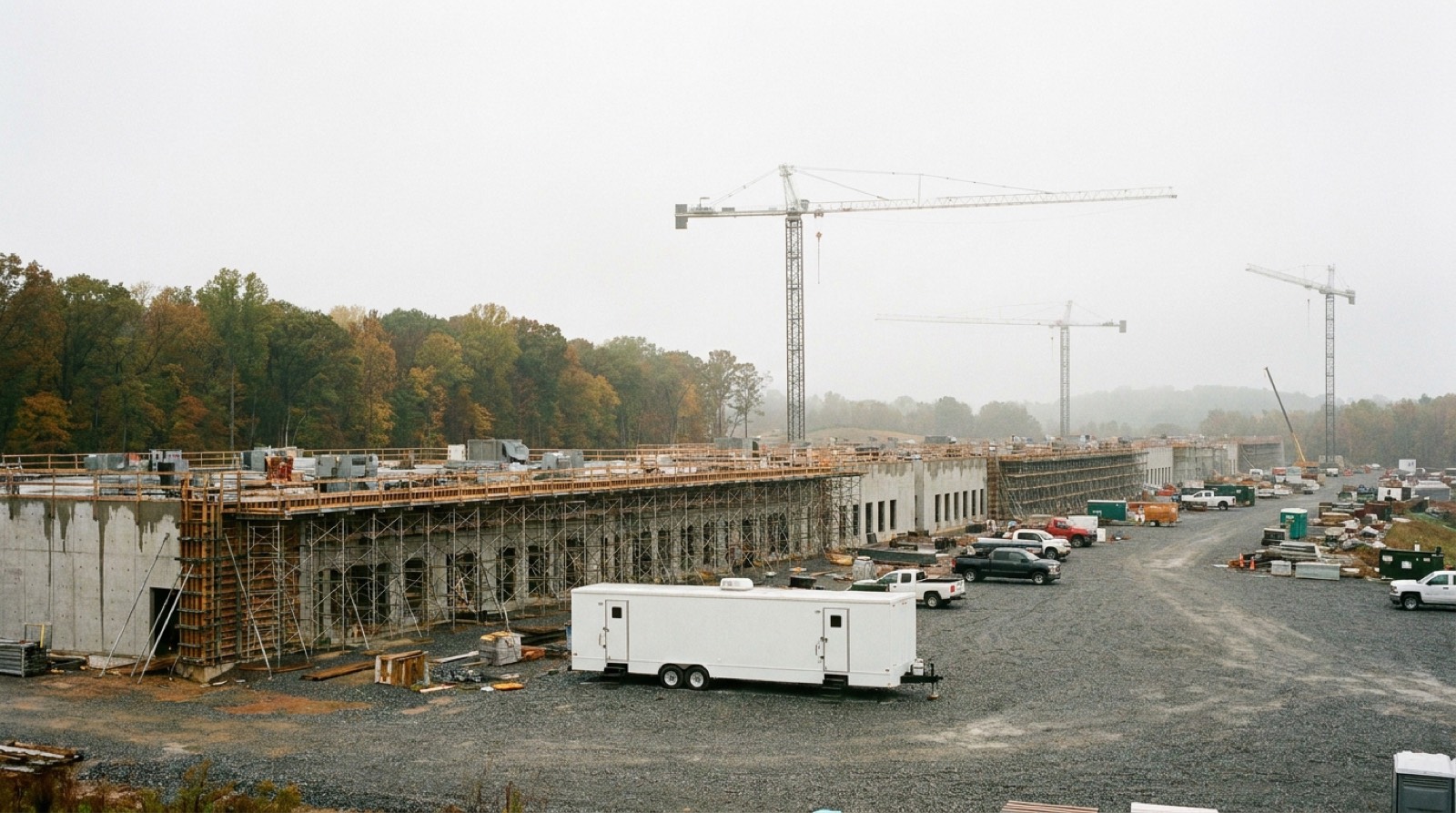
Loudoun County and Prince William run the densest data center concentration on earth. Multi-year campuses, badge-controlled access, crews in the hundreds, and facility requirements written into the subcontract.
View Northern Virginia →
Dallas, Fort Worth, San Antonio and Abilene are carrying some of the largest campuses in the country. Summer heat makes hydration and shower capacity a safety line item, not an amenity.
View Texas →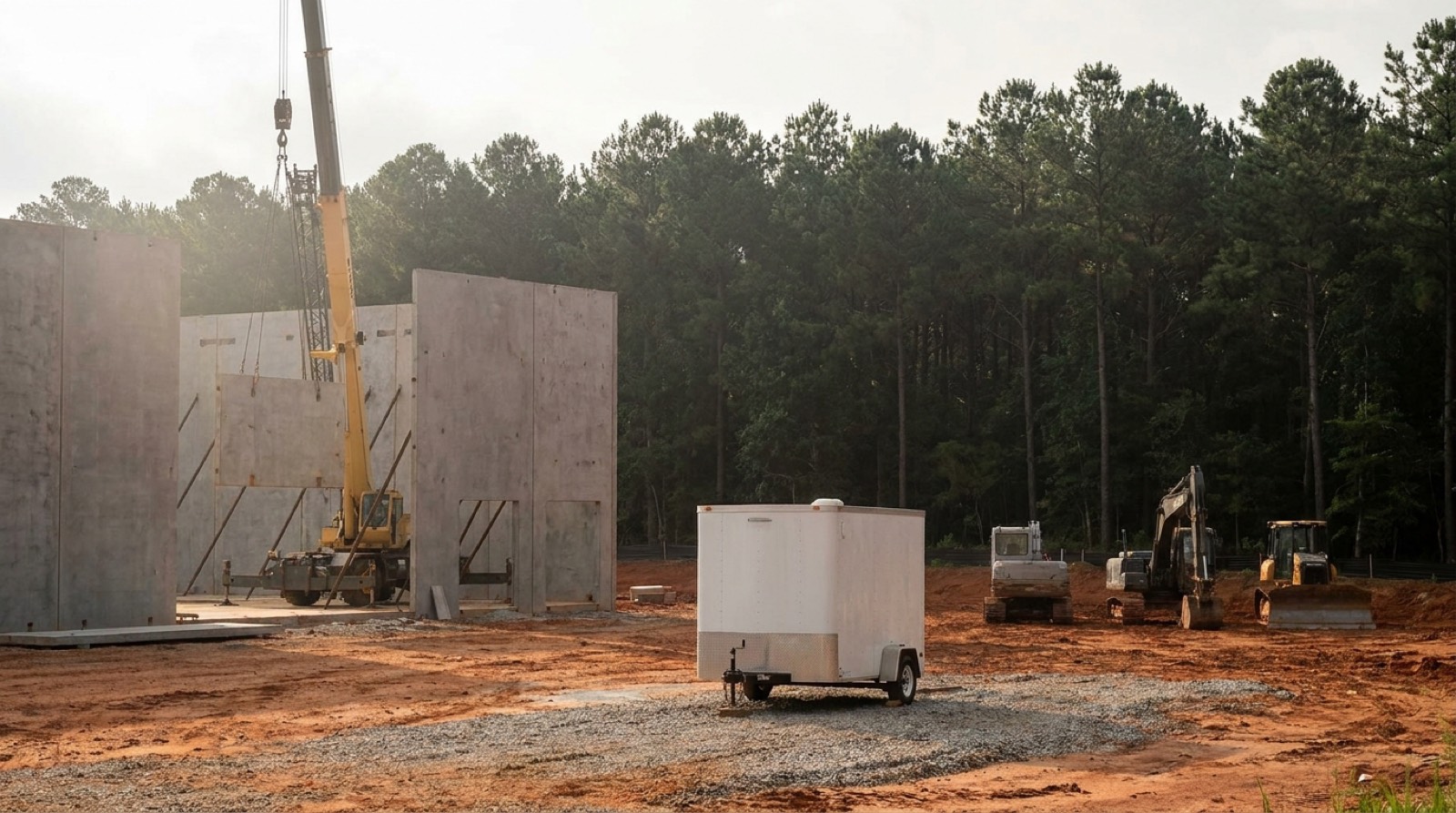
Atlanta metro and Douglas County, extending along I-20. Humid summers, long hauls between laydown and pad, and multi-phase schedules that keep facilities on site for years.
View Georgia →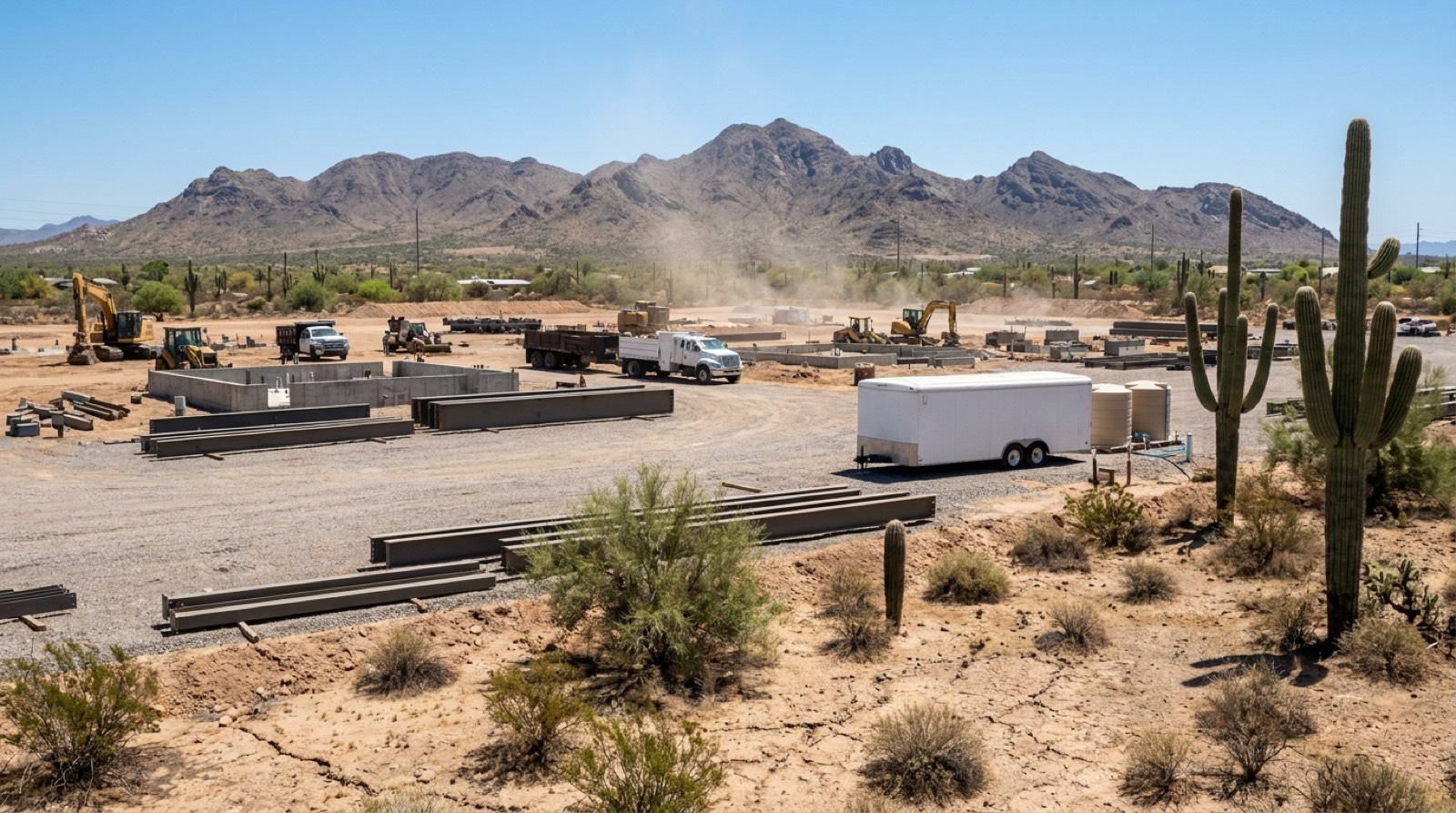
Phoenix and Mesa build through heat that regularly exceeds 110 degrees. OSHA heat-illness prevention drives water and shade requirements that our units satisfy directly.
View Arizona →Columbus and New Albany. Freeze protection and winter service access matter here in a way Sun Belt corridors never see.
View Ohio →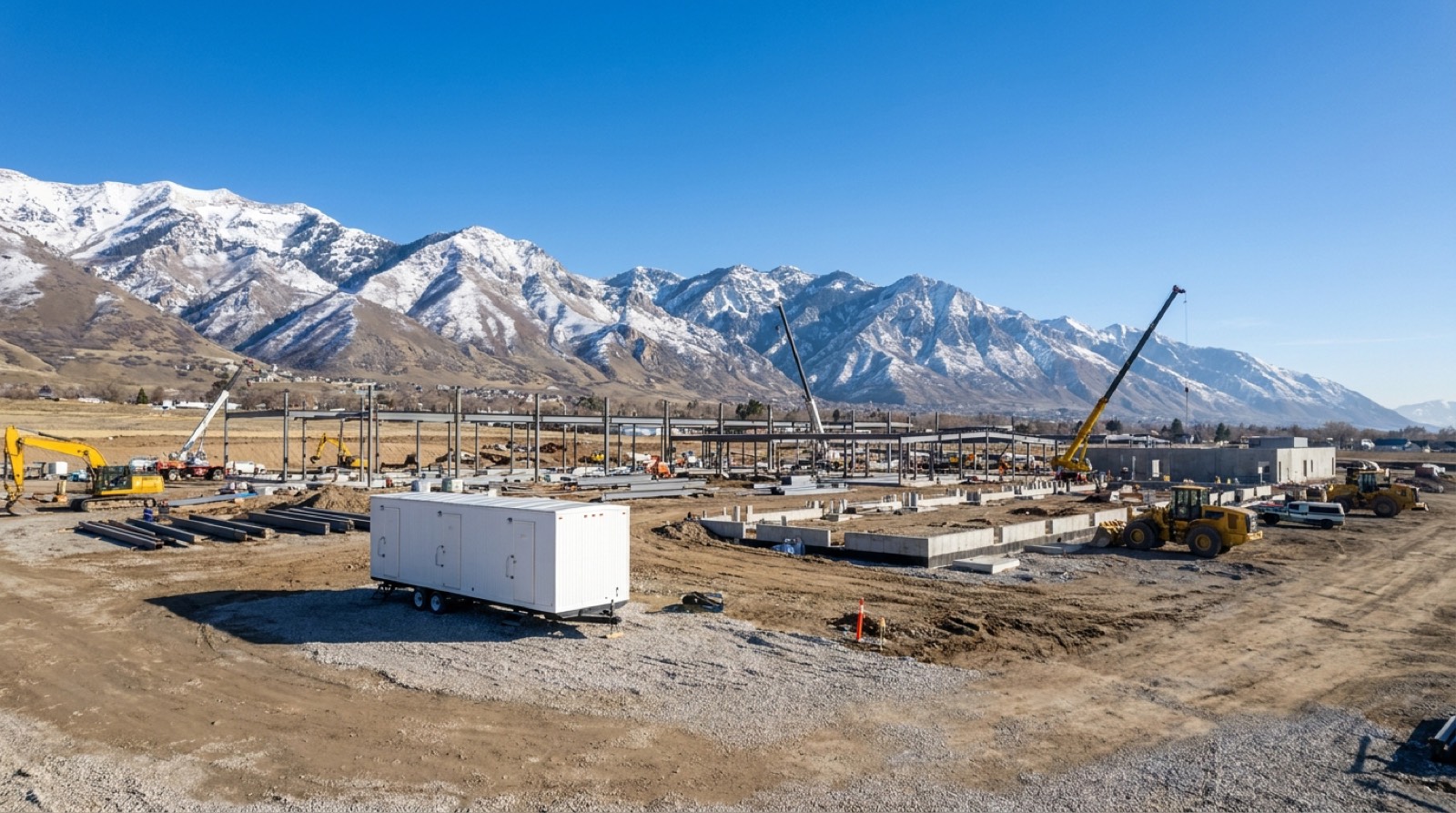
The Wasatch Front corridor runs through hard winters at elevation. Units are winterized and service intervals hold through snow.
View Utah →Go deeper
Longer reads for teams writing the site plan. Open what applies to your build.
The Columbus region, anchored by the New Albany International Business Park, has grown into one of the largest data center clusters in the country, and the buildouts run straight through Ohio winters. January in central Ohio brings average lows in the low 20s, regular single-digit nights, and wind across flat, open construction ground with nothing to slow it down. Any shower trailer working these sites from November through March has to be genuinely winterized, not just insulated on paper.
The distinction matters because water is the whole product. A trailer full of supply lines, drains, tanks, and a water heater is a collection of freeze points. One burst fitting on a Friday night means no showers Monday and a repair bill argument nobody enjoys. Real winterization eliminates the failure points instead of hoping the weather cooperates.
Start with the envelope. An insulated shell top to bottom, with skirting around the undercarriage so wind cannot strip heat from the plumbing bay. Every water line heat-traced and wrapped, including the fill line and the low-point drains that generic units leave exposed. Tank heaters or heated compartments for fresh and gray water storage, because a frozen waste tank shuts the trailer down as surely as a frozen supply. Interior heat that runs constantly, with enough capacity to hold the changing area warm when the door is cycling eighty times in an hour.
Ask vendors specific questions. Which lines are traced, at what wattage, on what thermostat. What happens during a power interruption overnight. Who monitors freeze protection on the weekend. The answers separate winter-ready equipment from equipment that merely looks similar in a brochure photo.
Cold-weather crews need showers for different reasons than summer crews. Concrete finishing, fireproofing, drywall, and paint phases coat workers regardless of season. A worker who spends ten hours in insulated layers sweats inside them all day, and stepping into a 15-degree wind while damp is how people get sick and quit showing up. A warm shower and dry clothes before the drive home is a genuine retention tool through an Ohio winter, and the trades notice which sites provide it.
The Columbus market keeps expanding, with campuses spreading toward Johnstown and Circleville, and skilled trades getting pulled between projects. Winter site conditions are part of how crews rank jobs. We keep our Ohio fleet winterized to the standard this climate actually demands, service it on a schedule that assumes hard freezes, and stand behind it through the coldest weeks. Get the trailer question settled before Thanksgiving and the whole season goes smoother.
Twenty degrees is the number to plan around in central Ohio. Not the record low, just the routine January night that arrives a few dozen times each winter. A shower trailer survives that night on the strength of a dozen unglamorous details working together, and it takes exactly one weak detail to fail. Here is what the system looks like when it is done properly, so you can hold any vendor to it.
Heat trace is the backbone. Self-regulating trace cable runs the length of every water line, under insulation, powered whenever temperatures approach freezing. The lines people forget are the ones that burst. Fill connections, exterior hose runs, pump housings, drain traps, and the short stub between the tank and the trailer. Tracing the obvious lines and skipping the stubs is the most common winterization failure we see on competitor equipment that we get called to replace mid-season.
Skirting matters more than most people expect. An open undercarriage lets wind scour the plumbing bay and can pull effective temperatures far below the air reading. Rigid skirting with sealed corners turns the underbelly into a semi-conditioned space where trace heat can actually hold. Combine that with an insulated floor and the trailer's most vulnerable zone becomes its most protected.
Tanks need their own plan. Fresh water storage freezes from the top and the fittings first. Gray water tanks freeze at the outlet valve, which turns a scheduled pump-out into an ice problem. Heating pads and insulated jackets protect the tanks themselves, and traced valve boxes protect the outlets. The vacuum truck also needs a plowed, salted approach, because winter service fails on access as often as on equipment.
All of this protection runs on electricity, so the power plan is the real freeze plan. Trace circuits and tank heaters should be on identified breakers, clearly labeled, with the site electrician briefed that those circuits stay hot over weekends and holidays. A trailer unplugged on Friday afternoon by a well-meaning worker is a burst pipe by Sunday. Where site power is unreliable, we spec backup heat sources and check-in schedules for cold snaps.
The last piece is human. Somebody has to own freeze watch during the stretch between Christmas and New Year when the site sits empty and the temperature drops. Our winter service agreements include cold-weather monitoring visits for exactly that window. Ask any prospective vendor who is physically checking the unit on January 1st. The answer tells you everything about whether their winterization is a system or a sticker.
Every Ohio superintendent knows the sequence. Late February warms up, the frost comes out of the ground, and a site that was frozen solid becomes a churned brown mess for six weeks. Central Ohio's clay-heavy soils hold water near the surface, and construction traffic works it into a paste that swallows boots to the ankle. March and April on a Columbus-area data center site put more mud on more workers than any other stretch of the calendar.
Mud season is when shower trailer usage spikes, and it is also when the trailer itself is most at risk of becoming unusable. Eighty workers tracking clay paste through a changing area can overwhelm the interior in two days. Managing the transition from mud to shower is a small logistics problem worth solving deliberately.
The ground around the trailer decides everything. A unit set on a stone pad with geotextile underneath stays serviceable through the thaw. A unit on bare ground develops a moat, and workers arrive dirtier at the door than they were on the pad. Build the gravel apron generous, slope it away from the entrance, and refresh it once during the season because the first thaw will eat some of it.
Then intercept the mud before the door. A boot scrape rack and a boot wash station outside the entrance remove the worst of it. A covered transition area, even a simple canopy, gives workers a place to shed muddy outer layers before stepping inside. Some crews stage a boot-swap bench, work boots outside, dry footwear inside. Every pound of clay stopped at the threshold is a pound the cleaning crew does not fight later.
Interior cleaning needs a mud season schedule. Floors, drains, shower pans, and thresholds take several times the sediment load of a dry month, and drain screens need clearing before grit works into the plumbing. We move Ohio units to an increased service cadence from late February through April, then step back down for summer. Waste tanks also fill faster in these weeks because rinse water per shower goes up. Plan an extra pump-out or two per month during the thaw and the schedule absorbs it.
The payoff for this attention runs beyond hygiene. Spring in the Columbus market is hiring season, when projects staff up for the year's push and trades pick between competing sites. A clean, functioning shower trailer in the muddiest weeks is visible proof that a project takes care of its people. Sites earn reputations in March that follow them all year. We help ours earn good ones.