Ohio
Office and break room trailers for Ohio data center sites
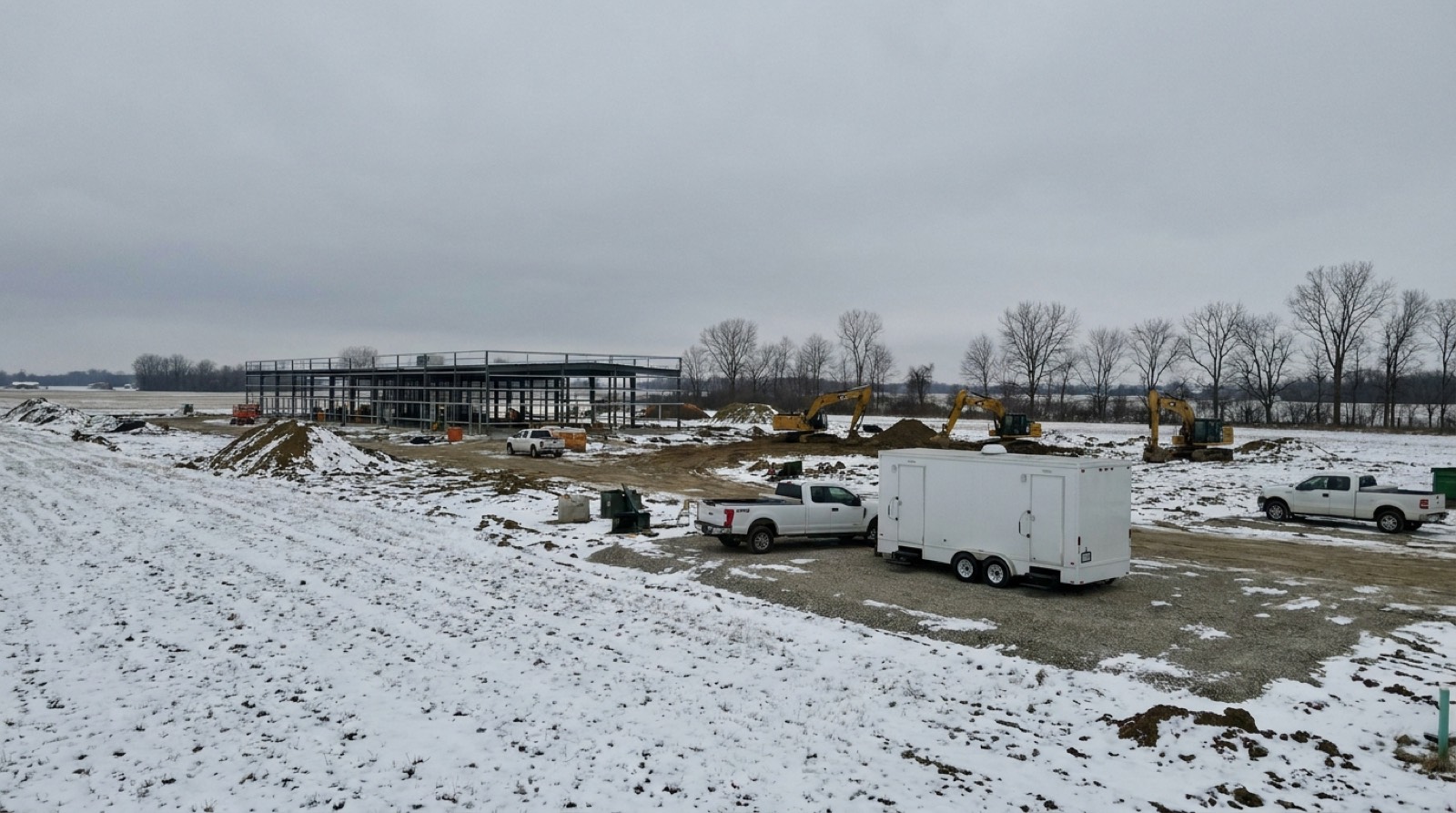
Warm-up shelters that keep winter schedules moving, and office space that runs a multi-building campus through every season central Ohio has.
Warm-up shelters that keep winter schedules moving, and office space that runs a multi-building campus through every season central Ohio has.
Cold stress works like heat stress in reverse, and central Ohio winters demand warm-up cycles the way Phoenix summers demand shade. Heated break trailers give January crews somewhere to recover feeling in their hands, and sites that provide it keep production up through the cold months instead of losing it to the weather.
New Albany campuses run building after building for years. The office cluster becomes the program's permanent address: plan rooms, owner meetings, commissioning handoffs, all in one place that outlasts any single phase.
Office and break units here run winterized, with heating sized for sustained cold and entries that keep the weather outside where it belongs.
Where we deploy
Heaviest concentration in the corridors carrying the most active data center construction, with nationwide mobilization beyond them.
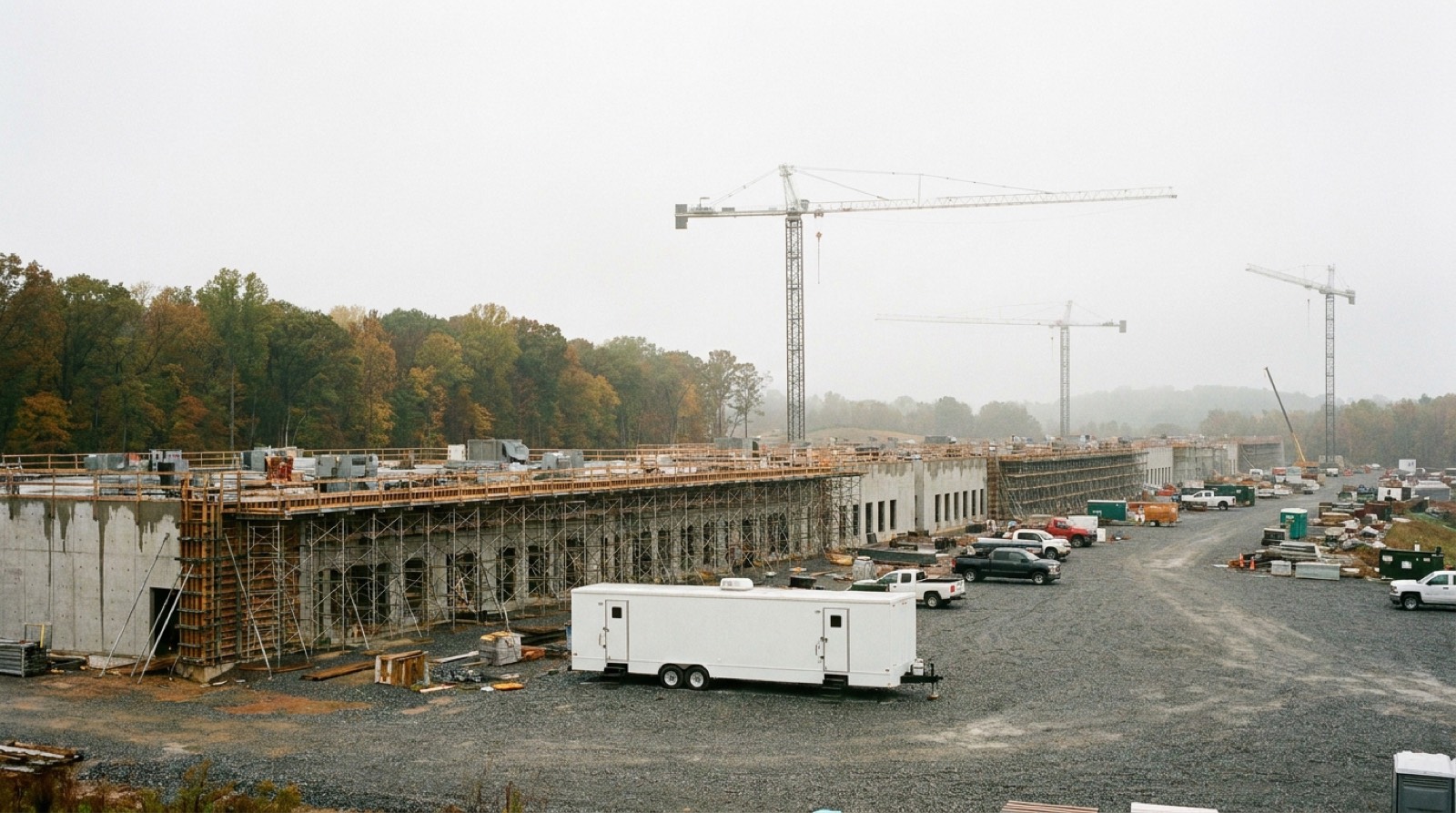
Loudoun County and Prince William run the densest data center concentration on earth. Multi-year campuses, badge-controlled access, crews in the hundreds, and facility requirements written into the subcontract.
View Northern Virginia →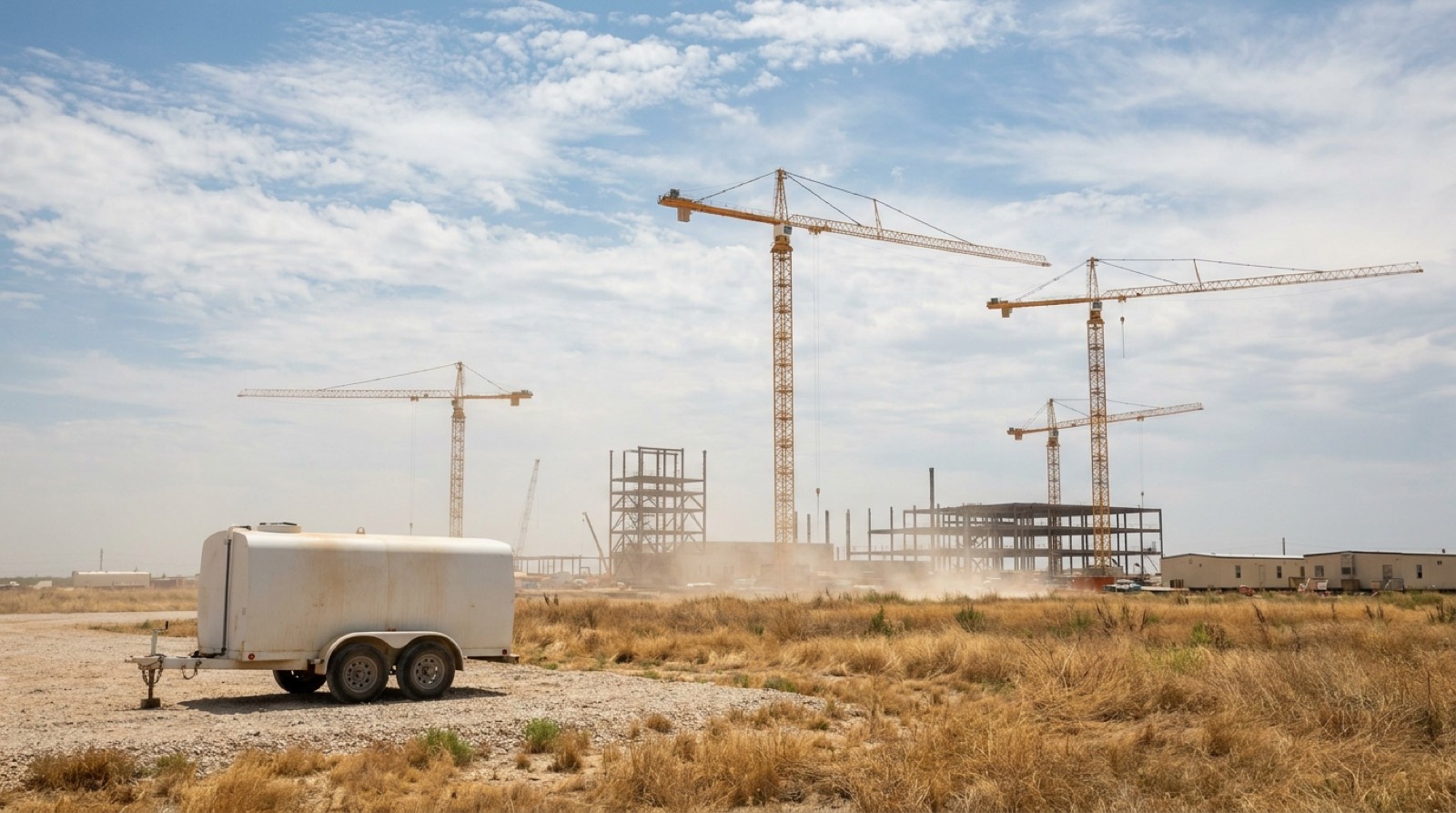
Dallas, Fort Worth, San Antonio and Abilene are carrying some of the largest campuses in the country. Summer heat makes hydration and shower capacity a safety line item, not an amenity.
View Texas →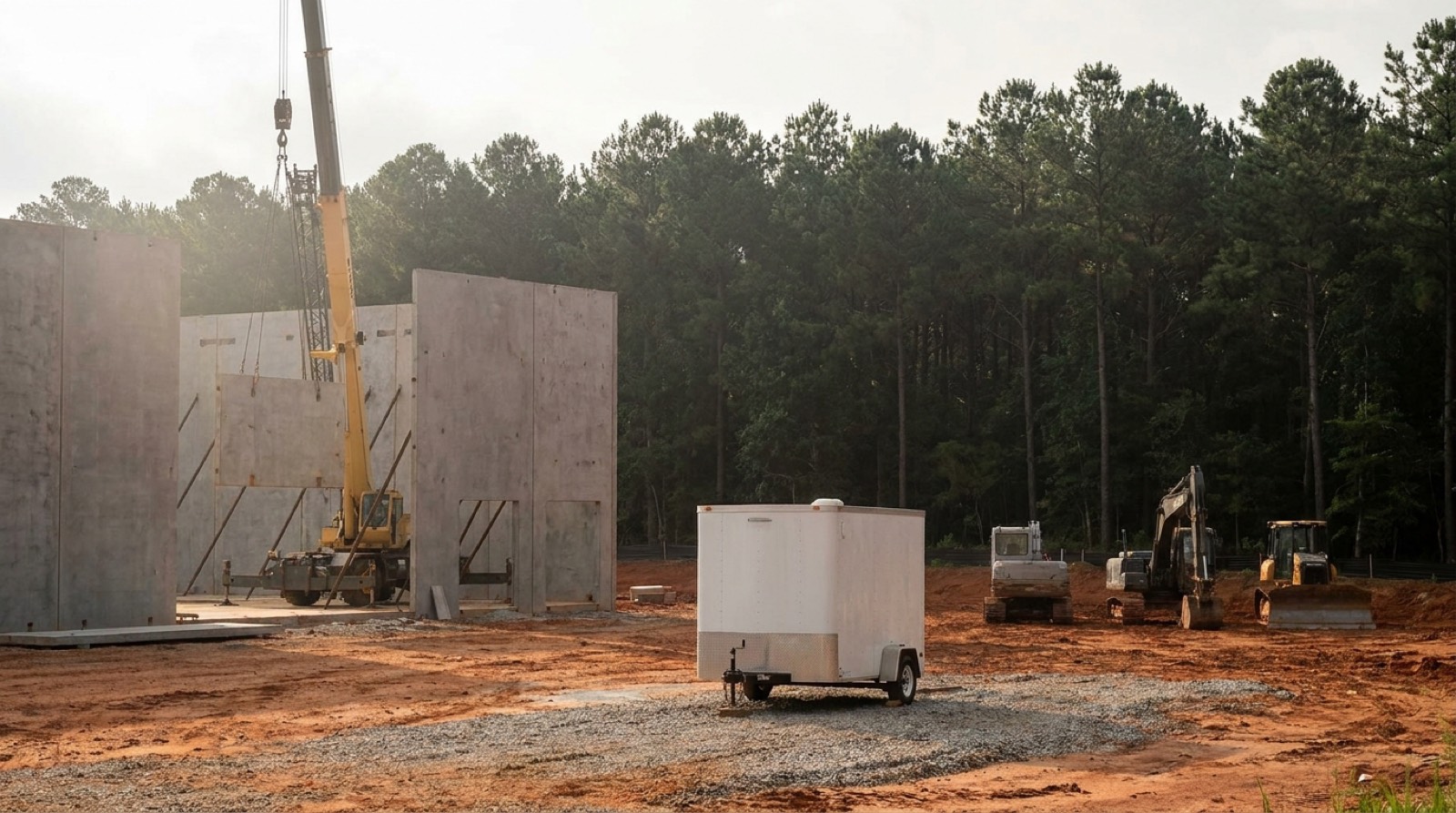
Atlanta metro and Douglas County, extending along I-20. Humid summers, long hauls between laydown and pad, and multi-phase schedules that keep facilities on site for years.
View Georgia →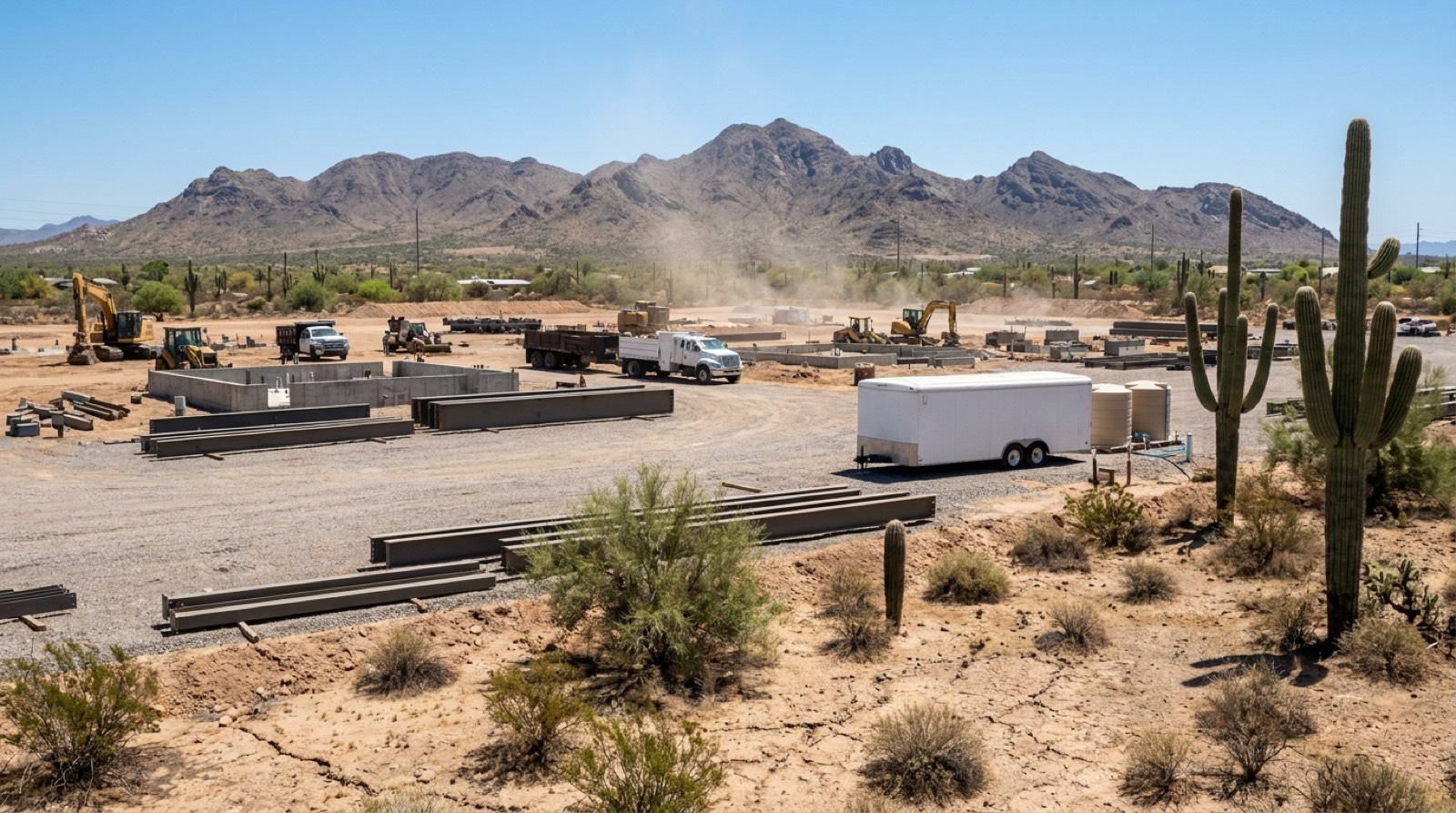
Phoenix and Mesa build through heat that regularly exceeds 110 degrees. OSHA heat-illness prevention drives water and shade requirements that our units satisfy directly.
View Arizona →Columbus and New Albany. Freeze protection and winter service access matter here in a way Sun Belt corridors never see.
View Ohio →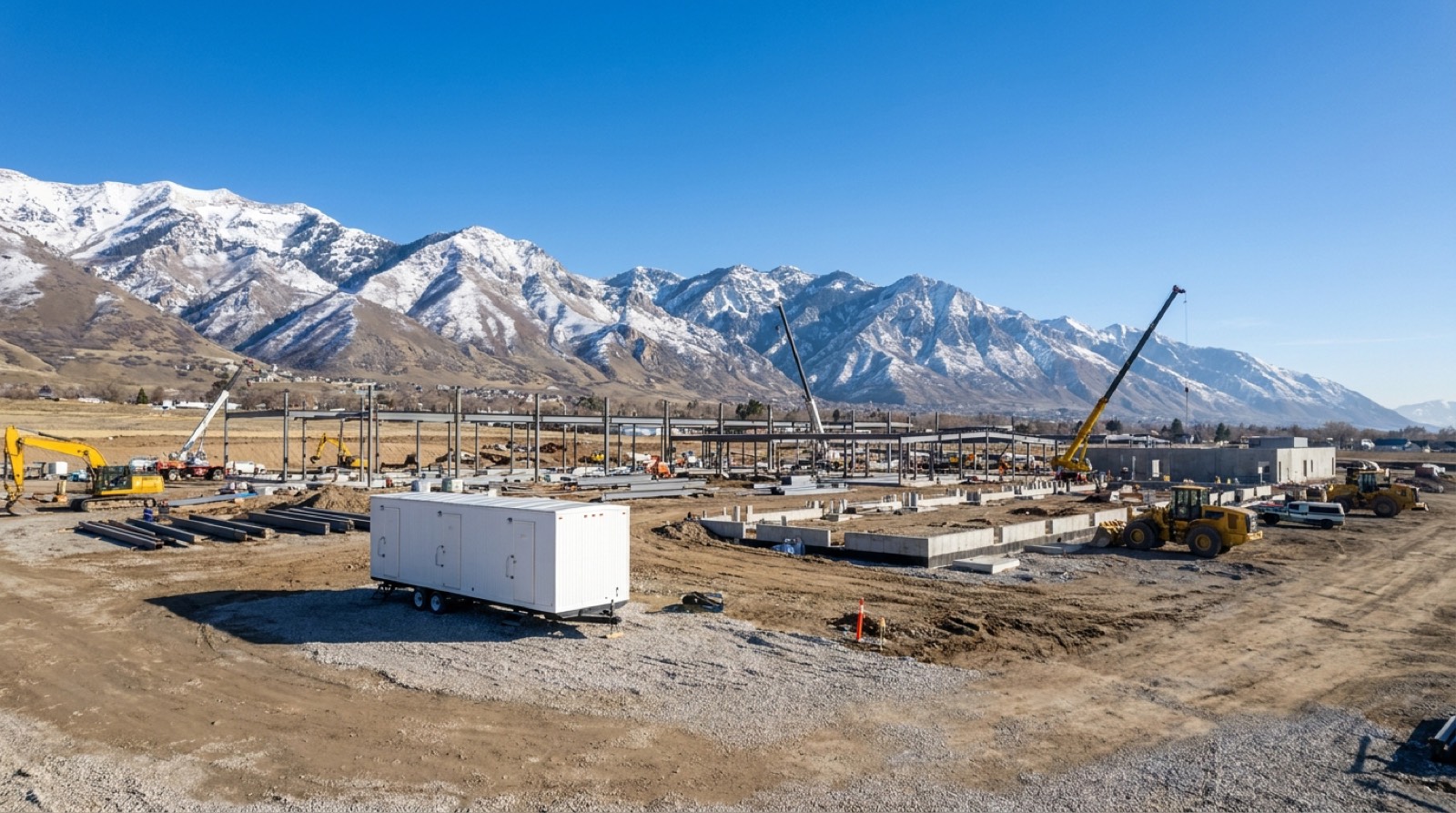
The Wasatch Front corridor runs through hard winters at elevation. Units are winterized and service intervals hold through snow.
View Utah →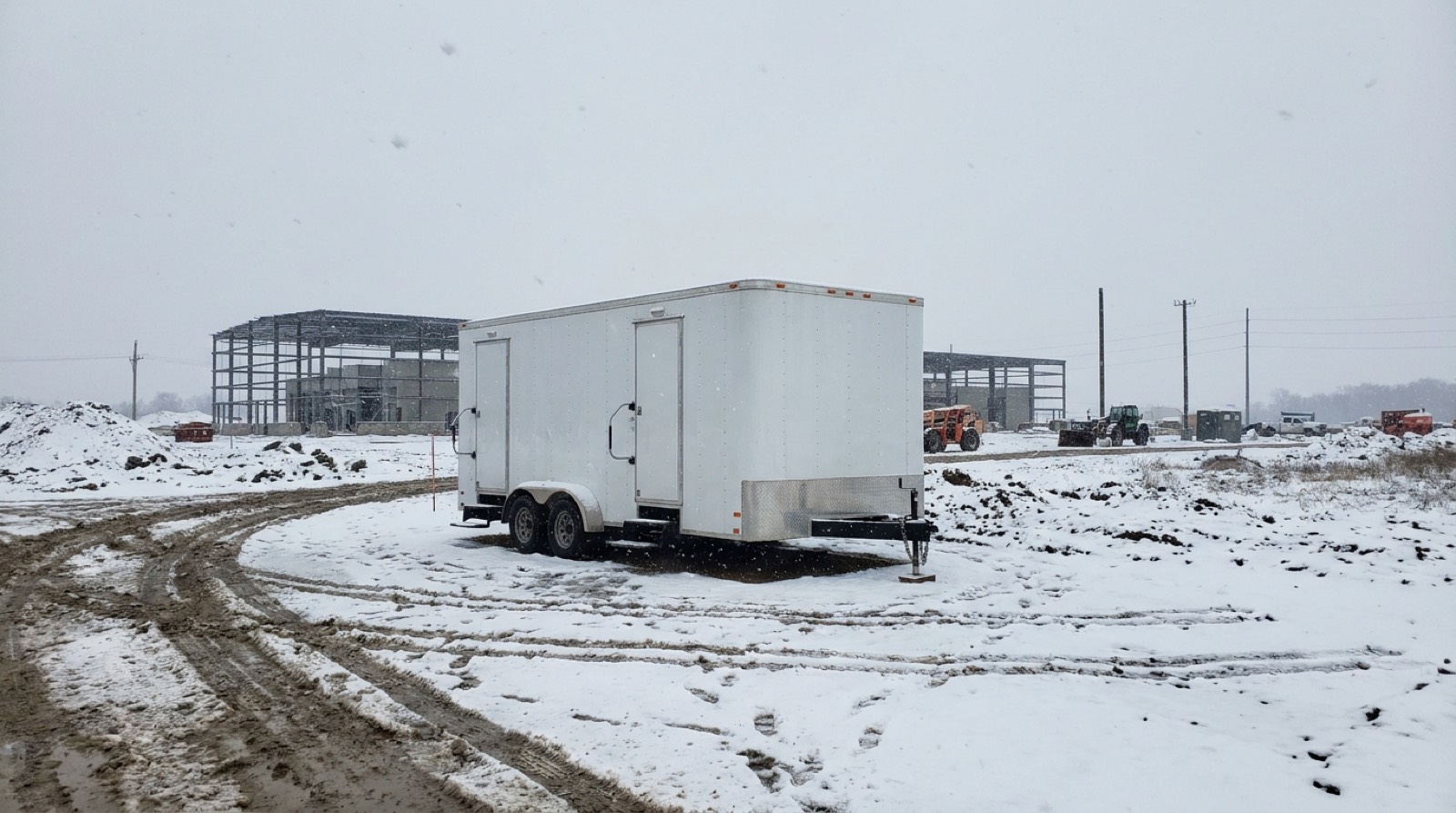
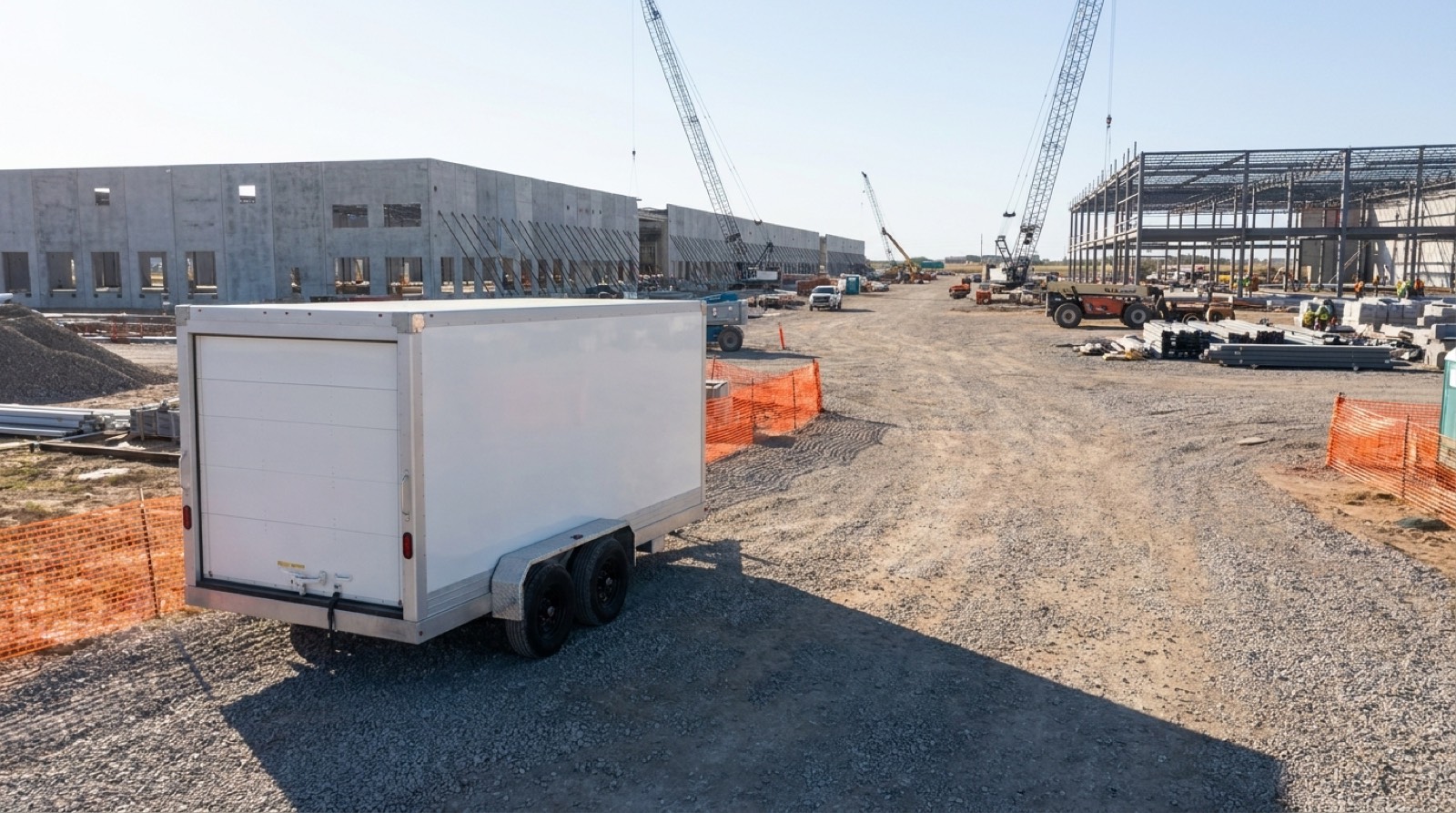
Most Ohio deployments bundle several units under one route. One contracted vendor, one dispatch, one escalation path, and a site plan that arrives already coordinated.
Extended-stay crews generate wash loads every week of the schedule. Laundry trailer rentals in Ohio keep that cycle on site instead of in a hotel sink.
Food service and ice programs live or die on cold storage at the pad. Refrigeration trailer rentals in Ohio hold setpoint through the local season.
Restroom capacity anchors the plan. Restroom trailer rentals in Ohio sit closest to the workface and set the service route that every other unit rides on.
Water is the first thing safety plans ask about. Hydration station rentals in Ohio run on the same supply logistics as the rest of the package, so adding them costs one stop, not a second vendor.
Where crews rotate in from out of the area, the end of shift is its own rush hour. Shower trailer rentals in Ohio carry that peak so the workforce goes home clean.
The full reach of our office trailer rentals program runs beyond Ohio, covering every corridor we serve.
Questions we get
Yes. Warm-up space is the cold-weather equivalent of shade, and heated break trailers keep winter crews productive and safe.
That is the normal Ohio case. The cluster becomes the program's standing address across years and buildings.
Yes. Heating sized for sustained cold, protected utilities and weather-tight entries are the default spec.
Go deeper
Longer reads for teams writing the site plan. Open what applies to your build.
Central Ohio builds data centers straight through winter. The campuses around Columbus and New Albany do not pause for January, and January does not cooperate. Sustained stretches below freezing, wind across open farmland sites, and wet cold that soaks gloves by mid-morning all put cold stress on the safety agenda. OSHA addresses cold through its general duty framework, and the accepted controls mirror the heat playbook in reverse. Warm clothing, work-rest cycles, and heated warm-up space.
The warm-up room is where a break trailer becomes winter safety equipment. A heated unit close to the work face gives crews a scheduled place to recover dexterity, dry gloves, and drink something warm. Written cold stress plans on Ohio sites increasingly name heated break areas as a specific control. That makes the trailer part of the program's evidence, not just a nice place to eat lunch.
A break unit doing warm-up duty in an Ohio winter needs more than a working furnace. Heat capacity should hold the interior comfortable with the door cycling constantly, because warm-up traffic is steady, not occasional. Entry areas take a beating from boots, slush, and ice melt, so durable flooring and a mat program keep the unit usable instead of swamped. Hooks and simple racks for drying gloves and outer layers turn a bare room into an actual recovery space.
Skirting earns its cost in this climate. An unskirted trailer loses heat through the floor all winter and exposes any plumbing to freeze risk. Skirted, anchored, and set on a drained pad, the same unit runs warmer on less power.
On the coldest days, warm-up breaks work best scheduled rather than improvised. Crews rotating through heated space every couple of hours maintain productivity and safety together. Unscheduled warm-ups tend to happen too late, after hands have already gone clumsy. Foremen running the rotation need enough seats within reach of their zone, which is the same distribution logic Texas uses for cooling, pointed the other direction.
Central Ohio's data center buildout keeps growing, and crews here will see several more winters of this work. Sites that treat heated break space as core winter equipment hold their people and their schedule through the cold months. We keep Ohio units winter-ready by default, because around Columbus, winter readiness is not a special request.
The data center campuses rising around New Albany and the wider Columbus area are not single-building jobs. They are phased programs, with buildings delivered in sequence over many years on the same ground. For the construction organizations running them, that changes the nature of the site office. It stops being a temporary camp and becomes a standing address where the program lives. New staff report there on day one. The owner expects to find the team in year four exactly where they were in year one.
Planning for that from the start pays off. A compound placed to serve only building one often ends up in the path of building three. The better move is siting the office cluster against the campus master plan, on ground no phase will need. Put it close to the permanent entrance rather than a temporary construction gate.
A compound that will stand for five Ohio winters should be set closer to permanent standards than typical temporary work. Compacted, well-drained pads that survive freeze-thaw cycling. Anchoring and skirting on every unit. Real stairs, ramps, and lighting, maintained like a facility rather than tolerated like a stopgap. Utility connections designed once, with capacity for the units the later phases will add.
Interior quality matters over that span too. Furniture, flooring, and HVAC that feel acceptable for an eight-month job wear thin over a multi-year one. Staff turnover on long programs is real, and a shabby office makes a quiet argument to every candidate who interviews in it.
A standing compound carries the program's memory. Drawing archives, quality records, commissioning documentation, and the wall where the master schedule has been marked up since the first phase all live there. When the office moves, some of that continuity frays. When it stands, each new building's team inherits a working headquarters with the history intact.
There is also a simple practical benefit. Deliveries, inspectors, utility coordinators, and hundreds of workers learn one address. In a fast-growing corridor like New Albany, where new roads and gates appear yearly, that stability removes a steady source of small confusions. We structure Ohio campus placements as long-term installations with service plans to match. The trailer that arrives for phase one is very likely still working when the program's last building energizes.
Walk the office compound on a Columbus-area data center site. The GC's staff is only part of the population. The owner's construction managers, commissioning agents, utility coordinators, and local inspectors all need working space on site. Many of them stay for months at a stretch. Central Ohio's projects tend to carry heavy owner-side presence because the campuses are large, phased, and strategically important to the companies building them.
The planning mistake is treating those seats as guests of the GC office. Owner and CM teams work best with their own defined space, their own conference room, and their own door. Mixed into the contractor's open bay, both sides lose the ability to hold a frank internal conversation, and the arrangement frays over a long program.
The clean pattern is separate office units within one coordinated compound. The GC cluster and the owner cluster sit near each other, share parking, walkways, and break facilities, and meet in a conference building both can book. Each organization leases and controls its own space, which keeps IT, security, and housekeeping responsibilities unambiguous. On phased programs this also lets each side scale independently, adding or releasing units as staffing shifts between buildings.
Agree early on who hosts the big shared meetings. The monthly executive review with twenty attendees needs the compound's largest room, and someone has to own its calendar, its monitor, and its coffee. Sorting that at mobilization avoids two years of low-grade friction.
Central Ohio's climate and geography shape the details. Owner staff often travel in from out of state. The compound benefits from good wayfinding off the highway and clearly marked visitor parking. A first-time visitor should be able to find the right office without an escort. Winter demands the same skirted, well-heated units the field crews rely on. A CM walking the site in January gets just as cold as an ironworker.
Growth is the final Ohio-specific point. The Columbus market keeps expanding, and the owner team that fits one trailer today may run a multi-building program from this compound within two years. Reserve pad space and utility capacity for that future when the compound is first graded. We set up multi-organization compounds across central Ohio and can lay out the whole arrangement, both sides included, before the first unit arrives.