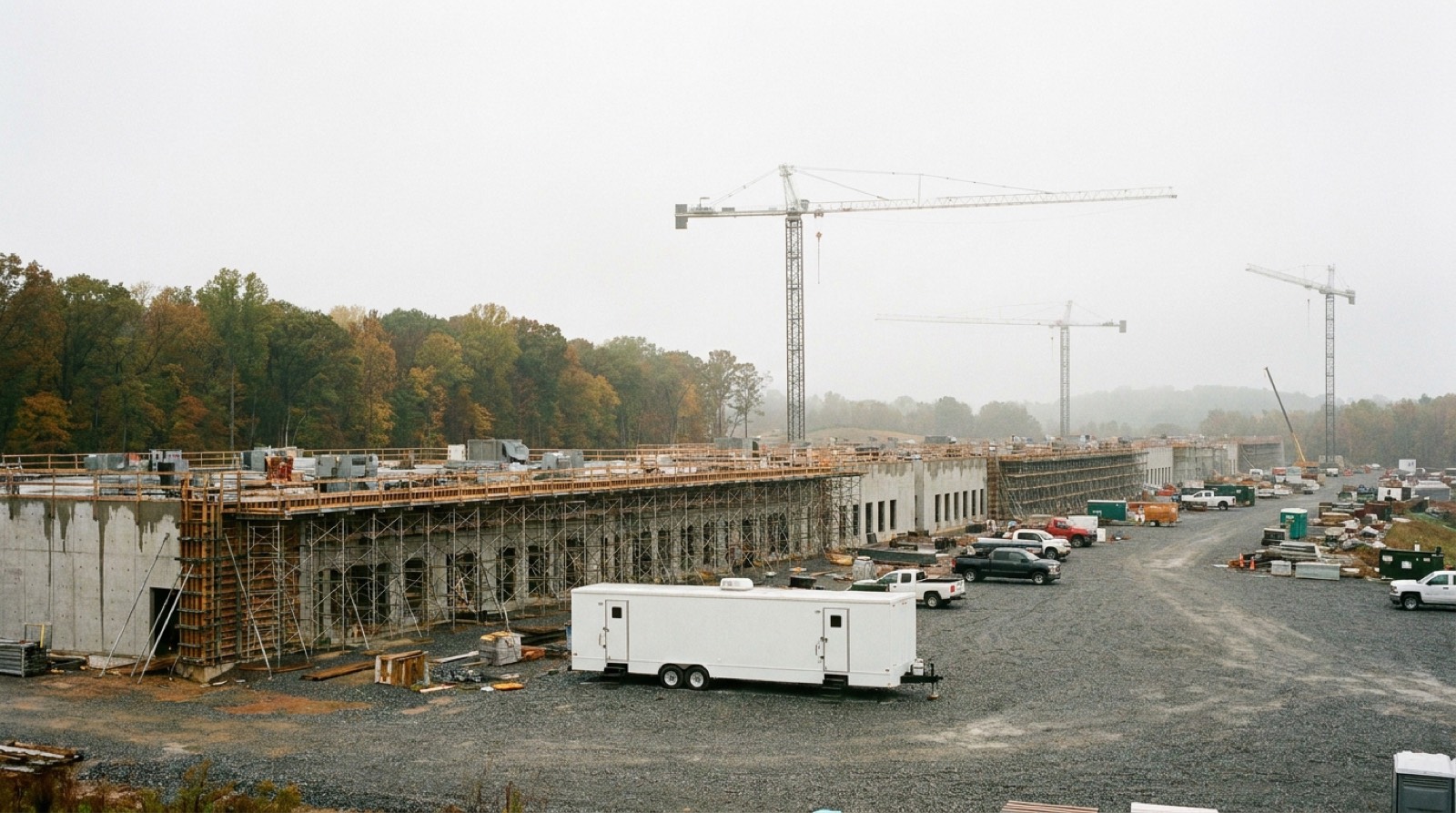
Virginia
Office and break room trailers for Virginia data center sites
Coordination space for the most crowded construction calendars in the country, where a Loudoun campus can host a dozen trades and three owner reps in the same week.
Coordination space for the most crowded construction calendars in the country, where a Loudoun campus can host a dozen trades and three owner reps in the same week.
Northern Virginia campuses run coordination at a pace most projects never see. Owner reps, commissioning agents, inspectors and a dozen trades cycle through every week. The office trailer is where that traffic gets managed. Plan reviews, badge processing, safety orientations and the daily huddle all need a room, and the room needs to be on the pad, not in a coffee shop in Ashburn.
Virginia crews often drive an hour or more each way. A real break room with climate control gives them somewhere to eat and reset without burning fuel to leave the site, which matters more when the summer air sits heavy and the winter wind cuts.
Units place near the gate with power and network drops where the site provides them, and document control stays dry, cool and organized for the years the campus takes to build.
Where we deploy
Heaviest concentration in the corridors carrying the most active data center construction, with nationwide mobilization beyond them.
Loudoun County and Prince William run the densest data center concentration on earth. Multi-year campuses, badge-controlled access, crews in the hundreds, and facility requirements written into the subcontract.
View Northern Virginia →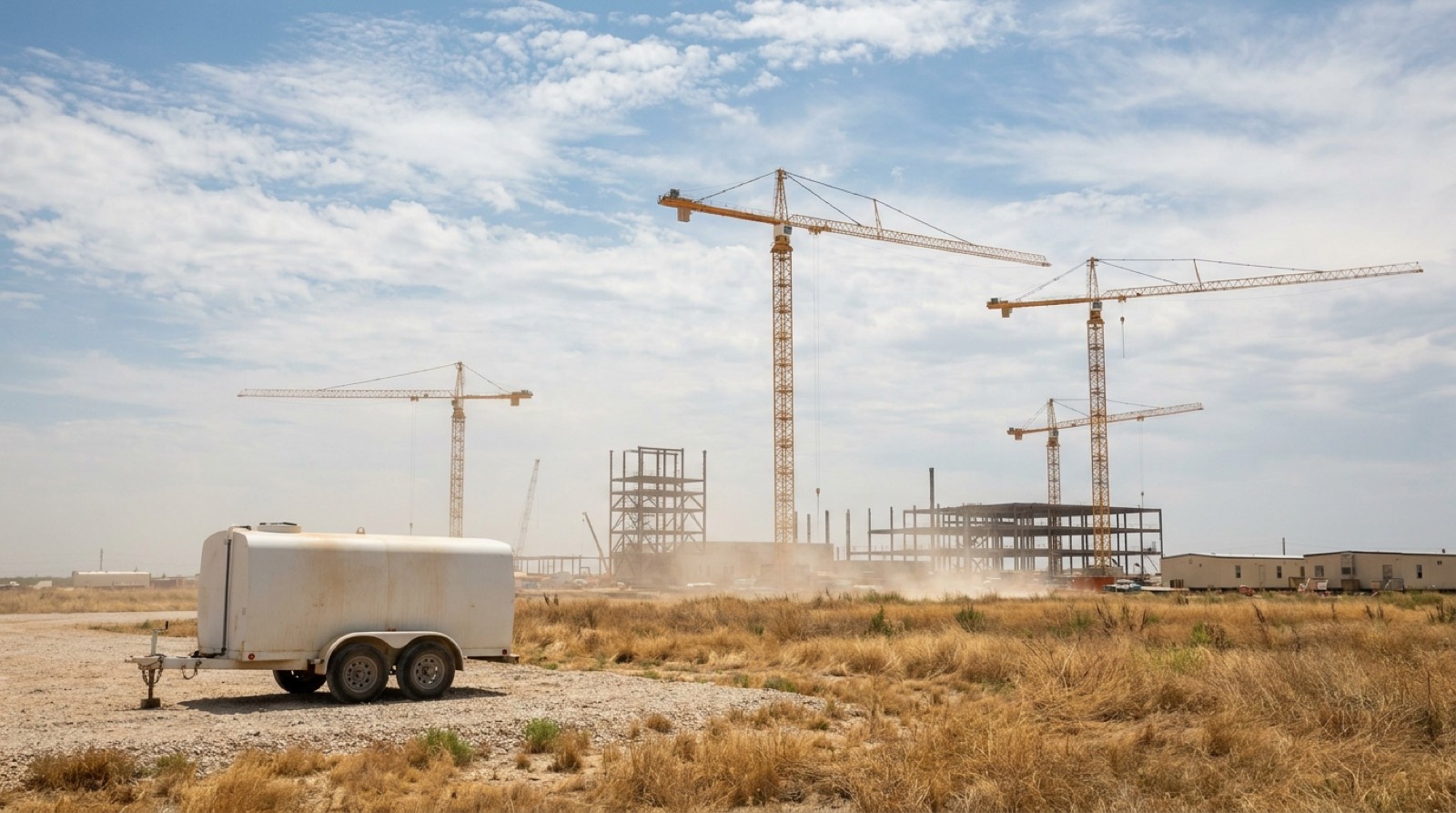
Dallas, Fort Worth, San Antonio and Abilene are carrying some of the largest campuses in the country. Summer heat makes hydration and shower capacity a safety line item, not an amenity.
View Texas →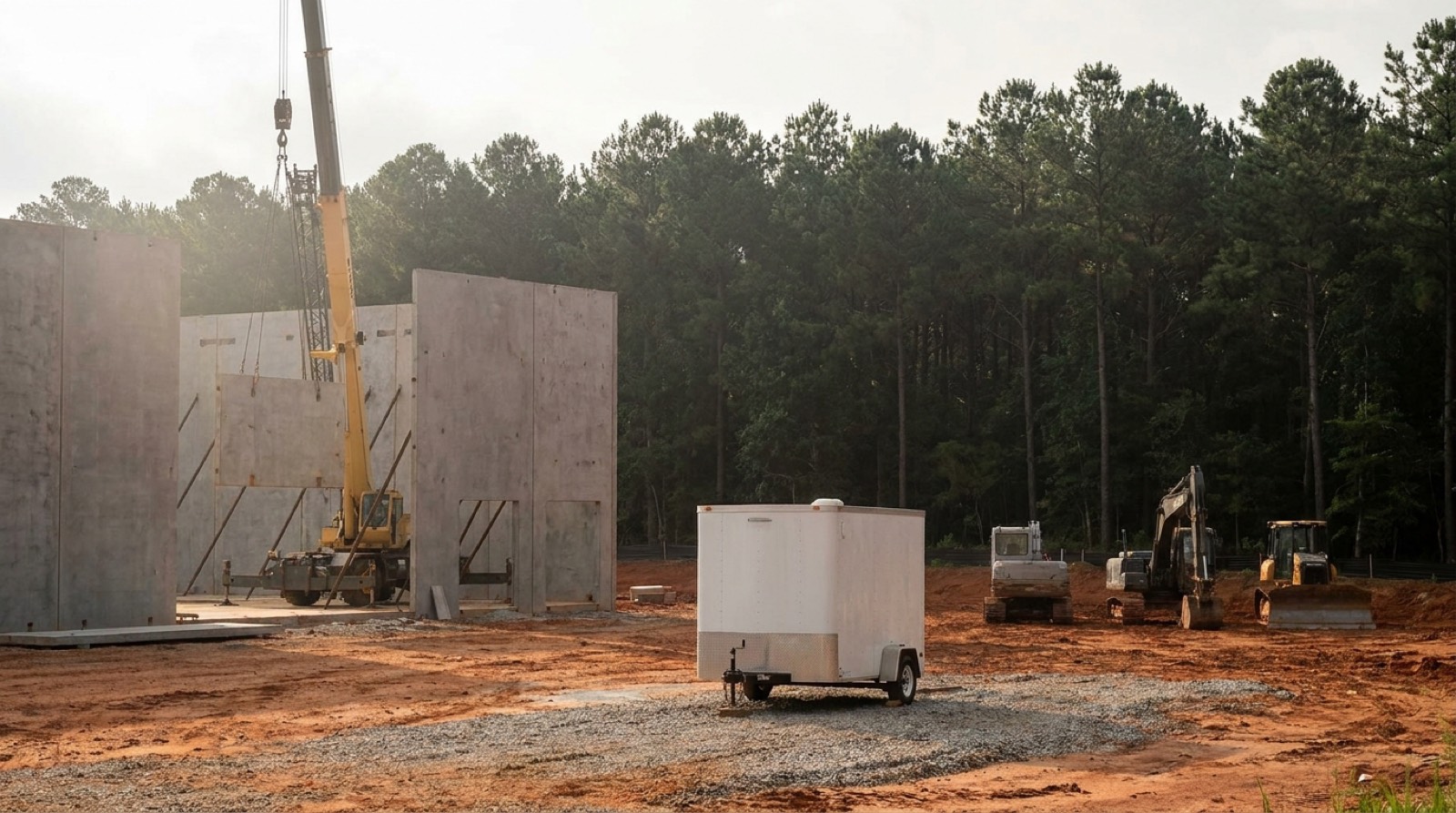
Atlanta metro and Douglas County, extending along I-20. Humid summers, long hauls between laydown and pad, and multi-phase schedules that keep facilities on site for years.
View Georgia →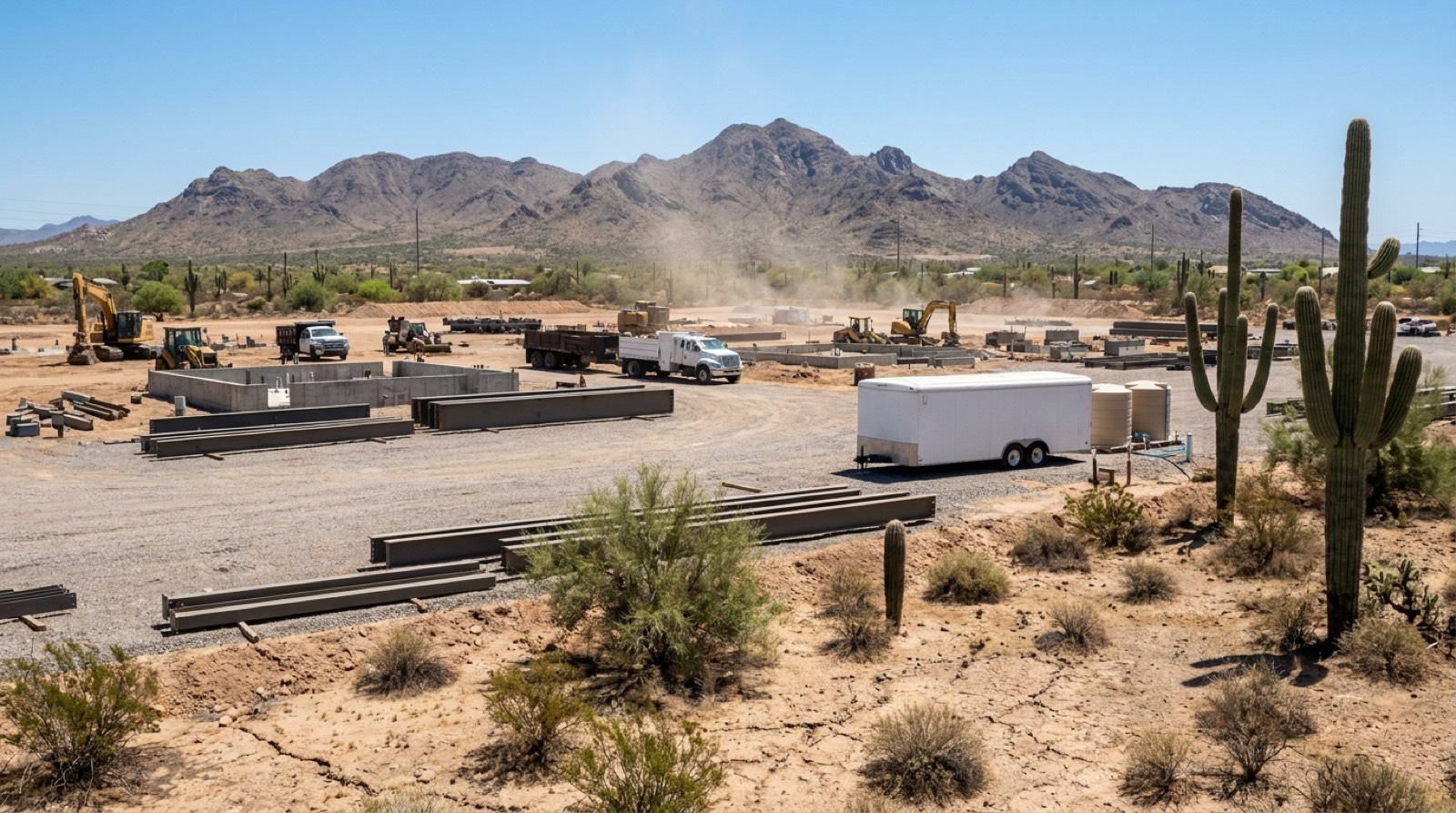
Phoenix and Mesa build through heat that regularly exceeds 110 degrees. OSHA heat-illness prevention drives water and shade requirements that our units satisfy directly.
View Arizona →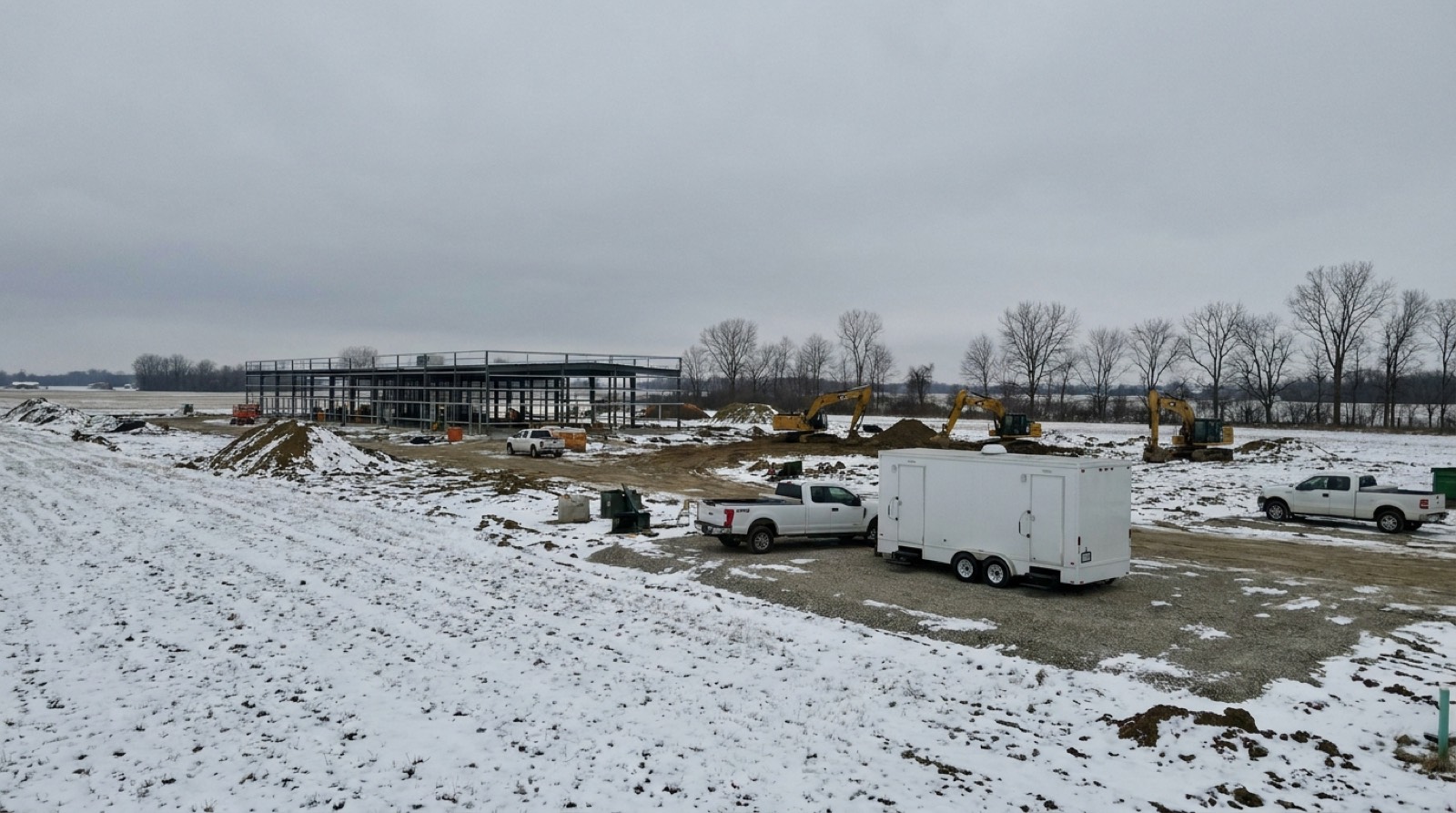
Columbus and New Albany. Freeze protection and winter service access matter here in a way Sun Belt corridors never see.
View Ohio →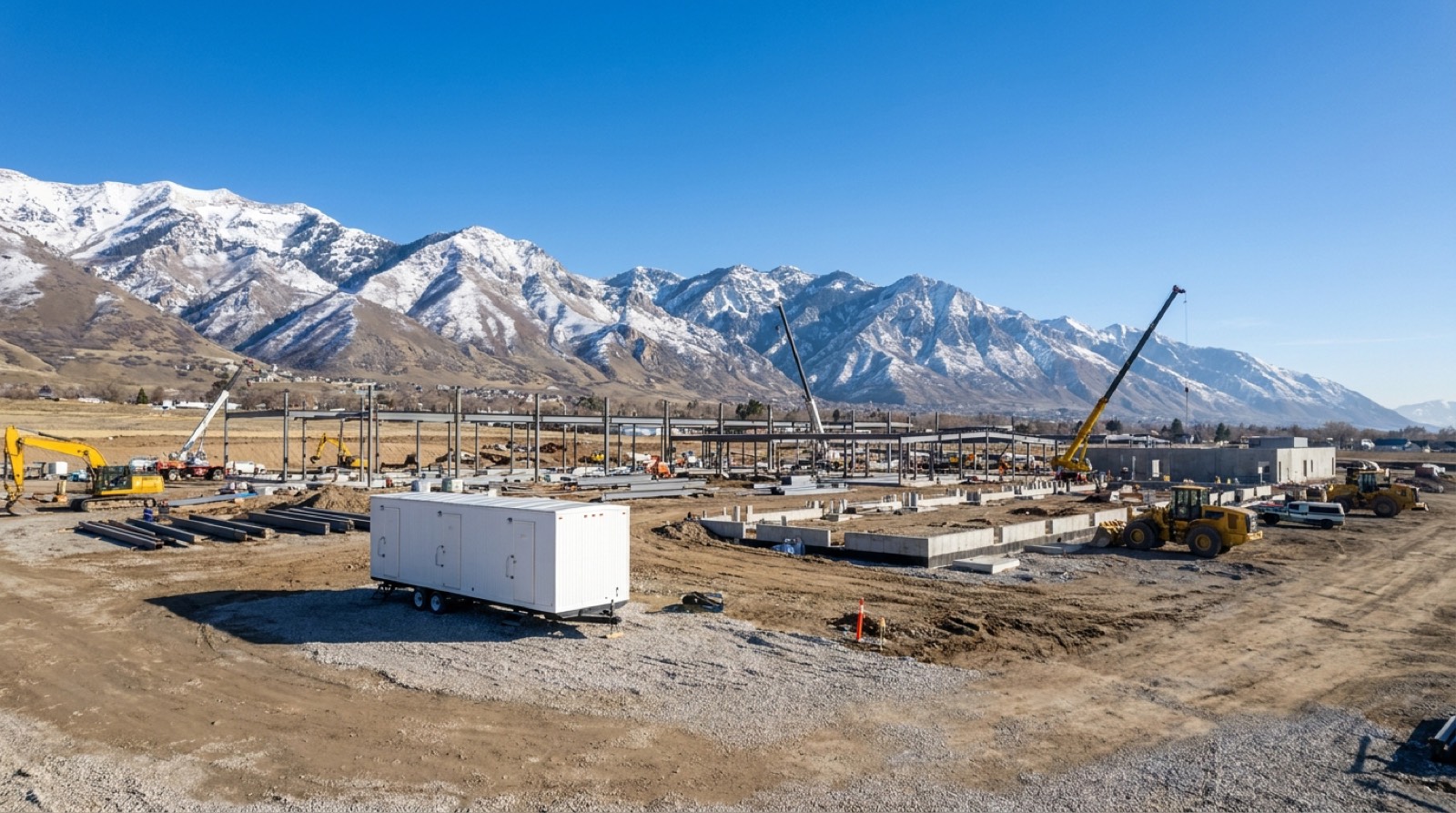
The Wasatch Front corridor runs through hard winters at elevation. Units are winterized and service intervals hold through snow.
View Utah →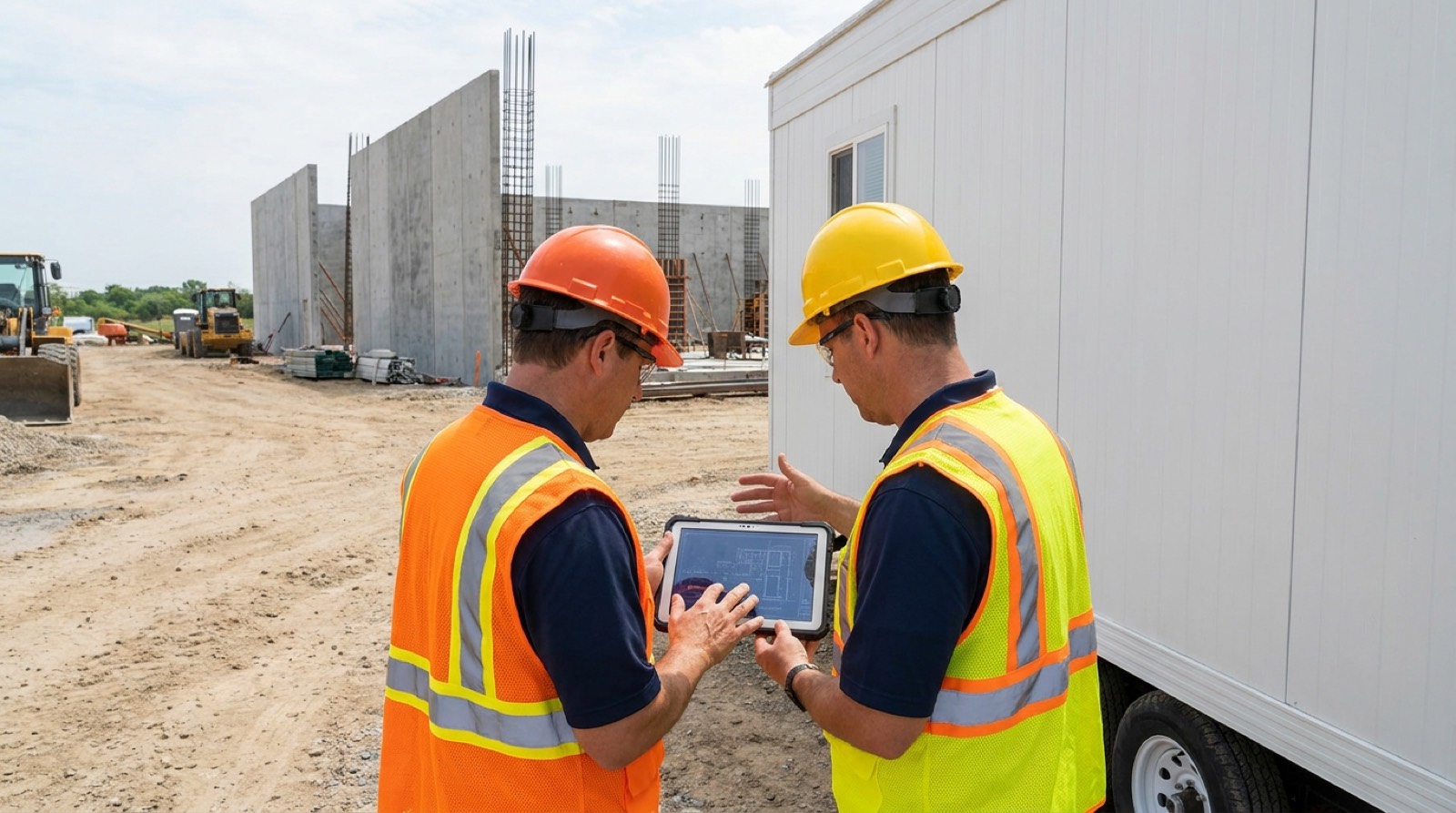
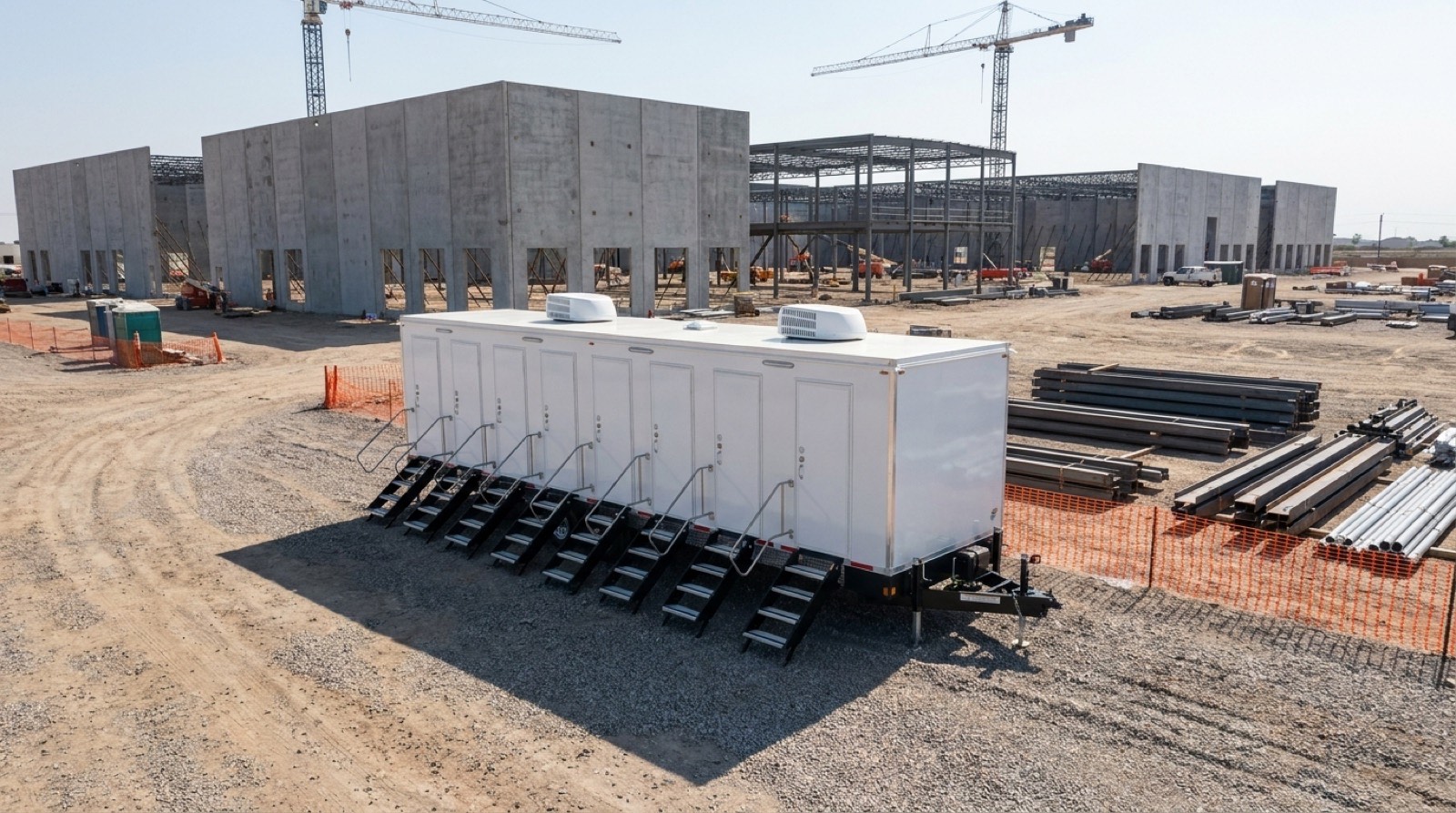
Most Virginia deployments bundle several units under one route. One contracted vendor, one dispatch, one escalation path, and a site plan that arrives already coordinated.
Food service and ice programs live or die on cold storage at the pad. Refrigeration trailer rentals in Virginia hold setpoint through the local season.
Restroom capacity anchors the plan. Restroom trailer rentals in Virginia sit closest to the workface and set the service route that every other unit rides on.
Water is the first thing safety plans ask about. Hydration station rentals in Virginia run on the same supply logistics as the rest of the package, so adding them costs one stop, not a second vendor.
Where crews rotate in from out of the area, the end of shift is its own rush hour. Shower trailer rentals in Virginia carry that peak so the workforce goes home clean.
Extended-stay crews generate wash loads every week of the schedule. Laundry trailer rentals in Virginia keep that cycle on site instead of in a hotel sink.
The full reach of our office trailer rentals program runs beyond Virginia, covering every corridor we serve.
Questions we get
That is their main Virginia job. Multi-room configurations give the superintendent an office and the project a meeting room, on the pad where the work is.
Yes. Crews driving an hour each way eat on site, and a climate-controlled break room keeps them rested without leaving the gate.
For the life of the program. Multi-year placements are the normal Virginia case, with units swapped or added as the management team grows.
Go deeper
Longer reads for teams writing the site plan. Open what applies to your build.
Loudoun County calls itself Data Center Alley for a reason. More data center capacity operates in this stretch of Northern Virginia than anywhere else in the world. Construction has pushed outward into Prince William County and beyond. For the contractors building it, that density has a practical meaning. Multiple projects run within a few miles of each other, supervision teams are large, and the site office is the nerve center holding it together.
A Northern Virginia data center GC office is rarely small. Count the general contractor's staff and the owner's representatives, then add the commissioning team. Twenty to forty people can need desks on a single building. Sizing the office cluster for that reality at mobilization beats squeezing people in later.
Virginia data center projects carry a coordination burden that surprises teams coming from other markets. County inspections, utility coordination with the local power provider, and the owner's own quality gates all generate meetings. Then commissioning arrives and the meeting count doubles. The office plan should include at least two conference rooms per major building, one sized for a dozen people and one for small working sessions.
Drawing review space matters just as much. Electrical and mechanical packages on these buildings run to hundreds of sheets. A plan table, a large monitor, and wall space for schedules turn a trailer into a working coordination hub instead of a place people check email.
Northern Virginia gives a site all four seasons. Humid 95-degree summers, ice storms, and the occasional heavy snow all pass through a multi-year build. Office and break trailers here need HVAC sized for both ends of that range. Setup details like skirting and proper drainage keep them solid through freeze-thaw cycles that heave poorly set units.
The long haul is the other Virginia reality. Campuses in Loudoun and Prince William are built in phases over many years, and site offices often stand longer than the average commercial lease. We set units here expecting a multi-year stay. That means anchored installations and real stairs and ramps at every door. It also means service that keeps HVAC and doors working in year three like they did in month one. When the next building starts, the office is already in place. The team that runs it never missed a day.
Most Northern Virginia data center campuses run badge control from the first fence panel. Every worker, every delivery, and every visitor passes through a controlled gate, often with a guard booth and turnstiles before the first day of steel. That security posture changes where site trailers can go and how they get there. The office cluster usually lands just inside or just outside the badge line, and the choice matters more than it looks.
Offices outside the badge line let owner reps, inspectors, and vendors reach meetings without full site credentials. Offices inside keep supervision close to the work. Many large campuses do both, with a visitor-facing office near the gate and working superintendent space deeper in. Decide before the fence goes up, because moving a trailer across a badge line later means re-planning power, data, and parking all at once.
Getting a 60-foot trailer through a controlled gate is not a casual drop-off. Escort requirements, delivery windows, insurance certificates, and driver credentials all need arranging in advance. We handle this routinely in Loudoun and Prince William, and the pattern is consistent. Book the delivery window early, send driver information ahead, and have the crane or set crew badged or escorted before the truck arrives.
The same applies to service visits afterward. An HVAC tech who cannot clear the gate does not fix the heat. Ask your facilities vendor how they handle credentialed service before you sign, not after the first cold morning.
Badge control also shapes break facilities. When leaving the fence takes ten minutes each way, workers cannot realistically reach off-site food or rest during a break. That pushes break trailers, water, and sanitation inside the fence, close to the work face. On a campus with several buildings underway, each active building typically needs its own break capacity rather than one central area everyone hikes to.
Plan the interior locations with the security team in the room. They care about sight lines, camera coverage, and keeping break areas clear of restricted zones near energized infrastructure. Bringing them in early turns them into allies who help find good pads. Surprising them with an unplanned trailer next to a substation does the opposite. On Virginia campuses, the projects that run smoothest treat security as a design input from day one, and the trailer plan is part of that.
A data center build in Loudoun or Prince William County ramps harder than most construction. Sitework starts with a modest team. Then the building dries in and the electrical rooms open up. Suddenly the site holds hundreds of electricians and pipefitters, with controls techs behind them. Each trade brings its own field office needs. The general contractor's own staff can triple between notice to proceed and commissioning. An office plan that only fits the month-one team will fail publicly, in front of the owner, by month ten.
The fix is to plan office space in stages that match the schedule. Stage one covers sitework and structure with a primary GC unit. Stage two adds space when MEP trades mobilize. Stage three covers the commissioning surge, when owner and third-party agents arrive in numbers and every one of them needs a desk and a meeting seat.
Land is the scarce resource on a Virginia data center site. Laydown, parking, and stormwater controls compete for every acre outside the building footprint. The teams that scale smoothly reserve trailer pads for stages two and three on the earliest site logistics plan. Power stubs and data conduit go in while trenching is cheap. The pad sits empty for a year, and nobody minds.
Teams that skip this step end up wedging trailers into leftover corners, far from the gate, on ground that was never prepared. The cost is not the trailer. It is two years of supervisors walking ten minutes each way to answer a question.
The GC cluster is only part of the picture. On a large Northern Virginia job, the electrical contractor alone might staff an office rivaling the GC's, and mechanical, fire protection, and controls follow. Someone has to decide where those units go, how they get power, and whose name is on each lease. Sorting that in a mobilization meeting avoids the slow accumulation of trailers in whatever spot each sub could find.
A single coordinated cluster, laid out with parking and walkways, serves everyone better than a scattered village. It also presents well, which matters in this market. Owners here walk their sites constantly, and the state of the trailer compound is the first thing they see. We help teams lay out the full cluster at the start, so growth follows a plan instead of filling gaps.