Virginia
Laundry trailer rentals for Virginia data center sites
Weekly wash capacity for the extended-stay trades that build Data Center Alley, without giving up a Saturday to a laundromat in Sterling.
Weekly wash capacity for the extended-stay trades that build Data Center Alley, without giving up a Saturday to a laundromat in Sterling.
Plenty of the workforce building Loudoun and Prince William lives out of extended-stay hotels for months. Their one day off should not go to hunting a laundromat. On-site washers and dryers give traveling trades their weekend back, and on multi-year Virginia programs that quality-of-life math shows up in who stays on the job.
Virginia humidity means shirts come off the site soaked from June to September. Wash volume climbs with the heat index, and machine counts here get sized for the summer curve.
Badged campuses govern where units sit and when service rolls. Laundry placements follow the same access-window discipline as everything else we run in this corridor.
Where we deploy
Heaviest concentration in the corridors carrying the most active data center construction, with nationwide mobilization beyond them.
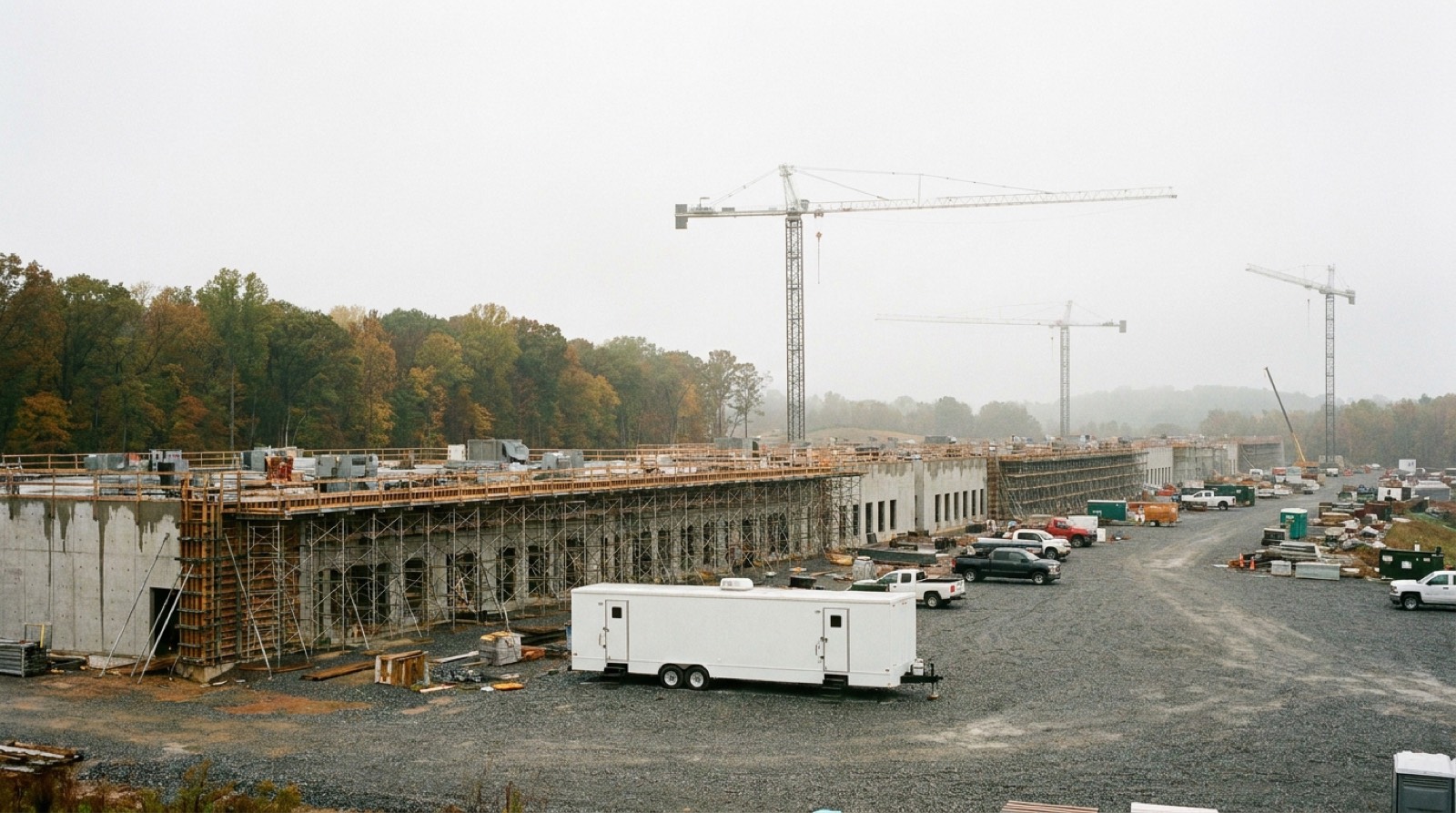
Loudoun County and Prince William run the densest data center concentration on earth. Multi-year campuses, badge-controlled access, crews in the hundreds, and facility requirements written into the subcontract.
View Northern Virginia →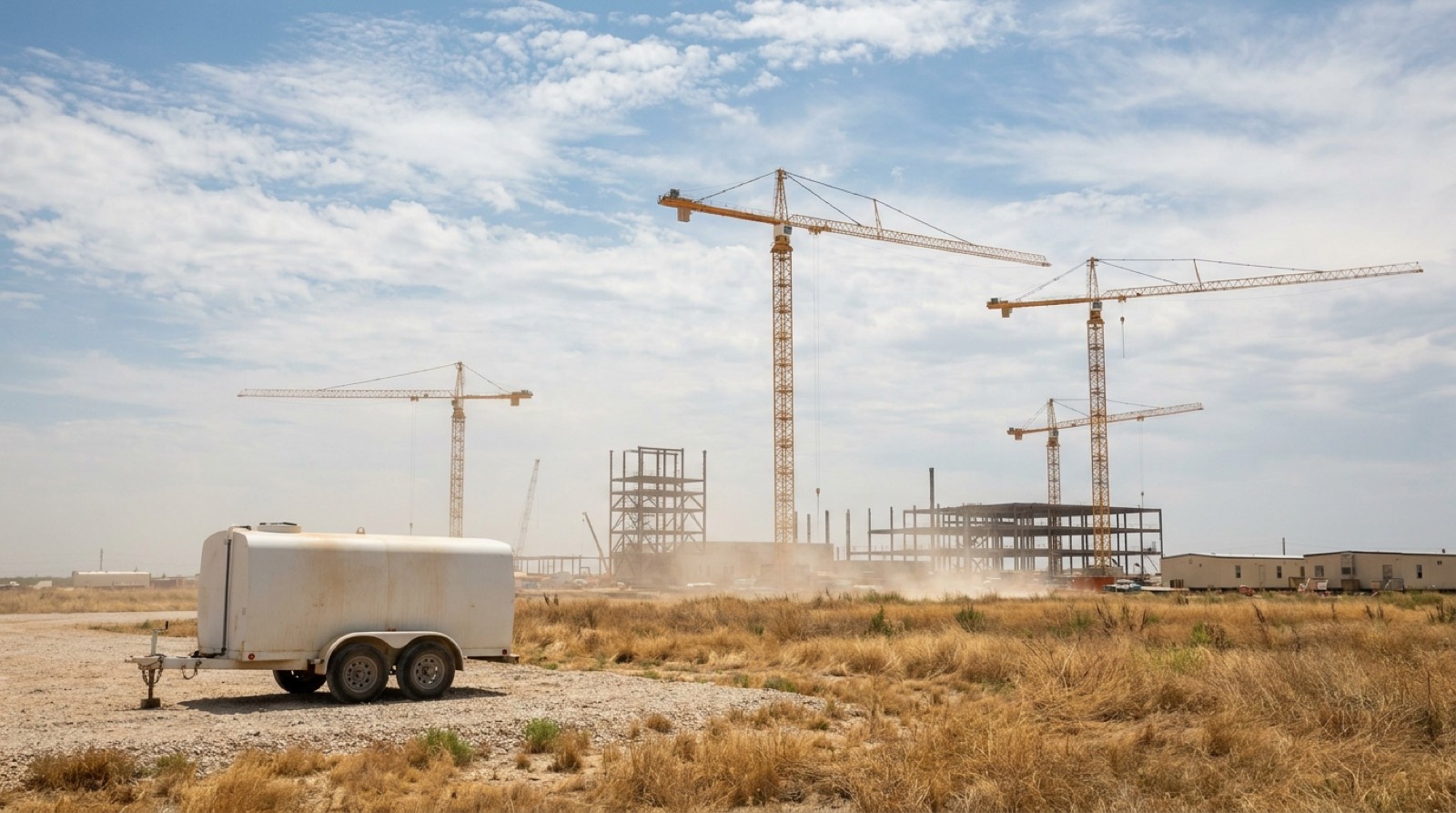
Dallas, Fort Worth, San Antonio and Abilene are carrying some of the largest campuses in the country. Summer heat makes hydration and shower capacity a safety line item, not an amenity.
View Texas →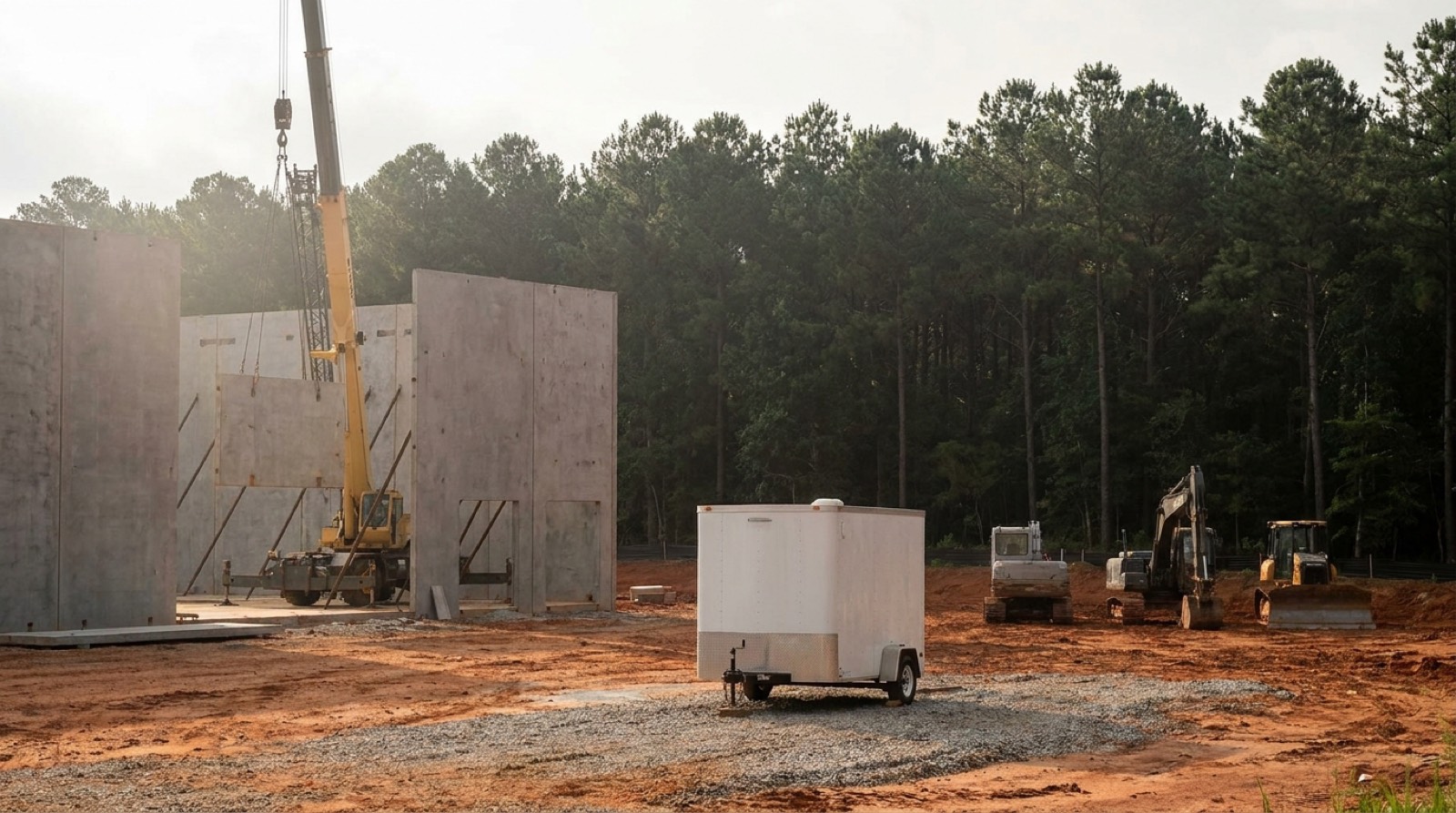
Atlanta metro and Douglas County, extending along I-20. Humid summers, long hauls between laydown and pad, and multi-phase schedules that keep facilities on site for years.
View Georgia →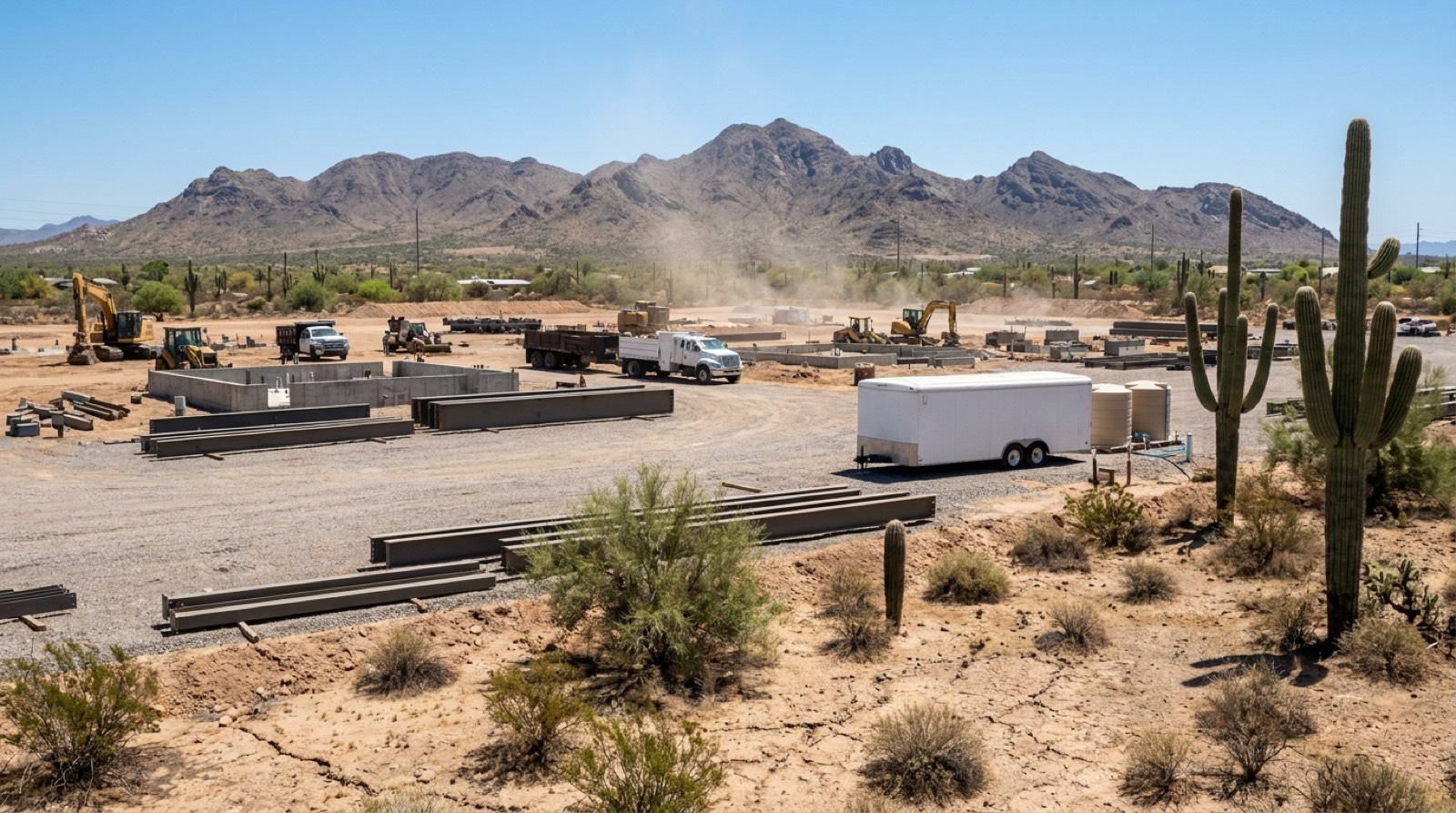
Phoenix and Mesa build through heat that regularly exceeds 110 degrees. OSHA heat-illness prevention drives water and shade requirements that our units satisfy directly.
View Arizona →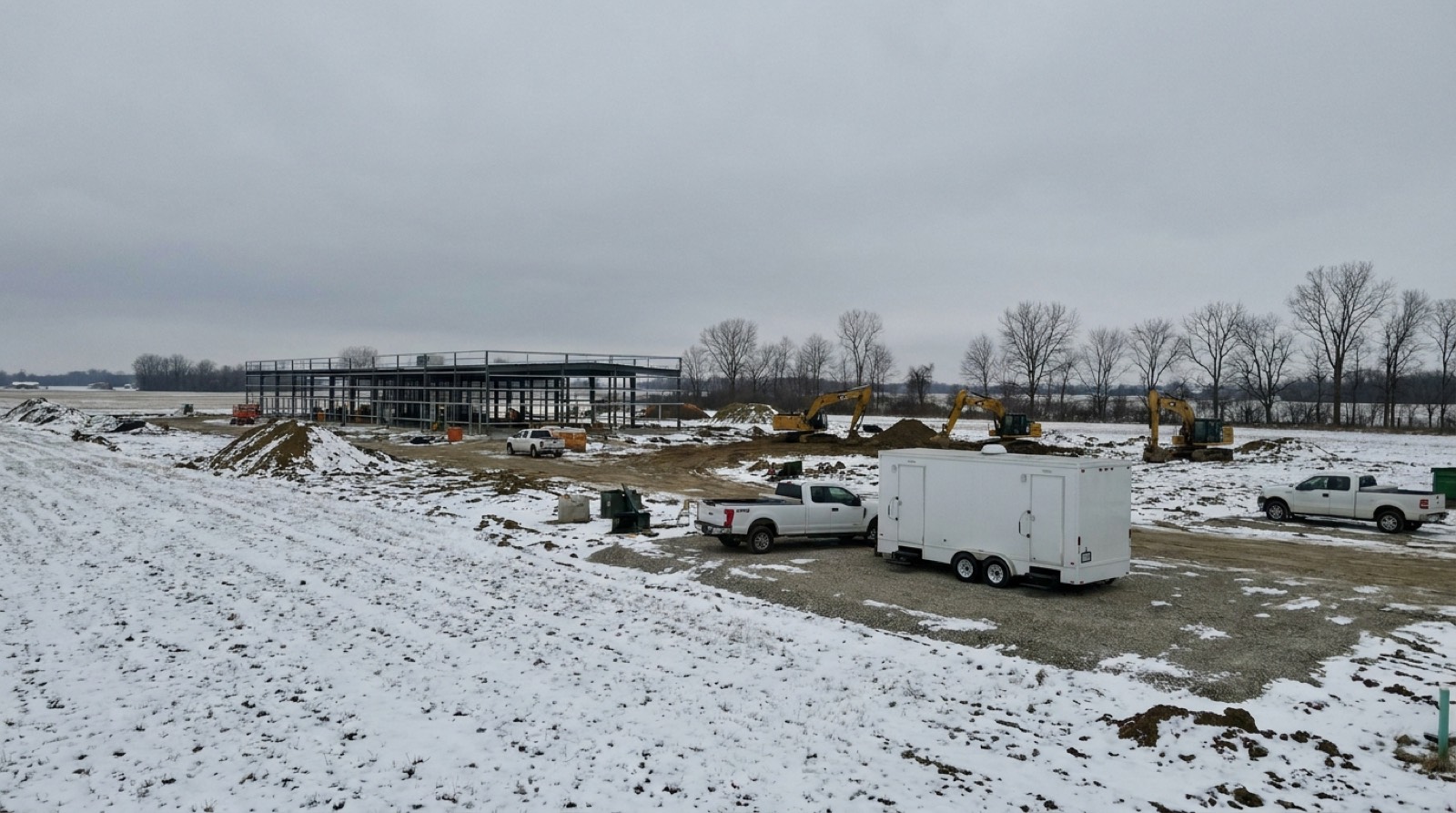
Columbus and New Albany. Freeze protection and winter service access matter here in a way Sun Belt corridors never see.
View Ohio →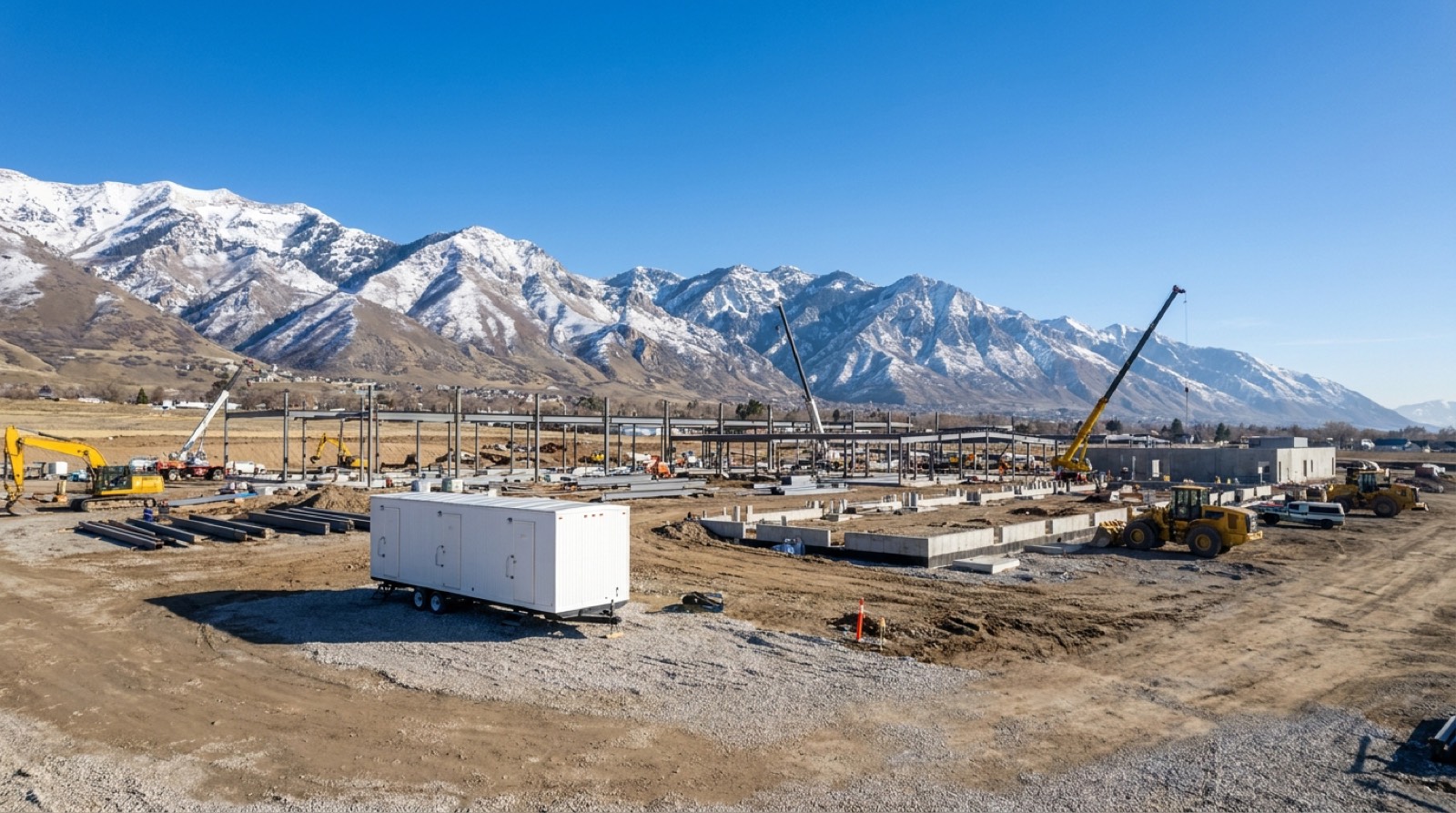
The Wasatch Front corridor runs through hard winters at elevation. Units are winterized and service intervals hold through snow.
View Utah →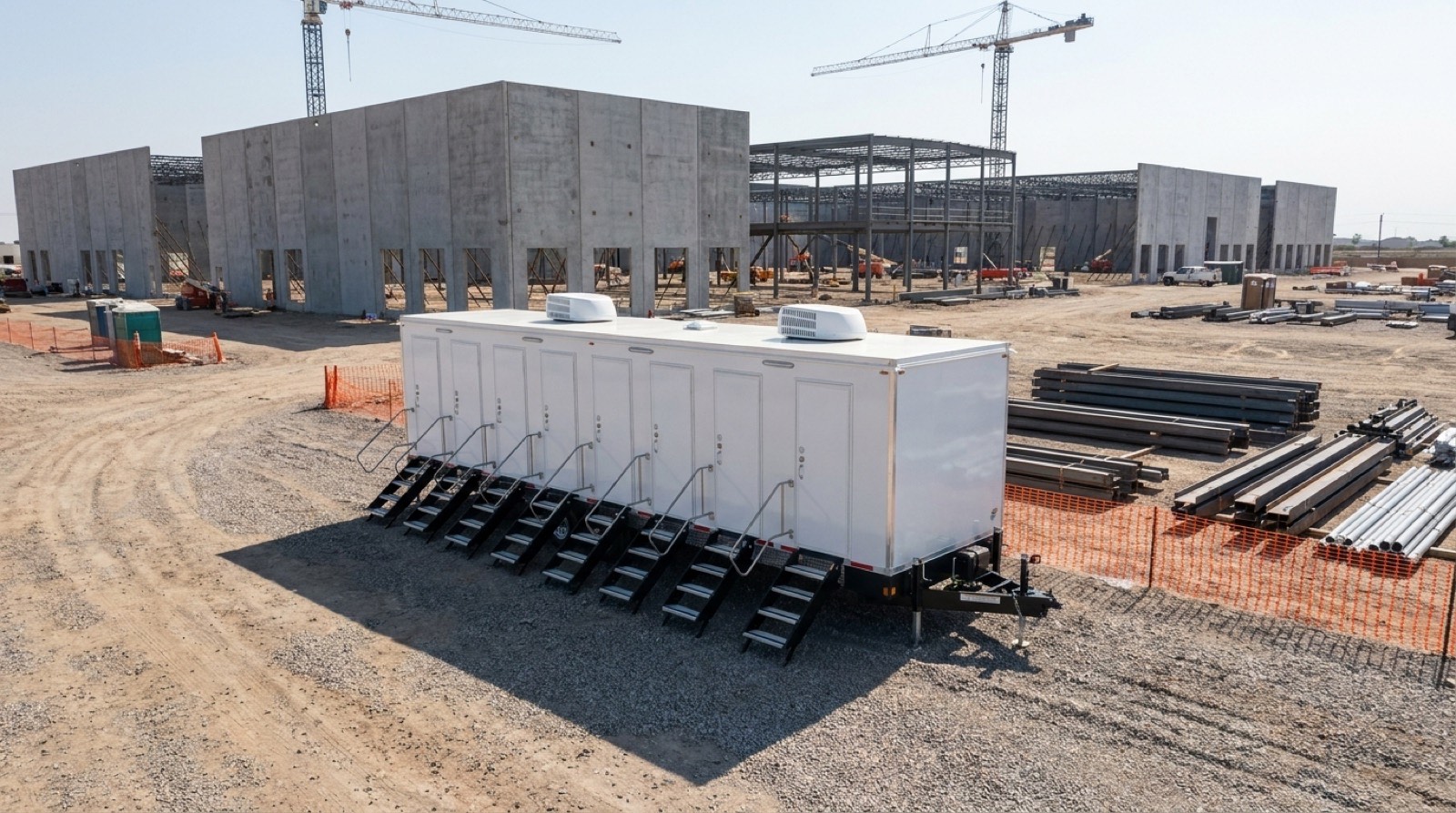
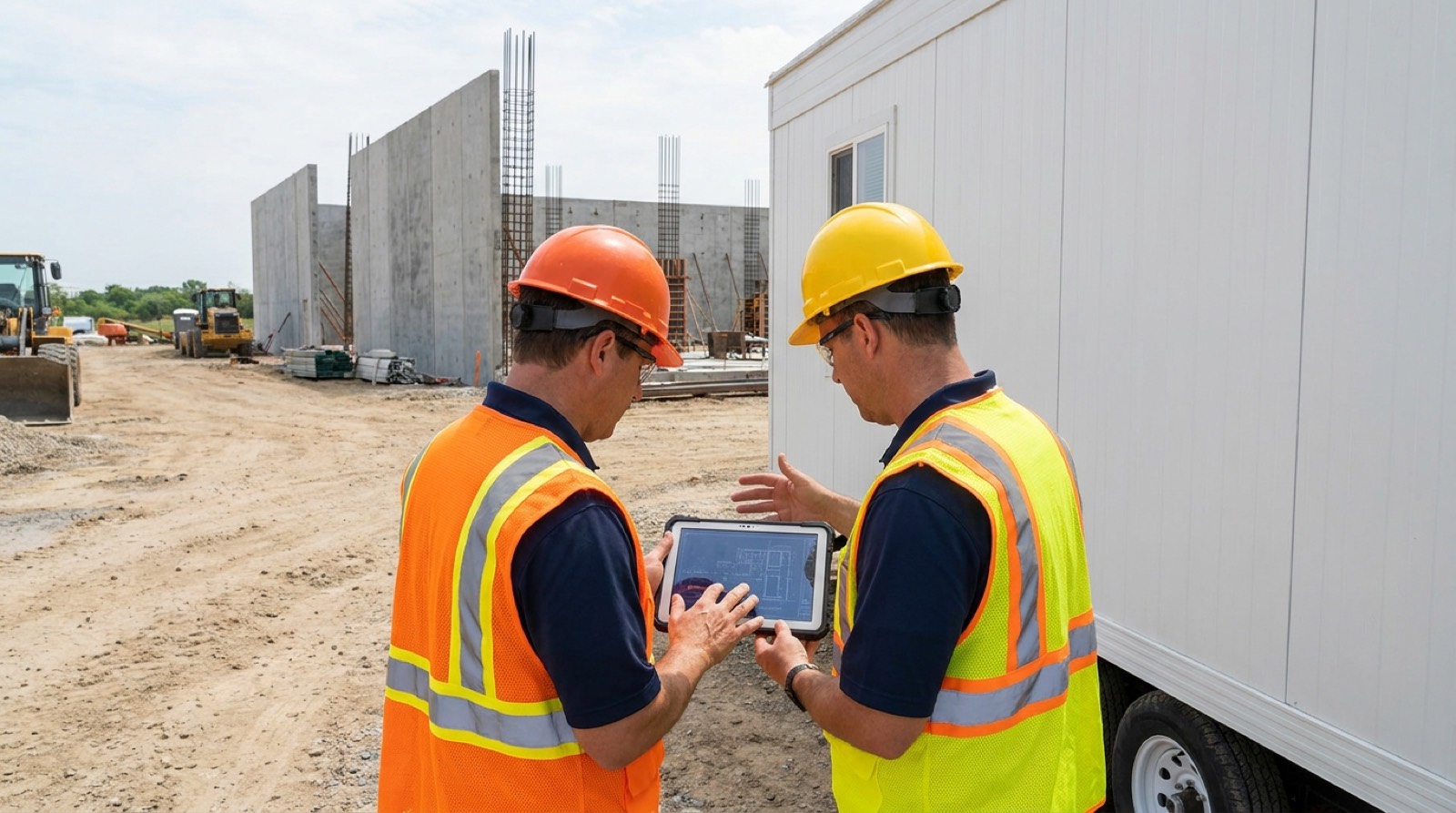
Most Virginia deployments bundle several units under one route. One contracted vendor, one dispatch, one escalation path, and a site plan that arrives already coordinated.
Water is the first thing safety plans ask about. Hydration station rentals in Virginia run on the same supply logistics as the rest of the package, so adding them costs one stop, not a second vendor.
Where crews rotate in from out of the area, the end of shift is its own rush hour. Shower trailer rentals in Virginia carry that peak so the workforce goes home clean.
The paperwork side of the job needs a roof too. Office trailer rentals in Virginia give supervision and inspections a place to meet without leaving the gate.
Food service and ice programs live or die on cold storage at the pad. Refrigeration trailer rentals in Virginia hold setpoint through the local season.
Restroom capacity anchors the plan. Restroom trailer rentals in Virginia sit closest to the workface and set the service route that every other unit rides on.
The full reach of our laundry trailer rentals program runs beyond Virginia, covering every corridor we serve.
Questions we get
The extended-stay share of the workforce, which on big Loudoun programs is substantial. They trade laundromat weekends for on-site machines.
Yes. Humid months soak work gear daily and wash volume follows, so machine counts are sized to the summer curve.
Yes. Supply and maintenance visits schedule inside your access windows with documentation filed ahead.
Go deeper
Longer reads for teams writing the site plan. Open what applies to your build.
Picture a traveling electrician staying in an extended-stay hotel off Route 28. He works six tens on an Ashburn data hall. His one day off starts with a duffel bag and a drive to a laundromat, then two hours in a plastic chair guarding a dryer. That is the standard weekend for thousands of extended-stay trades across Loudoun County right now. It is also one of the quiet reasons people leave a job for the project across the highway.
Data center construction in Northern Virginia runs on traveling labor. The hotels are full of it. Most extended-stay properties have a couple of guest machines for an entire building of construction crews. The math never works, so the laundromat trip becomes the default. It costs workers the only real recovery time they get all week.
Contractors in Data Center Alley compete for the same electricians, pipe fitters, welders, and finishers. Per diem rates converge. Schedules converge. What differs is quality of life, and laundry sits near the top of that list because it eats personal time every single week. A laundry trailer on site hands each worker two hours of his weekend back.
The effect shows up in ways superintendents can feel. Workers wash during the week, a load before shift or after, instead of burning Sunday. Clean gear stops being a logistics problem and becomes a background amenity. When a recruiter from another project calls, small comforts like that are part of why a crew stays put through the end of the phase.
A laundry trailer near the site trailer complex or the parking area serves hotel-housed crews well. Workers drop a load at lunch or after shift and grab it on the way out. No bedding volume to plan for since the hotels handle linens. The demand profile is almost all work clothes, which means heavy-soil washers and generous dryer capacity.
Loudoun sites usually have temporary power and water already distributed, so hookups are straightforward compared to greenfield work. We handle the supply stocking and machine service on a scheduled route so nobody on the project team inherits a side job. The crews get their weekends back. The contractor gets a talking point that actually lands in a hiring conversation.
Northern Virginia data center campuses are tight. Buildings go up close to property lines and laydown yards are rationed, while every trade fights for staging space. Dropping a laundry trailer on one of these sites is less about finding a spot and more about defending one. The earlier it lands on the logistics plan, the better the spot it gets.
The good news is that a laundry trailer has a small footprint compared to what it replaces. One trailer position serves hundreds of workers. We ask for a location near worker parking or the badging entrance, because laundry only works if it sits on the path people already walk. A trailer parked in a back corner behind the water tanks gets used half as much as one by the turnstiles.
Data center owners run controlled campuses even during construction. Badge gates, escort rules, vendor lists, and delivery windows are all normal here. That affects laundry in two ways. First, service visits have to fit the site's delivery windows, so we schedule restock and maintenance like any other vendor on the gate list. Second, trailer placement inside or outside the badge line changes who can use it and when.
Inside the fence works for a single-GC site where everyone badges through the same gate. Outside the fence, near parking, works better when multiple contractors share the campus or when night crews arrive after the gate scales down. We have set up both. The right answer comes from the security plan, not from a standard drawing.
Compared to remote builds, Loudoun sites are utility-rich. Temporary power is distributed early because every trade needs it. Water is typically available from construction meters. Sanitary tie-ins or pump-out service are already on site for the restroom program, and laundry graywater rides the same logistics.
What deserves attention is the routing. Hose and cable runs crossing haul roads get crushed or become trip hazards, so we plan runs along fence lines and protect any road crossing properly. Settle the siting and the utility routing in one walk with the site team, with the access rules confirmed in writing. After that the trailer just runs, which on a crowded Ashburn campus is the highest compliment temporary equipment can get.
Most laundry sizing guides assume a camp, where the trailer handles bedding and towels along with everyday clothes. Loudoun County flips that. Crews here live in extended-stay hotels from Sterling to Leesburg, and the hotels own the linen problem. The site trailer only has to handle work clothes. That cuts loads per worker roughly in half compared to a camp, and it changes what you should order.
Figure one to two loads per worker per week for a hotel-housed crew. A 300-person site generates 300 to 600 loads weekly. That is very achievable for a single well-equipped trailer, but only if the machine mix matches when people actually wash.
Hotel-housed workers do not wander over to the laundry at ten in the morning. They are on the floor. Demand concentrates in the two hours after shift ends and on the light day of the schedule. A trailer that must clear 500 loads a week really must clear 120 of them in a handful of peak windows. Machine count has to be set against that peak, not the weekly average.
This is where dryer ratio earns its keep again. Work clothes off a data hall are heavy and dry slowly. In a compressed evening window, one stalled dryer creates a visible line, and lines teach workers to go straight back to the laundromat habit they wanted to quit. We stack extra dryer capacity specifically to keep the peak moving.
A crew of 250 to 350 living in hotels is comfortably served by one trailer. Spec it with commercial washers and extra dryers. It has to be open early and late. Around-the-clock access matters more here than raw machine count, because night-shift crews on commissioning and fit-out phases wash at hours no laundromat serves.
Lighting, cameras where the owner wants them, and a simple wipe-down on the service route keep the room usable at 2 a.m. without an attendant on site. When headcount surges toward the fit-out peak, we add capacity rather than letting wait times creep. The goal is boring reliability. A worker should be able to assume a machine is open, the same way he assumes the water cooler is full. That assumption is the real product, and everything in the machine mix exists to protect it.