Virginia
Shower trailer rentals for Virginia data center sites
Hot-water shower capacity for the corridor that pulls trades from three states, where a long commute home makes end-of-shift showers a retention tool.
Hot-water shower capacity for the corridor that pulls trades from three states, where a long commute home makes end-of-shift showers a retention tool.
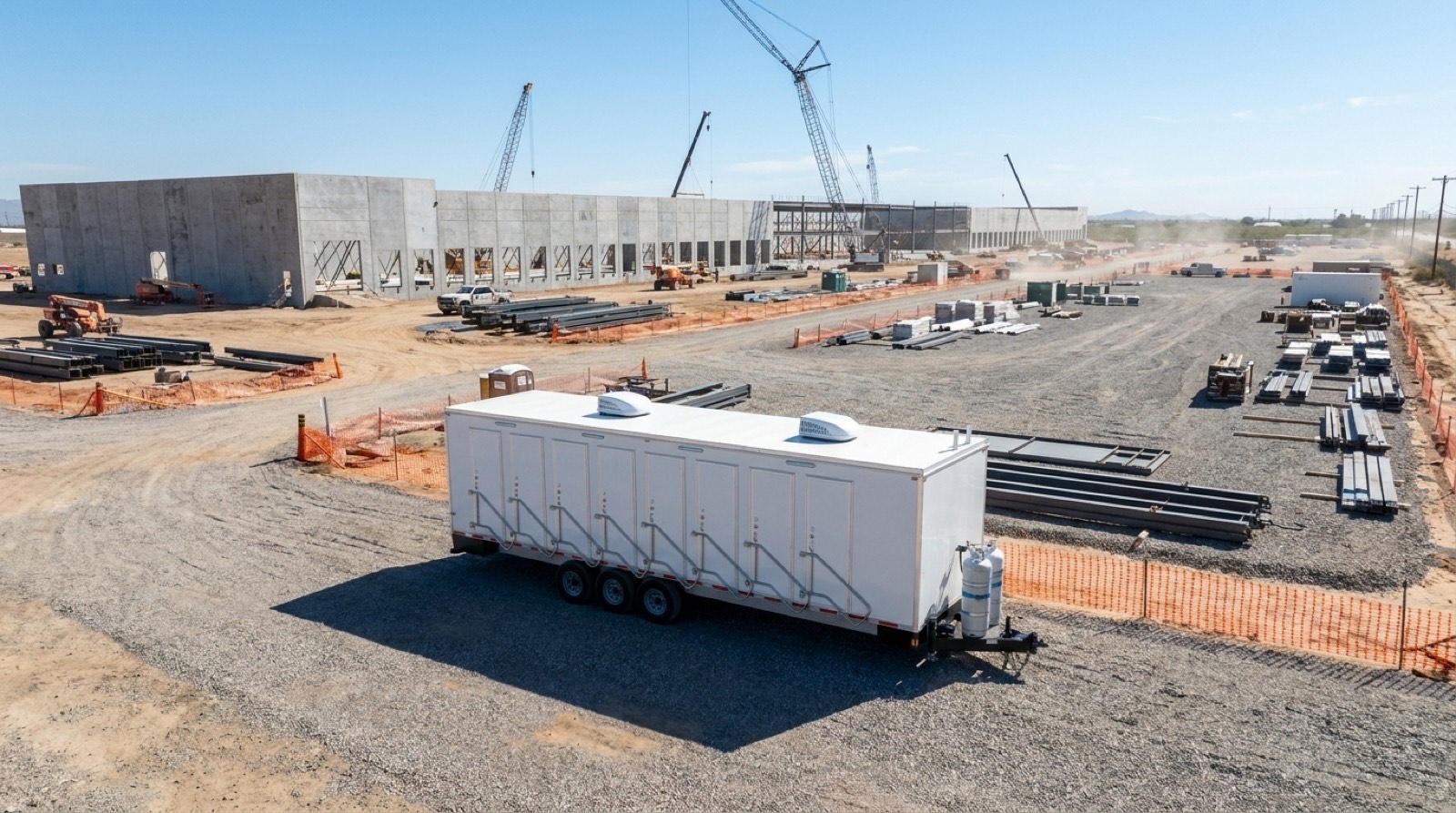
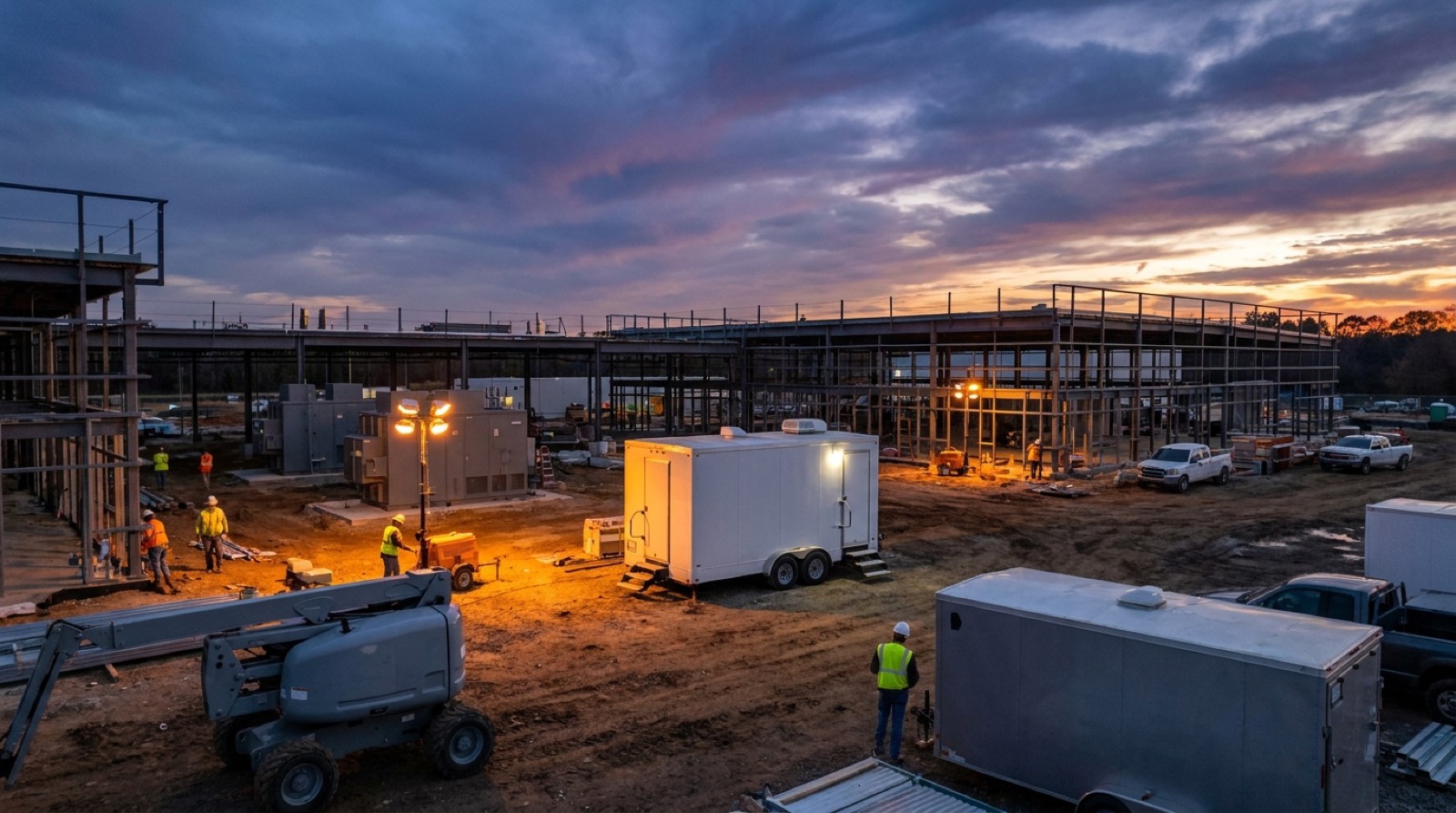
Northern Virginia's build volume outgrew its local labor pool years ago. Trades drive in from Pennsylvania, West Virginia and the Carolinas, and many stay in extended-stay housing through a rotation. A site with hot showers sends crews back to housing clean instead of sitting in Beltway traffic in soaked work clothes. Superintendents here treat shower capacity as part of keeping traveling crews on the job.
Shower trailers use water at rates that demand frequent service, and controlled Virginia sites only open their gates on their own schedule. We fit gray-water pump-outs and fresh fills inside your access windows with documentation submitted in advance, so service never stalls at the guard shack.
The same humidity that drives hydration demand drives shower use. August shift changes queue every stall on site. Stall counts here get sized against the surge window, not the average day.
Most Virginia deployments bundle several units under one route. One contracted vendor, one dispatch, one escalation path, and a site plan that arrives already coordinated.
Extended-stay crews generate wash loads every week of the schedule. Laundry trailer rentals in Virginia keep that cycle on site instead of in a hotel sink.
Food service and ice programs live or die on cold storage at the pad. Refrigeration trailer rentals in Virginia hold setpoint through the local season.
Restroom capacity anchors the plan. Restroom trailer rentals in Virginia sit closest to the workface and set the service route that every other unit rides on.
Water is the first thing safety plans ask about. Hydration station rentals in Virginia run on the same supply logistics as the rest of the package, so adding them costs one stop, not a second vendor.
The paperwork side of the job needs a roof too. Office trailer rentals in Virginia give supervision and inspections a place to meet without leaving the gate.
The full reach of our shower trailer rentals program runs beyond Virginia, covering every corridor we serve.
Questions we get
Because the labor commutes and rotates. Crews from out of state finish shifts clean before long drives or extended-stay housing, and that keeps traveling trades on the roster.
Yes. Service visits schedule inside the site's access windows with documentation filed ahead, which is standard practice on Loudoun and Prince William campuses.
Sized to the shift-change surge. As a working figure, one stall per 10 to 12 workers hitting the showers in the same window keeps queues manageable.
Where we deploy
Heaviest concentration in the corridors carrying the most active data center construction, with nationwide mobilization beyond them.
Loudoun County and Prince William run the densest data center concentration on earth. Multi-year campuses, badge-controlled access, crews in the hundreds, and facility requirements written into the subcontract.
View Northern Virginia →
Dallas, Fort Worth, San Antonio and Abilene are carrying some of the largest campuses in the country. Summer heat makes hydration and shower capacity a safety line item, not an amenity.
View Texas →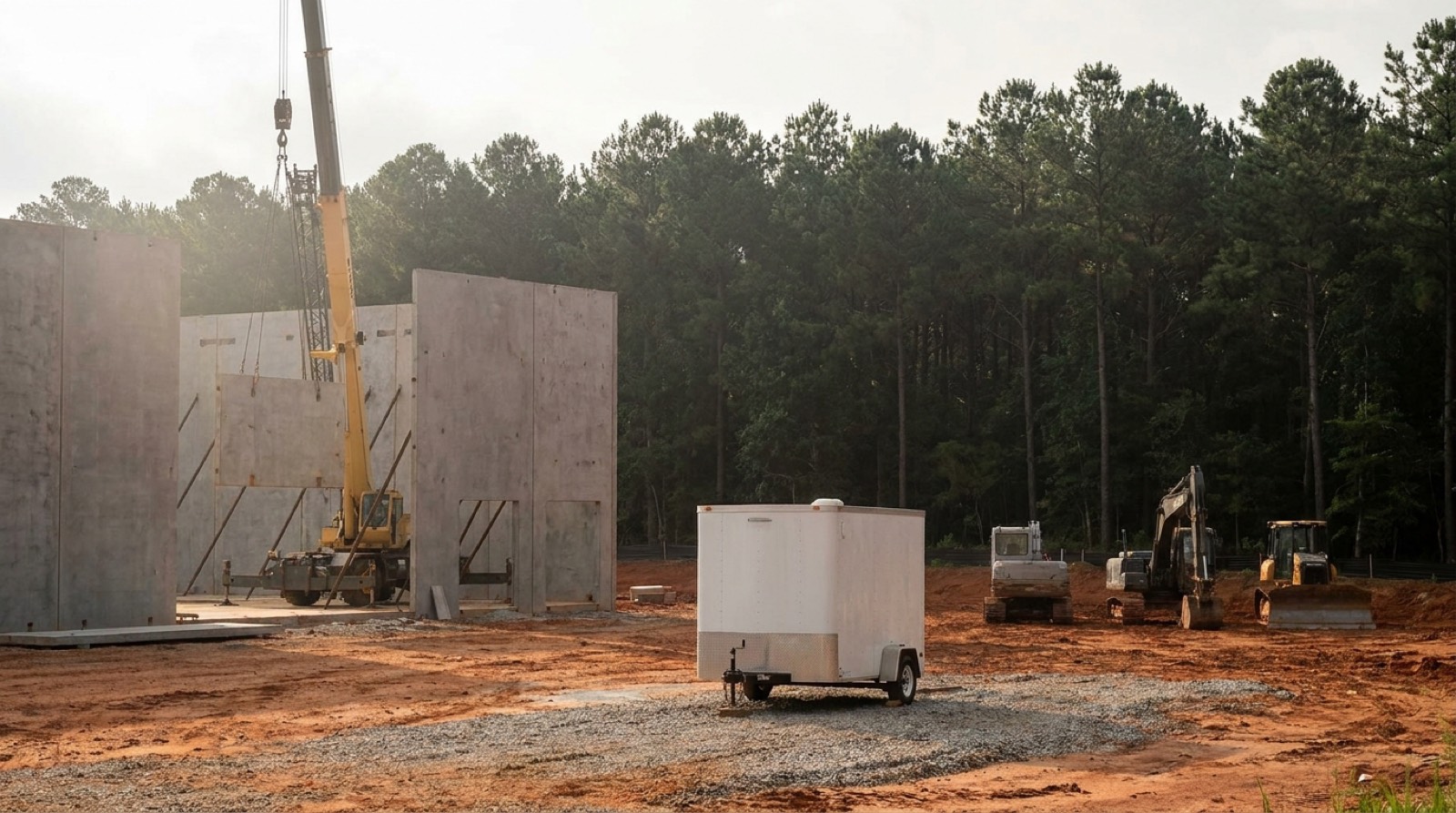
Atlanta metro and Douglas County, extending along I-20. Humid summers, long hauls between laydown and pad, and multi-phase schedules that keep facilities on site for years.
View Georgia →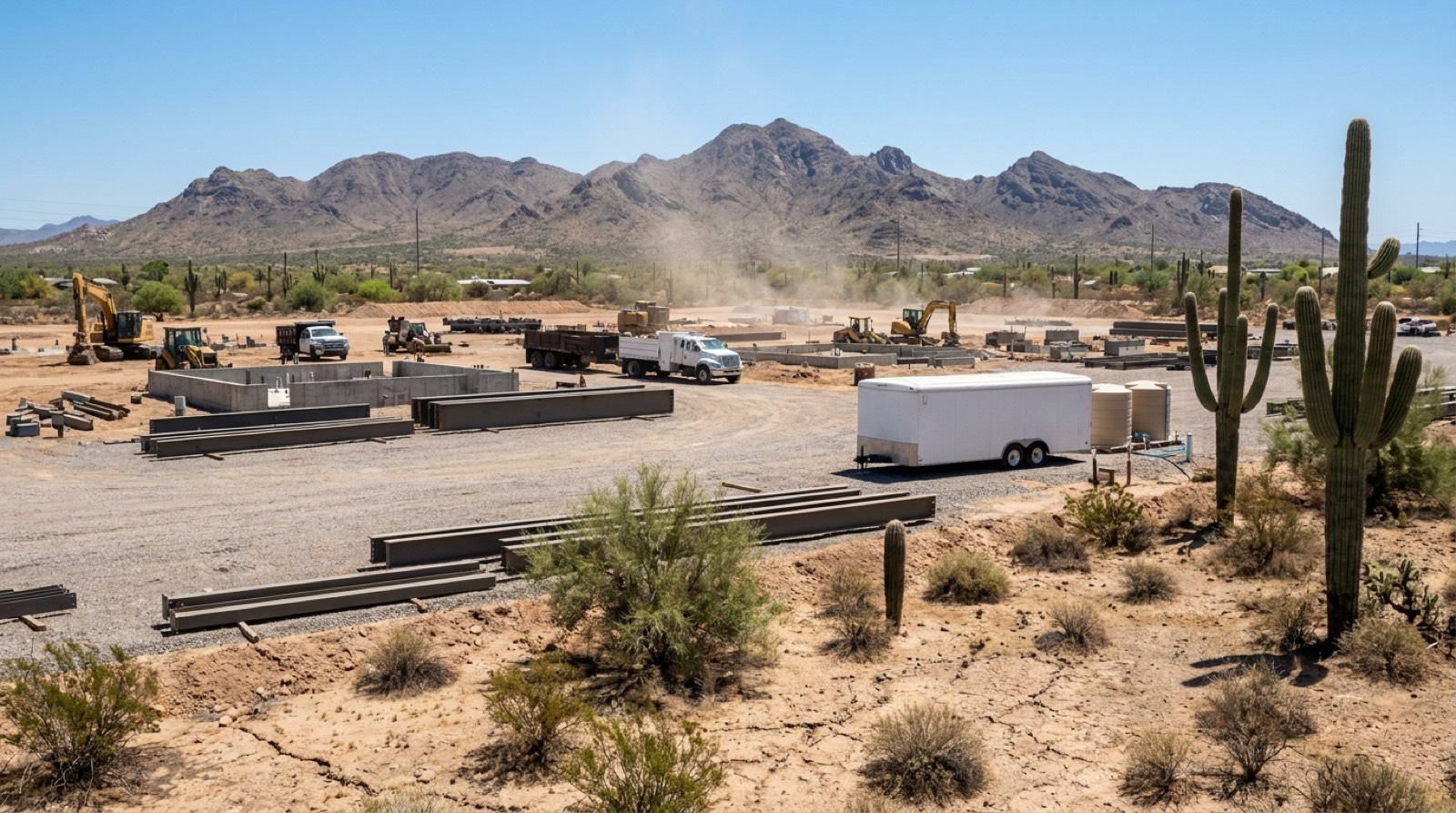
Phoenix and Mesa build through heat that regularly exceeds 110 degrees. OSHA heat-illness prevention drives water and shade requirements that our units satisfy directly.
View Arizona →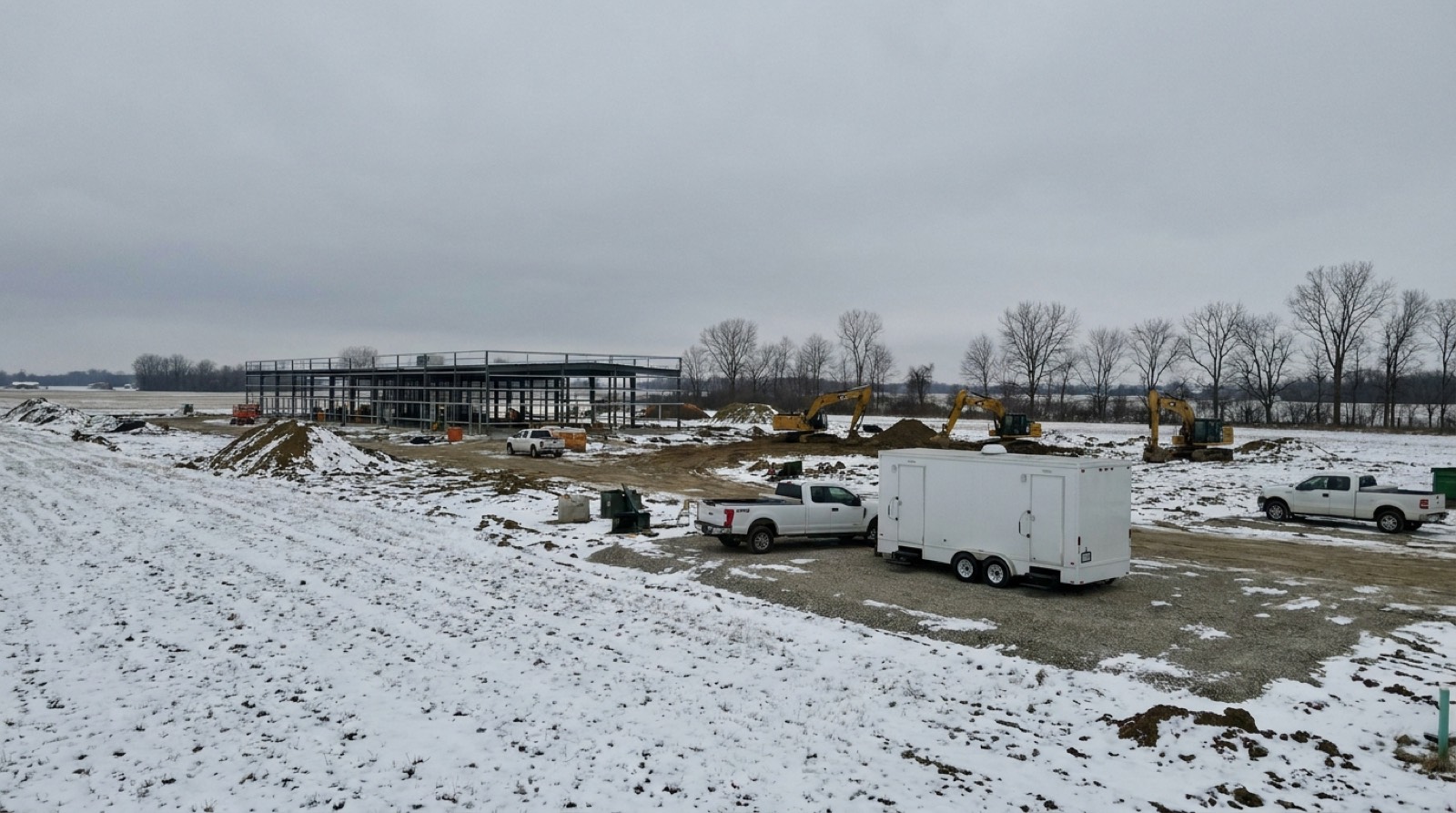
Columbus and New Albany. Freeze protection and winter service access matter here in a way Sun Belt corridors never see.
View Ohio →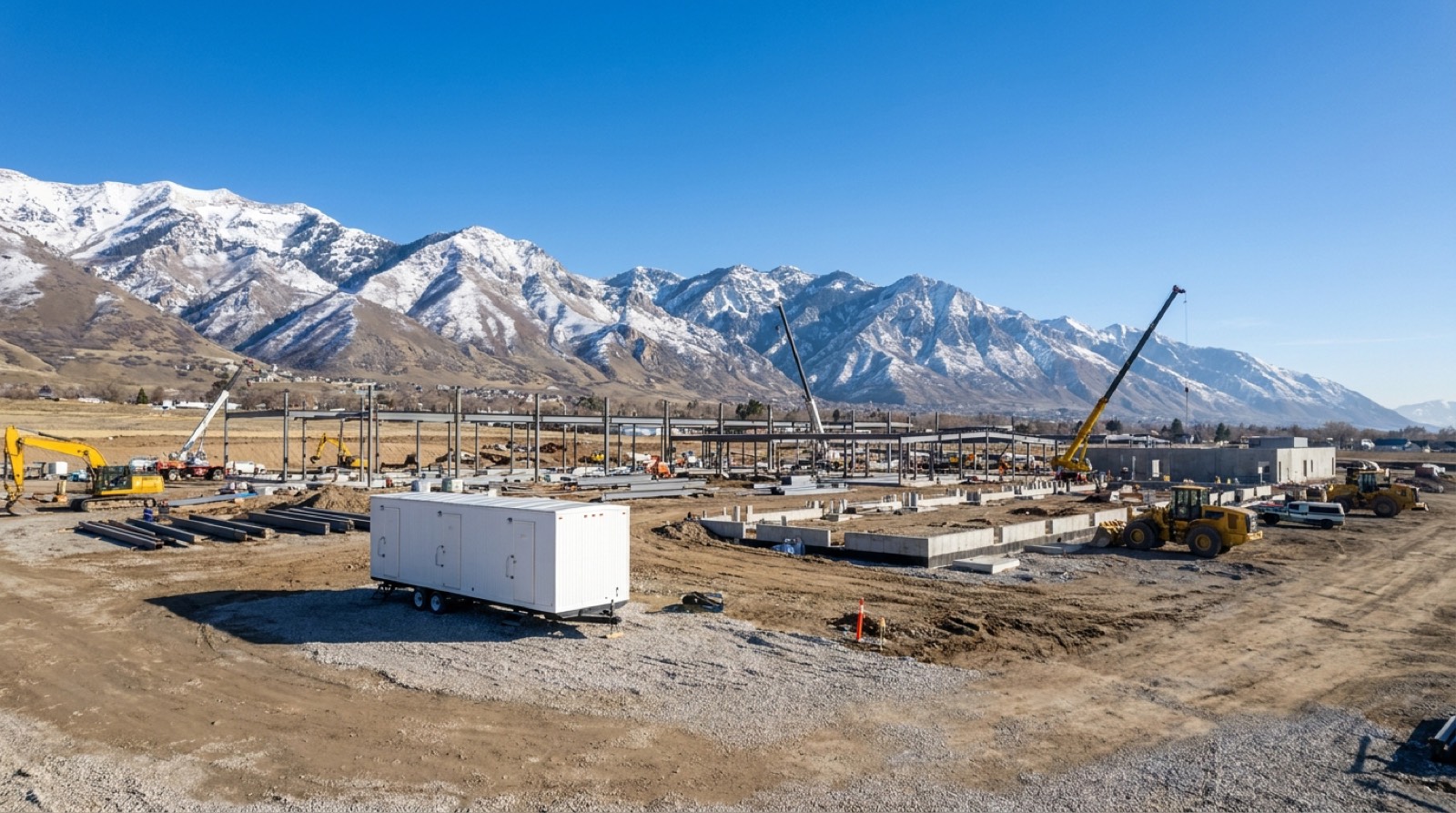
The Wasatch Front corridor runs through hard winters at elevation. Units are winterized and service intervals hold through snow.
View Utah →Go deeper
Longer reads for teams writing the site plan. Open what applies to your build.
Loudoun County carries more data center capacity than any region in the world, and the buildout keeps pushing west and south into Prince William. That density changes how site facilities work. Crews here are large, schedules are compressed, and many of the skilled trades are travelers on extended assignments. A shower trailer on a Data Center Alley site is not a luxury line item. It is part of how you keep a traveling workforce productive and willing to stay.
Local commuters exist, but the electrical and mechanical headcount on a big Ashburn or Leesburg campus draws heavily from out of state. Those workers live for months in extended-stay hotels along Route 7 and Route 28. What they do between the pad and the hotel is where showers earn their keep.
A traveler who leaves site dirty carries the day into a small hotel room he will occupy for half a year. Concrete dust in the rental car. Grime on the one set of furniture he has. Hotel housekeeping notices, and so does the worker weighing whether to extend his assignment. When the crew showers on site, they leave clean, eat dinner like a person, and treat the hotel as a home instead of a locker room.
Superintendents tell us the same thing in different words. Clean crews stay longer. On a market this tight for electricians, retention is the quiet argument for putting stalls on the pad.
Virginia summers are humid in a way that surprises trades coming from the west. July heat index readings in Loudoun regularly pass 100 even when air temperature does not. Workers sweat through shirts by mid-morning, and OSHA heat guidance pushes rest and hydration cycles that keep everyone soaked all day. Demand for end-of-shift showers climbs hard from June through September, so we size Virginia trailers for summer peak rather than annual average.
Plan one stall per ten to twelve workers who will realistically use it, and assume usage runs high here because of the traveler share. Most Alley sites have decent access to water and sewer or short haul routes for pump-out, which keeps service simple compared to true greenfield work. Give us your peak-month manpower number and your hotel radius, and we will spec the trailer count in a day. On a campus where every trade is fighting for the same labor pool, showers are one advantage you can park on the pad this month.
Prince William County is the fast-growing second front of Northern Virginia's data center buildout, with campuses rising around Manassas and along the Gainesville corridor. The construction climate problem here is moisture. Summer dew points sit in the low 70s for weeks. Sweat stops evaporating, shirts stay wet from the first lift of the morning, and by quitting time every worker on the pad has been damp for ten hours.
That kind of sustained wetness is more than discomfort. Skin that stays wet and dirty all day develops rashes and chafing that pull people off tools. Heat stress recovery is slower when the body cannot shed heat through evaporation. A cool shower at shift end is the fastest reset available, and crews use it heavily when it is there.
On dry-climate jobs we see shower usage around half the crew on commuter sites. On Virginia summer jobs the number runs noticeably higher, because nobody wants to sit in beltway traffic soaked through. Plan your stall count against the humid months. A trailer that fits April headcount comfortably will run a line in July even if not one worker has been added.
Ventilation inside the trailer matters just as much. Our units run active exhaust and air conditioning in the changing areas, because a shower trailer without climate control in a Virginia August becomes a steam room. Workers walk out sweating again and the benefit is gone. Ask any vendor how the trailer holds up with six stalls running in 95-degree heat, and ask for the honest answer.
Many of the newer campuses here sit on former farmland and quarry edges where utilities arrive late in the schedule. Plan for tank-fed water and scheduled pump-out during the first phases, then a plumbed connection once the civil package delivers water to the pad. Summer thunderstorms are the other local variable. Site the trailer on stone or compacted ground with real drainage, because an afternoon downpour can put standing water around a poorly placed unit within minutes.
The Prince William labor pool overlaps completely with Loudoun's, and workers talk between jobs. Sites that treat crews well in this heat get first pick when the next campus staffs up. A properly sized, properly cooled shower trailer is one of the cheapest ways to be that site. We stock units built for exactly this climate and can walk your pad with you before the summer peak arrives.
Rule of thumb for Virginia data center work: figure out your traveler percentage before you size anything. Northern Virginia crews are a blend. Local trades commute from Fairfax County and points down I-95. Travelers fill the gap, especially in electrical, and live in hotels and short-term rentals near the job. These two groups use a shower trailer completely differently, and the blend decides your stall count.
Commuters shower on site when the drive is long or the day was filthy. Maybe half use the trailer daily. Travelers use it almost universally, because the alternative is hauling the day's dirt back to the room they live in. A crew that is 60 percent travelers needs close to camp-level capacity even though nobody sleeps on site.
Take a 150-person peak crew that is 60 percent travelers. Ninety travelers at 90 percent usage is 81 showers. Sixty commuters at 50 percent is 30 more. That is 111 showers, most landing inside a 90-minute window. At five turns per stall per hour, you need around 14 or 15 stalls to keep waits reasonable. That is two trailers, not one, and it is better to know that at buyout than at month eight.
The blend also shifts over the project. Civil and structural phases lean local. Fit-out pulls travelers in. Your shower demand can grow faster than your headcount, which catches teams who sized facilities off total manpower alone.
Virginia data center sites run serious security, and placement inside the fence matters. Put the trailer between the main work area and the parking or badging exit, so showering happens on the natural walk-off path. A trailer that requires a detour past the guard shack gets skipped. Leave clear access for water delivery and vacuum trucks that will not conflict with concrete pours or crane picks, and confirm the escort rules for service drivers early. A pump-out that takes twenty minutes on an open site can eat two hours on a badged campus if nobody planned for it.
We handle the service logistics as part of the rental, including scheduling around your gate procedures. What we need from you is the manpower curve and a rough traveler percentage by phase. From there, stall counts and tank sizes fall out of arithmetic instead of guesswork, and service frequency follows. On a campus buildout measured in years, getting this right once pays for itself every single week.