Contact
Send the scope, get the plan
Call, email, or use the form below. Scopes received during business hours are answered the same day, and the phone is staffed around the clock for active deployments.
Call, email, or use the form below. Scopes received during business hours are answered the same day, and the phone is staffed around the clock for active deployments.
Phone: (888) 286-9931. Staffed for new requirements during business hours and for active-deployment emergencies around the clock. A unit down at two in the morning gets answered at two in the morning.
Email: [email protected]. Best for scope documents, site plans, insurance requests and vendor qualification paperwork.
Quote form: the form below routes directly to our team and is answered the same business day.
The five things that let us quote accurately the first time: site location, schedule with start date, peak headcount, what power and water exist on site, and any access constraints such as badging, escorts or delivery curfews. If you have a site logistics plan, attach it to your email and we will place units against it.
Certificates of insurance, W-9, references and safety documentation are available on request and generally same day. If your project runs a vendor portal, send the invitation to the email above and we will complete registration promptly.
Why contractors keep us
Any vendor can place units at mobilization. Performance shows up in month nine. Do pump-outs hold their interval under load? Does water get topped off before it runs out? Does an after-hours failure get fixed inside the same shift?
Where we deploy
Heaviest concentration in the corridors carrying the most active data center construction, with nationwide mobilization beyond them.
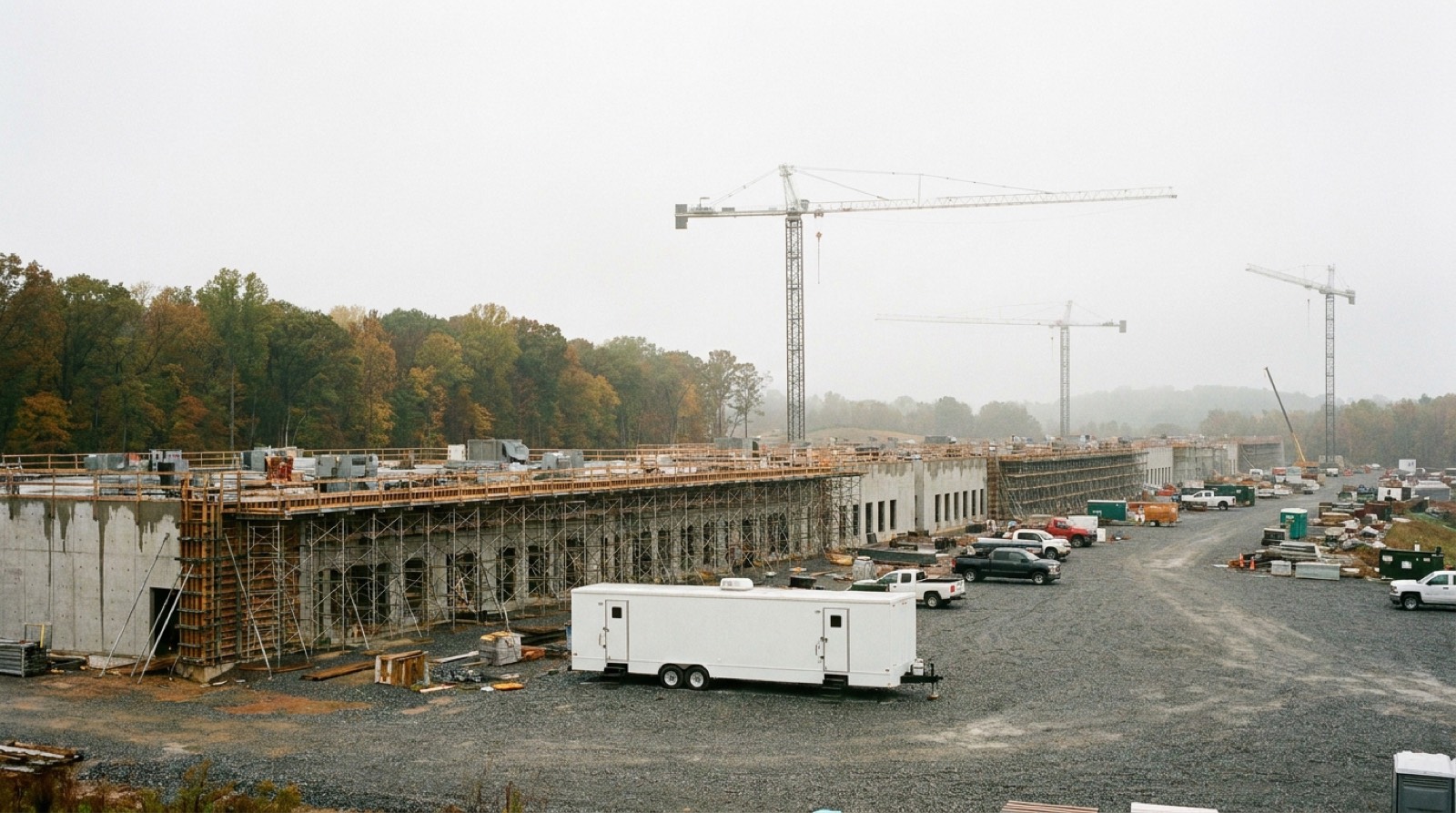
Loudoun County and Prince William run the densest data center concentration on earth. Multi-year campuses, badge-controlled access, crews in the hundreds, and facility requirements written into the subcontract.
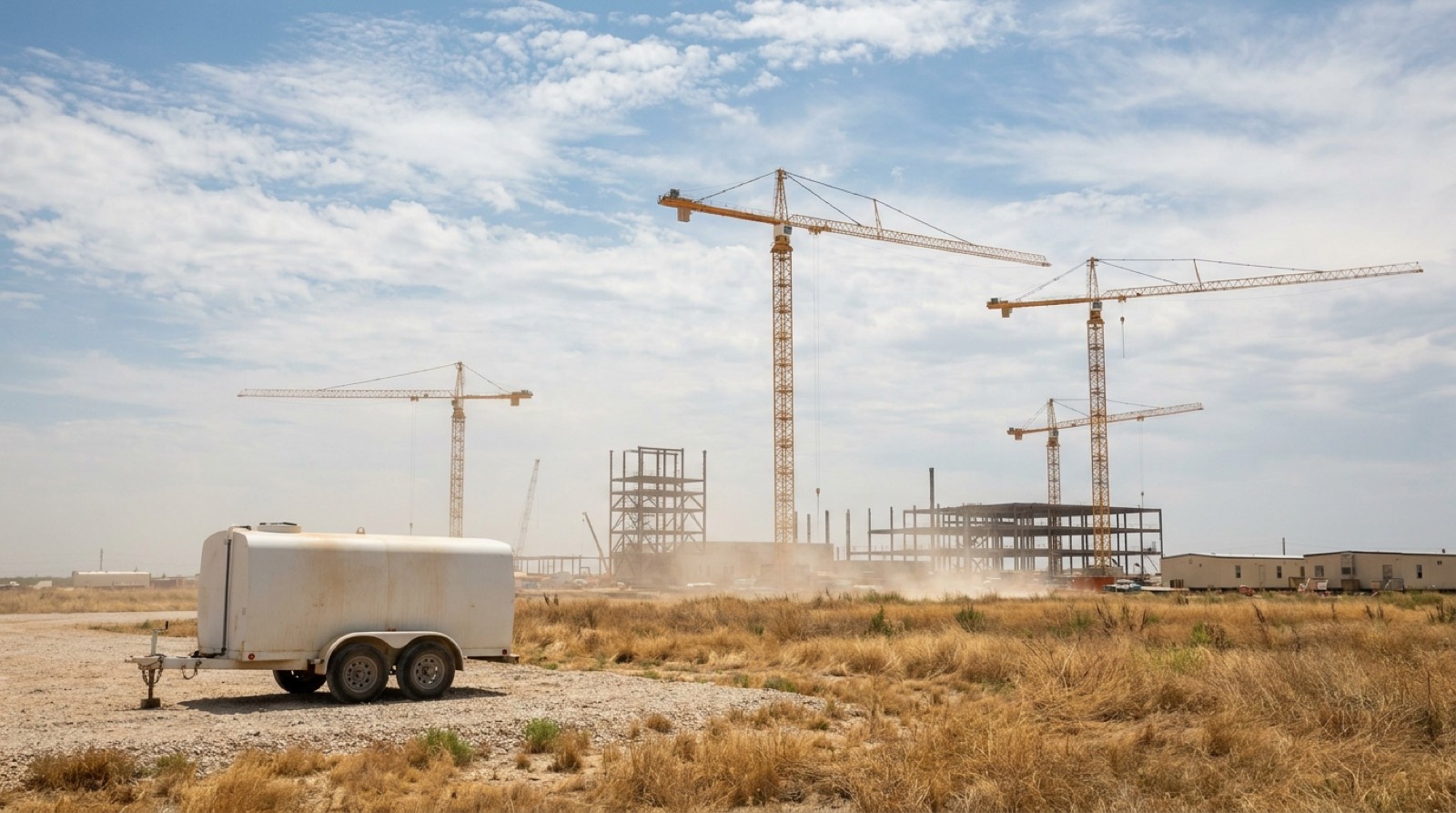
Dallas, Fort Worth, San Antonio and Abilene are carrying some of the largest campuses in the country. Summer heat makes hydration and shower capacity a safety line item, not an amenity.
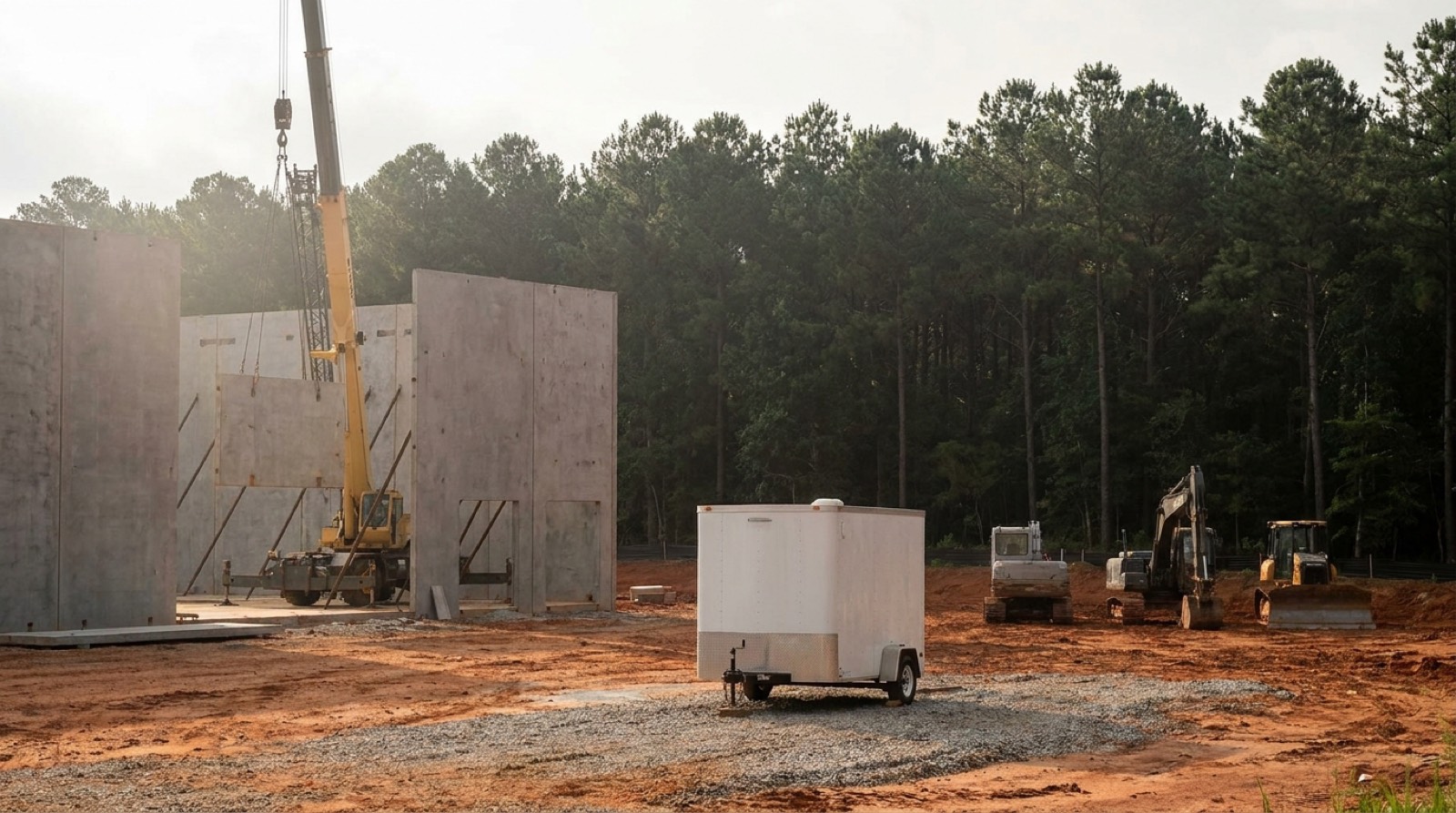
Atlanta metro and Douglas County, extending along I-20. Humid summers, long hauls between laydown and pad, and multi-phase schedules that keep facilities on site for years.
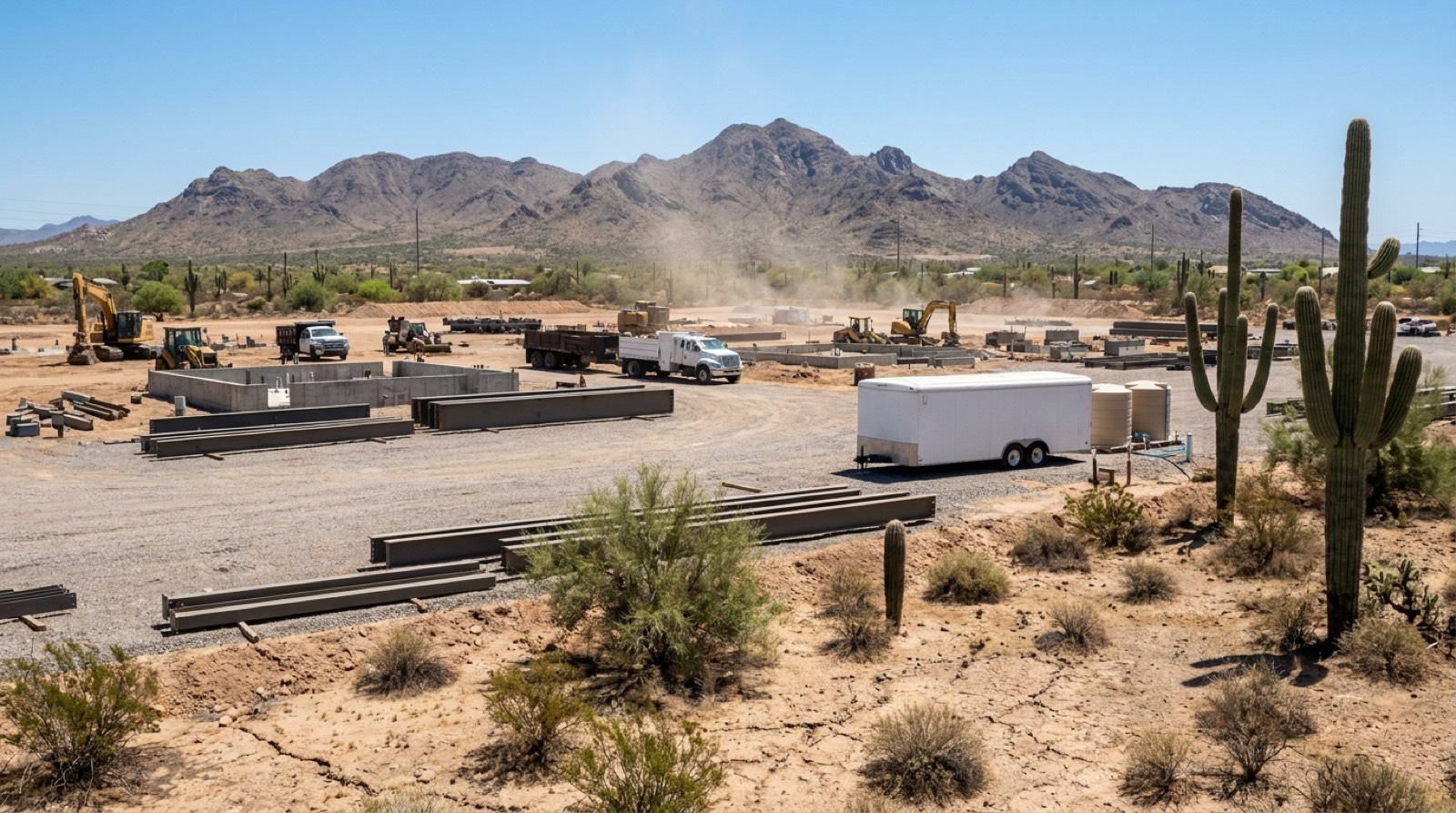
Phoenix and Mesa build through heat that regularly exceeds 110 degrees. OSHA heat-illness prevention drives water and shade requirements that our units satisfy directly.
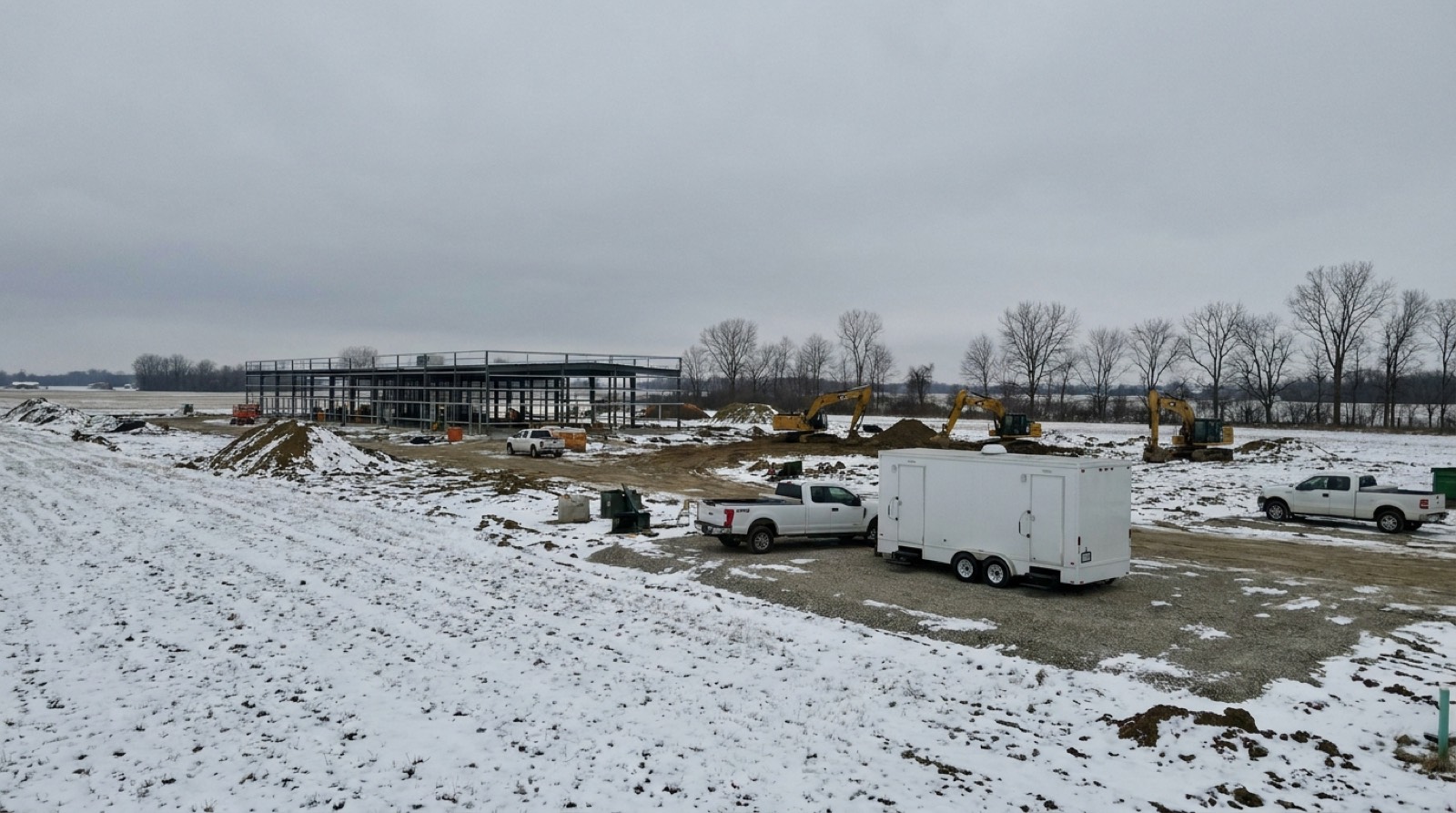
Columbus and New Albany. Freeze protection and winter service access matter here in a way Sun Belt corridors never see.
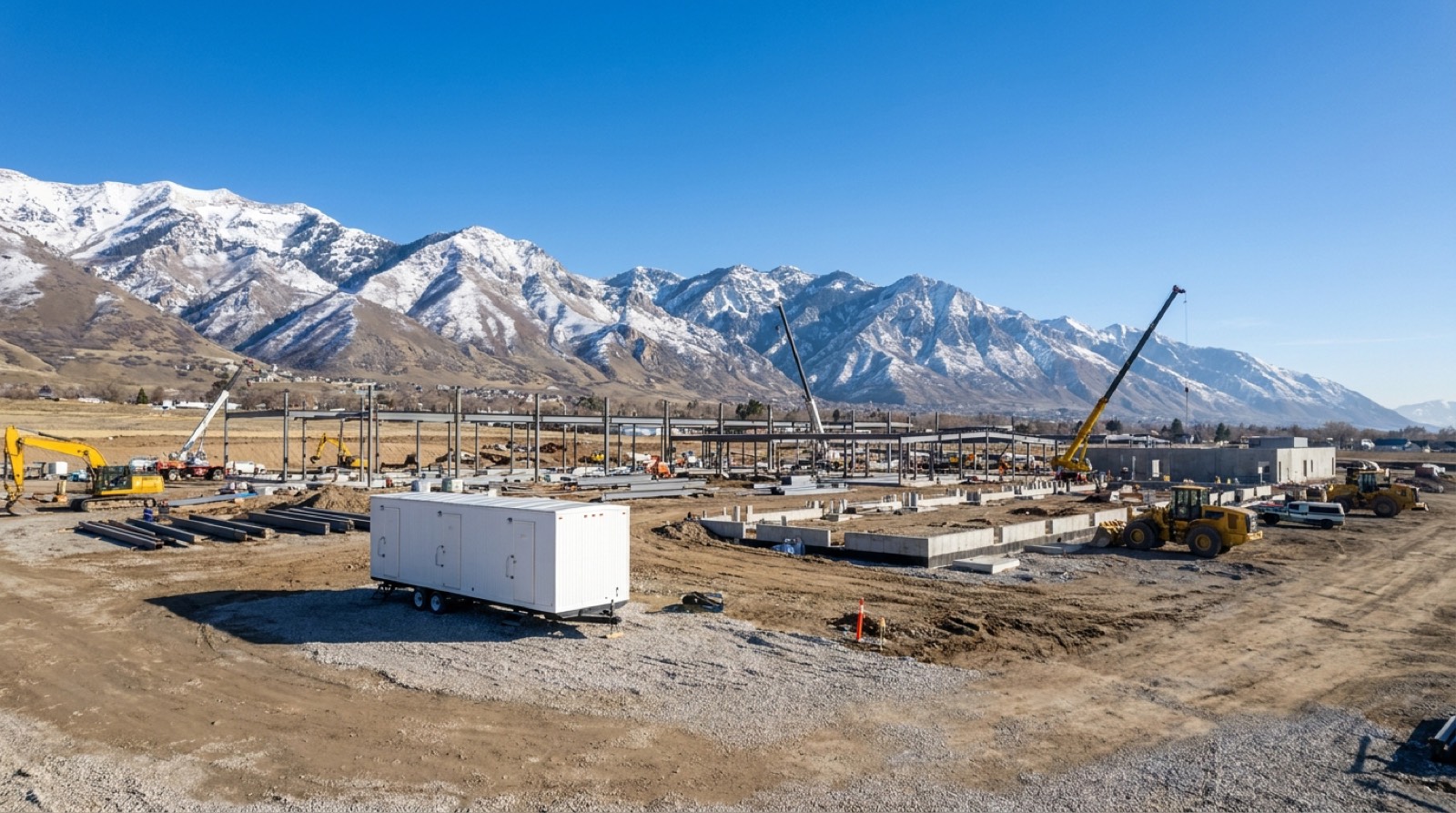
The Wasatch Front corridor runs through hard winters at elevation. Units are winterized and service intervals hold through snow.
Questions we get
Same business day for scopes received during working hours. Complex multi-unit campus scopes may take a day longer because the placement plan is engineered, not templated.
Yes, for active deployments. Emergency response for a unit problem runs around the clock, nights, weekends and holidays included.
Yes. Insurance certificates, safety documentation and references are prepared in advance, and vendor portal registration is standard practice for us.