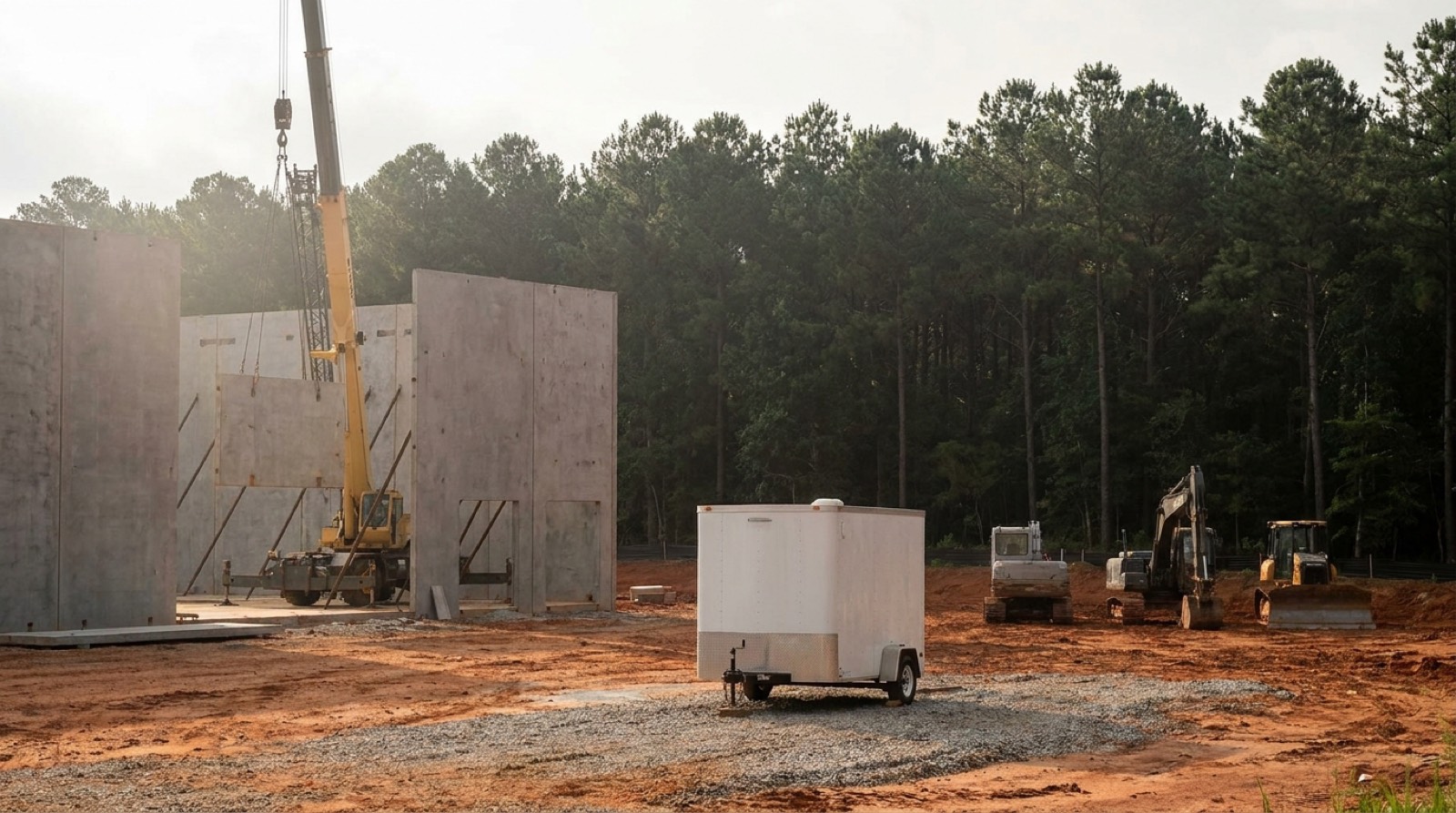
Georgia
Office and break room trailers for Georgia data center sites
Lightning-season shelter and coordination space for I-20 corridor campuses, where afternoon storms send whole crews indoors on a horn blast.
Lightning-season shelter and coordination space for I-20 corridor campuses, where afternoon storms send whole crews indoors on a horn blast.
Georgia summer afternoons bring lightning that clears every crew off steel and out of the open. Break trailers give those pauses somewhere to go besides parked trucks, and a site that shelters its crews well loses less of the day when the cell passes and work resumes.
Plans, submittals and electronics do not love Georgia humidity any more than crews do. Climate-controlled office space keeps document control crisp and the laptops alive through the wet months.
I-20 corridor sites spread out, so offices place near the gate while break units distribute along the work faces. One service route cleans and restocks all of it.
Where we deploy
Heaviest concentration in the corridors carrying the most active data center construction, with nationwide mobilization beyond them.
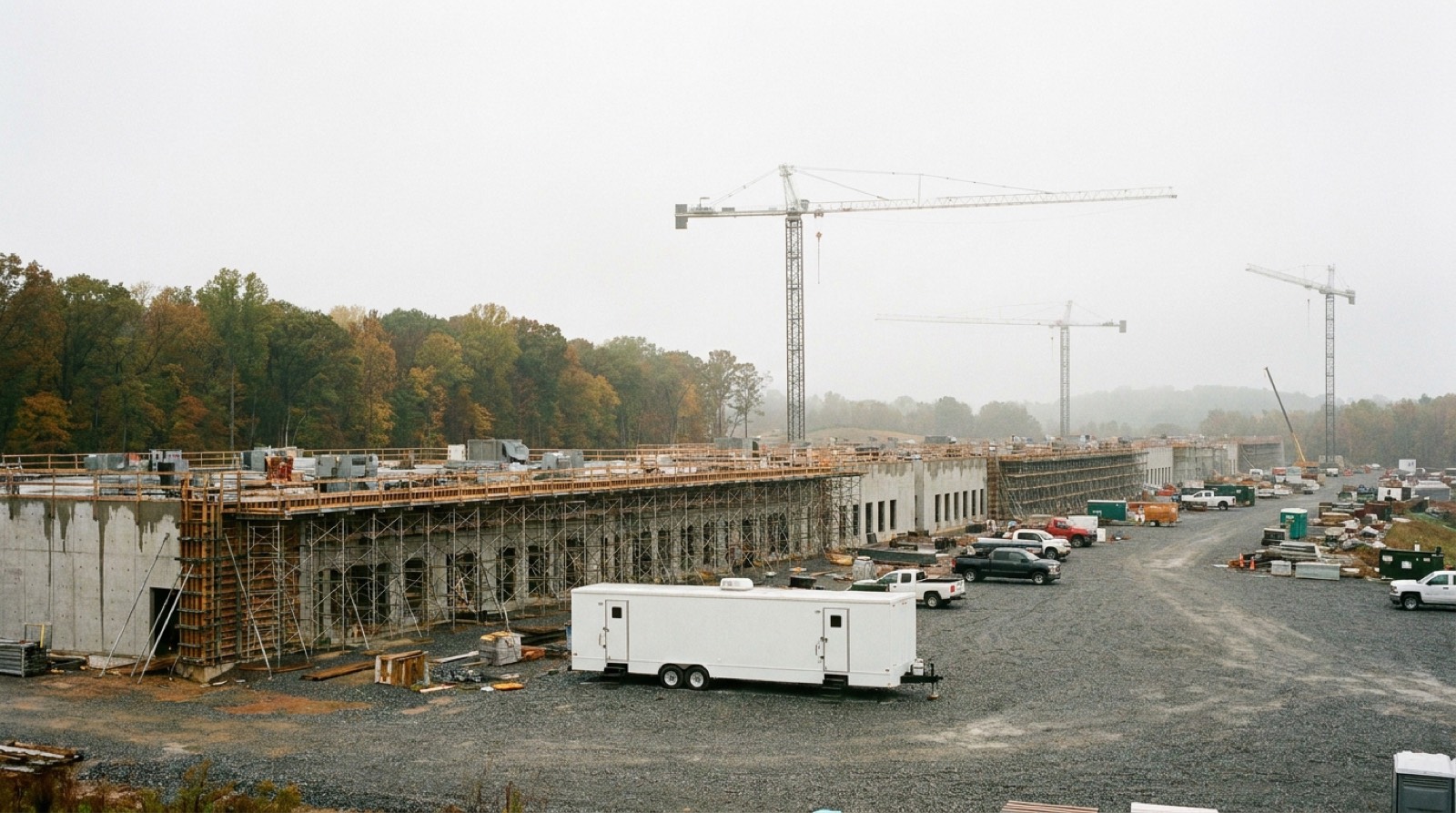
Loudoun County and Prince William run the densest data center concentration on earth. Multi-year campuses, badge-controlled access, crews in the hundreds, and facility requirements written into the subcontract.
View Northern Virginia →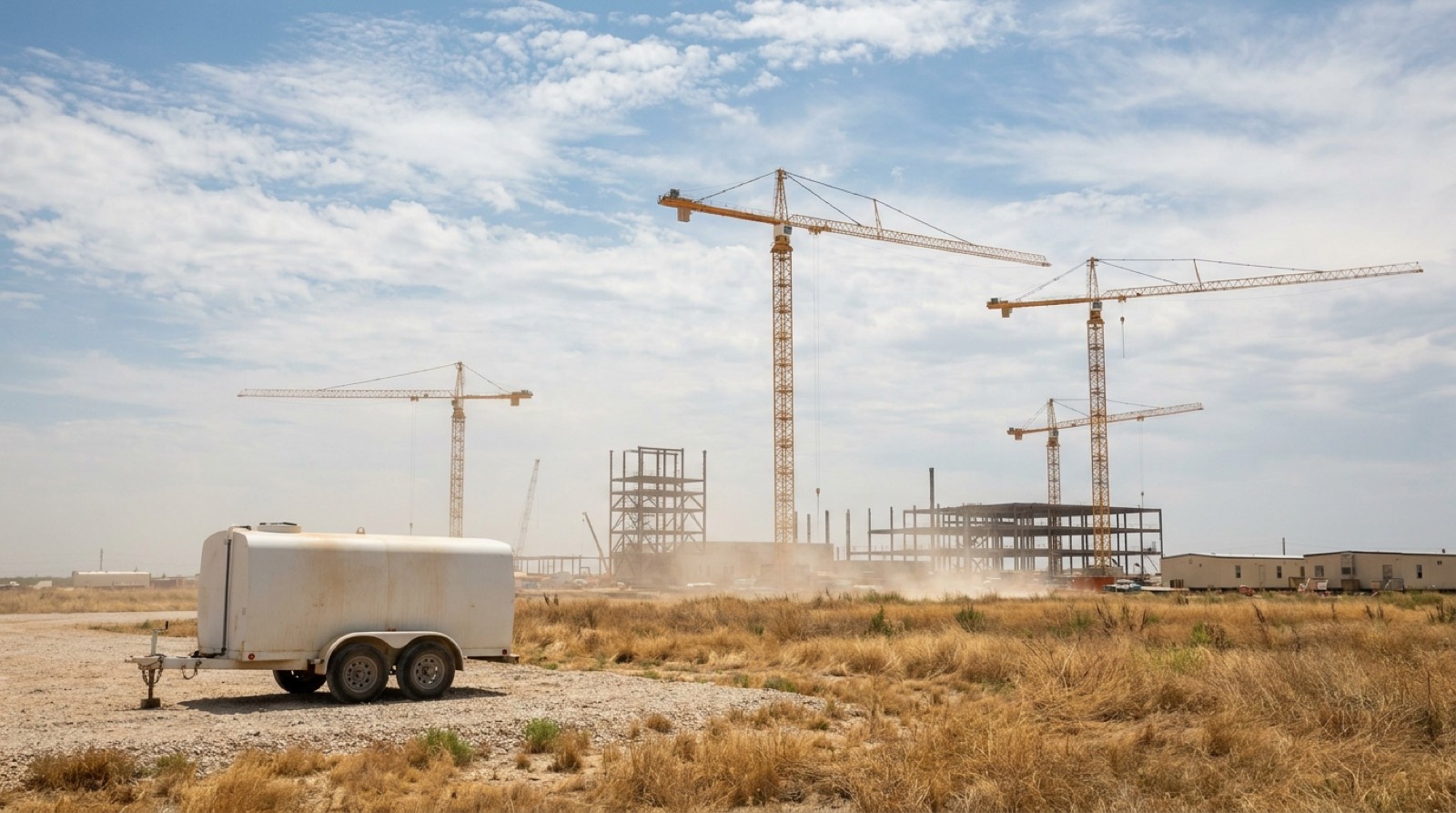
Dallas, Fort Worth, San Antonio and Abilene are carrying some of the largest campuses in the country. Summer heat makes hydration and shower capacity a safety line item, not an amenity.
View Texas →Atlanta metro and Douglas County, extending along I-20. Humid summers, long hauls between laydown and pad, and multi-phase schedules that keep facilities on site for years.
View Georgia →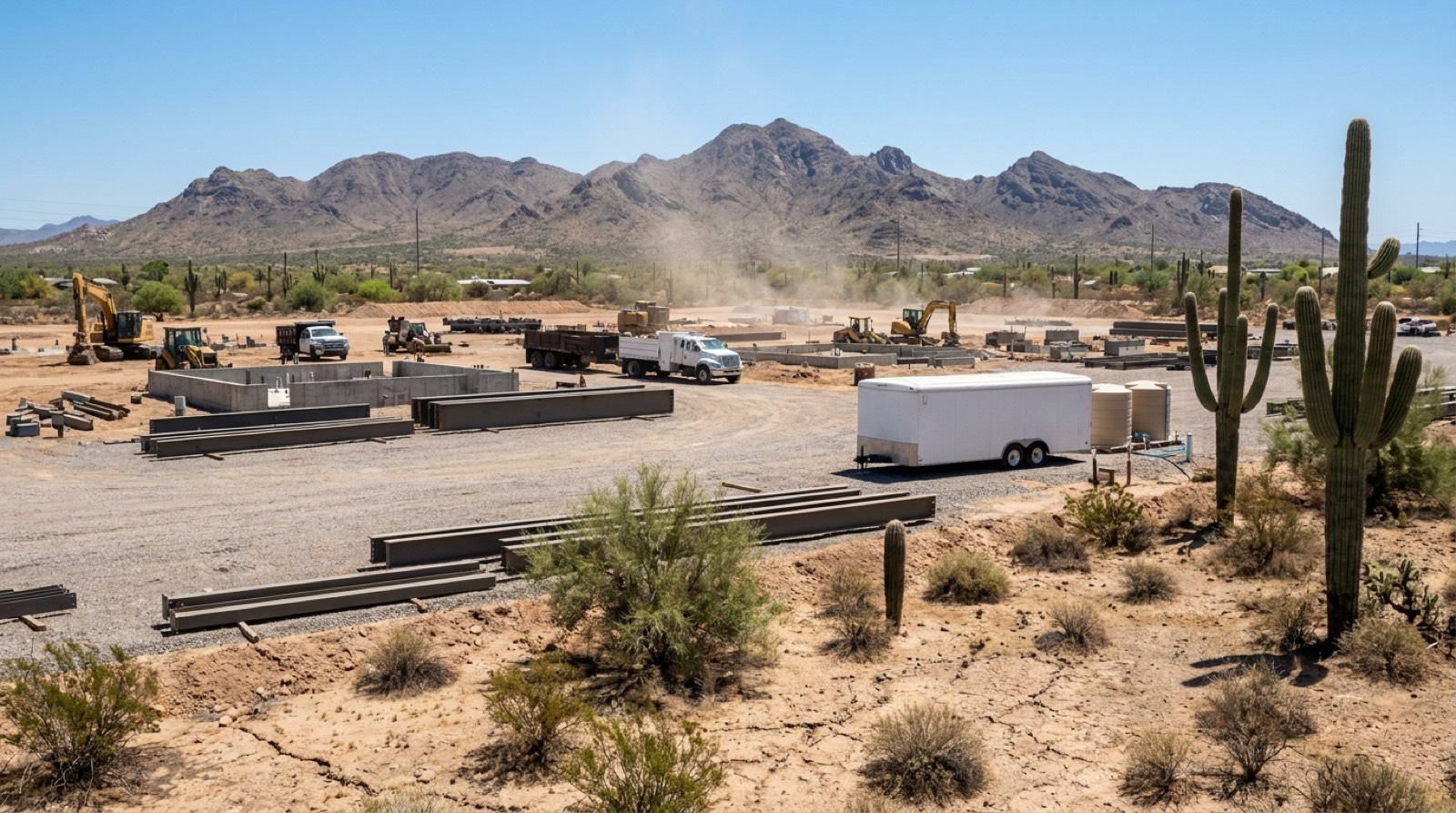
Phoenix and Mesa build through heat that regularly exceeds 110 degrees. OSHA heat-illness prevention drives water and shade requirements that our units satisfy directly.
View Arizona →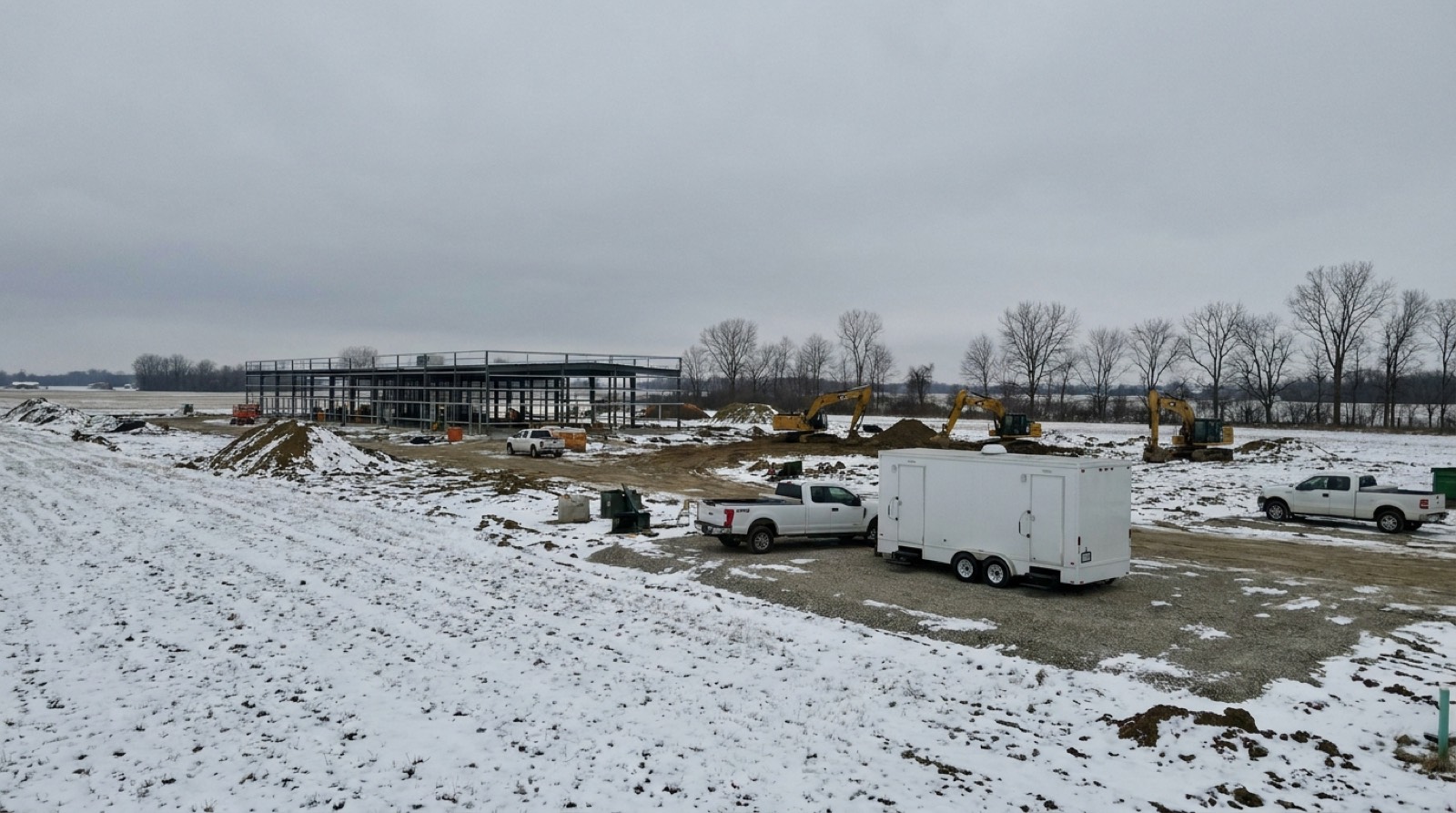
Columbus and New Albany. Freeze protection and winter service access matter here in a way Sun Belt corridors never see.
View Ohio →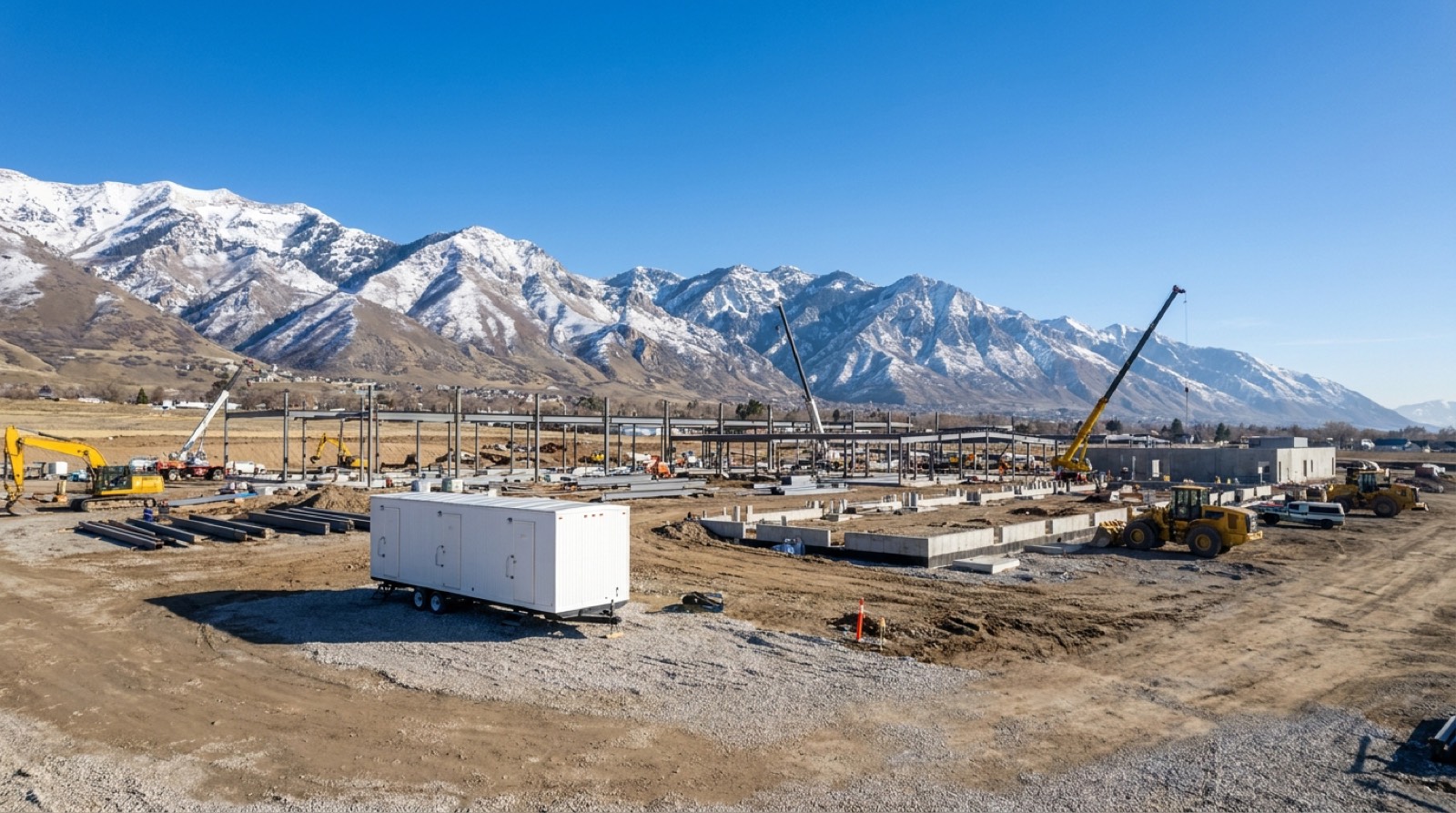
The Wasatch Front corridor runs through hard winters at elevation. Units are winterized and service intervals hold through snow.
View Utah →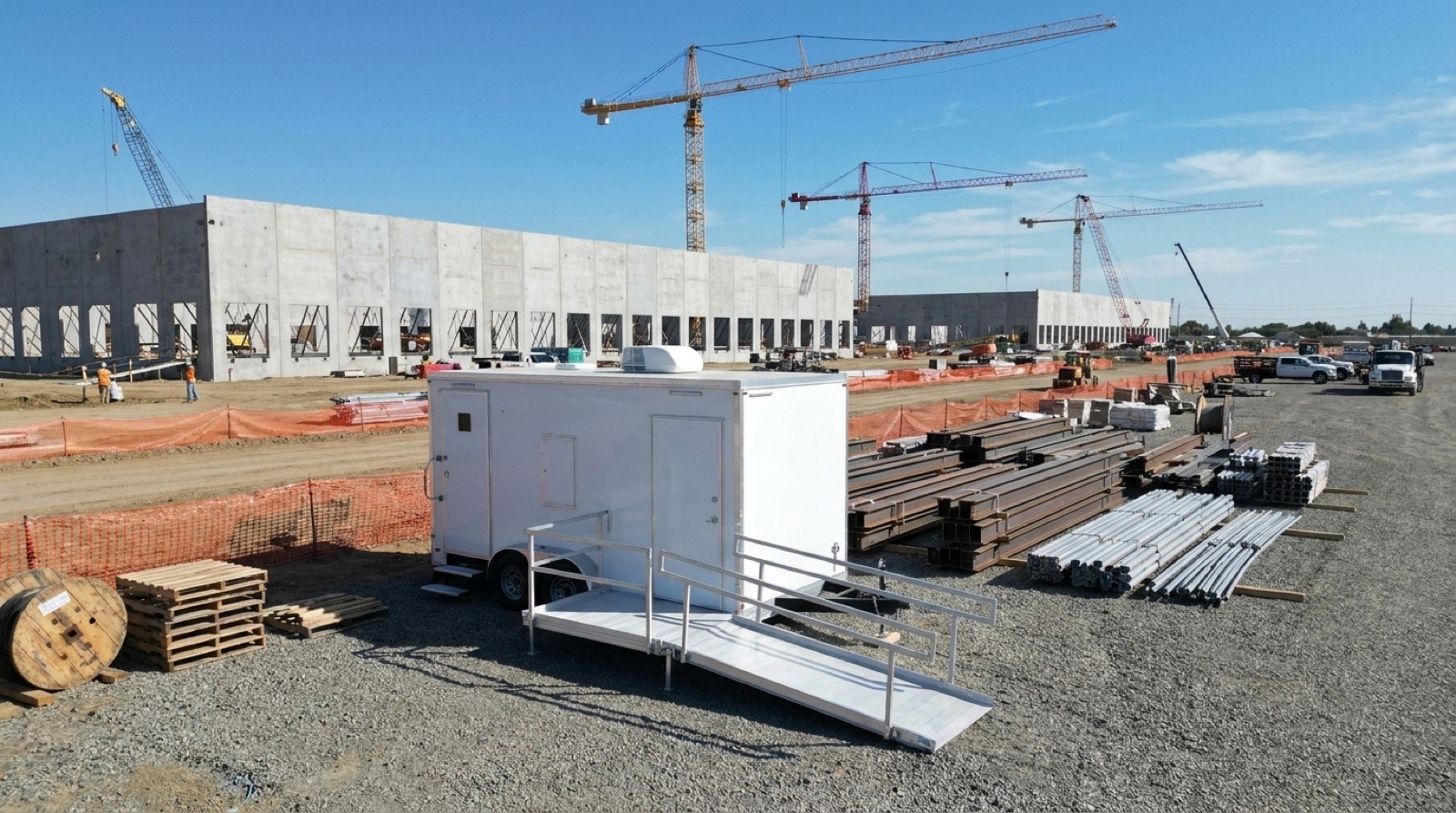
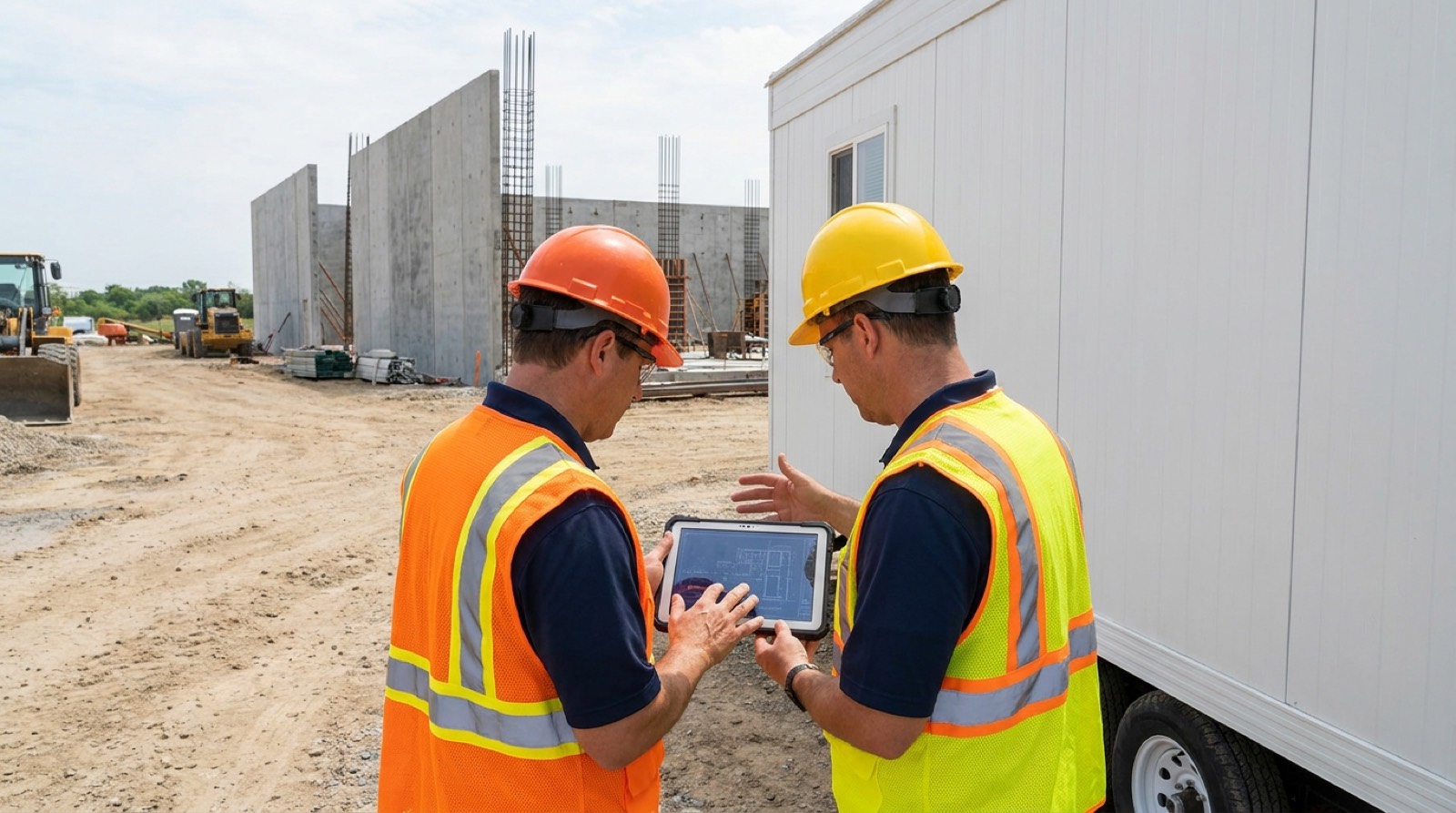
Most Georgia deployments bundle several units under one route. One contracted vendor, one dispatch, one escalation path, and a site plan that arrives already coordinated.
Water is the first thing safety plans ask about. Hydration station rentals in Georgia run on the same supply logistics as the rest of the package, so adding them costs one stop, not a second vendor.
Where crews rotate in from out of the area, the end of shift is its own rush hour. Shower trailer rentals in Georgia carry that peak so the workforce goes home clean.
Extended-stay crews generate wash loads every week of the schedule. Laundry trailer rentals in Georgia keep that cycle on site instead of in a hotel sink.
Food service and ice programs live or die on cold storage at the pad. Refrigeration trailer rentals in Georgia hold setpoint through the local season.
Restroom capacity anchors the plan. Restroom trailer rentals in Georgia sit closest to the workface and set the service route that every other unit rides on.
The full reach of our office trailer rentals program runs beyond Georgia, covering every corridor we serve.
Questions we get
They give lightning-break crews immediate shelter, which keeps the pause short and the crew dry when work resumes.
Climate control runs longer hours here, protecting documents and electronics through the humid months.
Yes. Offices near the gate, break units along the work faces, all on one contracted service route.
Go deeper
Longer reads for teams writing the site plan. Open what applies to your build.
Metro Atlanta and the I-20 corridor toward Douglas County sit in one of the country's most active thunderstorm regions. From late spring through early fall, afternoon storms build fast, arrive with lightning, and pass within an hour. On a data center site full of steel, cranes, and open slab, every one of those storms triggers a work stoppage. The question is not whether crews will stand down for lightning. It is where several hundred people go when they do.
Without a plan, the answer is personal trucks and the gate line, which scatters the workforce and slows the restart. With break trailers distributed around the site, crews shelter minutes from their work area and stay accounted for. They go back to work as soon as the all-clear sounds. Over a Georgia summer, faster restarts add up to real recovered schedule.
Lightning stand-downs differ from lunch breaks in one important way. Everyone stops at once. A break plan sized for staggered lunches will not hold the whole site simultaneously, so Georgia projects should check their shelter math separately. Seating for lunch might cover 35 percent of headcount. Storm shelter needs room for closer to all of it, spread across units and other hard-covered spaces.
Common safety guidance calls for waiting 30 minutes after the last thunder. That means crews may occupy shelter for a while, sometimes more than once in an afternoon. Climate control matters here too. A packed trailer in July needs its air conditioning working, or the shelter becomes its own heat problem.
Most Georgia sites already have a written severe weather plan naming a warning method and a shelter procedure. The gap is usually physical. The plan says workers shelter in designated areas, and nobody has counted the designated areas. Walk the site with the safety manager and map each break trailer to the crews it covers. That turns the document into something that works at 2 pm on a Thursday.
Mark the shelter units clearly, keep their doorways clear of stored material, and include them in the weather drill at project start. When the first big cell rolls over the corridor in May, the rehearsed sites restart a full crew fast. Their neighbors are still finding people. That difference, repeated across a stormy Georgia summer, is worth more than the trailers cost.
Georgia humidity is not just uncomfortable. It is a slow, persistent attack on everything a site office holds. Summer dew points around Atlanta sit in the 70s for weeks, and any space that is not consistently conditioned takes on moisture. Drawings curl and stick together. Printed submittals wrinkle. Laptops and monitors sweat when they move between a cool room and thick outdoor air. Over a two-year build, an office that loses its climate control for even a few weekends develops a musty smell that never fully leaves.
Data center projects feel this more than most because they run on documentation. Quality records, torque logs, test reports, and red-line sets have to survive the whole job and land in the turnover package clean. The site office is the archive, and in Georgia the archive needs mechanical help.
The biggest single mistake is shutting HVAC down on nights and weekends to save power. Moisture does not keep business hours. When conditioning stops on Friday evening, humid air finds its way in, soaks into paper and furnishings, and Monday's cooling has to wring it back out. Continuous operation at a modest setback holds the interior stable and actually protects the equipment doing the work.
Size matters as well. An air conditioner that is too large cools the air fast without running long enough to pull water out. That leaves the office cold and clammy at once. Units specified for the Southeast should be sized to run steadily in summer, which is exactly how dehumidification happens.
A few cheap practices go a long way in a Georgia office trailer. Keep archived documents in closed cabinets rather than open shelving, since closed storage buffers the daily swings. Get cardboard boxes off the floor, because trailer floors near doorways see the most moisture. Watch door discipline in July, as a door propped open for a delivery lets in gallons of airborne water an hour.
Electronics deserve one specific habit. Server gear, plotters, and camera equipment should live in the conditioned core of the office, away from doors, and stay powered rather than cycling cold. For projects west of Atlanta along I-20, where several major campuses are underway, we spec office units with Southeast humidity in mind. Ask about HVAC sizing and skirting when you order, and your closeout documents will thank you.
Georgia's data center growth runs along a line. Projects run from the Douglas County campuses out the I-20 corridor and into new ground on the metro's edges. They sit across a wide stretch of red clay and pine. Teams mobilizing here are often coming from other regions, and the local conditions deserve attention before the first trailer ships. Power is abundant, land is comparatively generous, and the counties along the corridor have grown practiced at data center permitting.
Generous land is the notable difference from tighter markets. Where a Northern Virginia site squeezes trailers into leftover corners, a Georgia corridor site can usually lay out a proper compound. Take advantage of it. Space the units, build in real parking, and leave room to grow.
Georgia red clay is the setup detail that catches out-of-state teams. It drains slowly, turns greasy in rain, and heaves through wet winters. A trailer set on unprepared clay will be out of level by spring, with doors that stick and steps that pull away. The fix is standard but non-negotiable. A compacted gravel pad with positive drainage, crowned so water sheds away, and anchoring appropriate to the soil.
Plan the compound's internal roads the same way. A gravel spine road that stays passable in a wet February keeps deliveries, service visits, and daily foot traffic out of the mud. Sites that skip it spend the winter towing pickups.
The corridor's weather calendar shapes the cluster. Summer brings heat, humidity, and near-daily storm risk, which argues for distributed break shelter and continuously conditioned office space. Winter is mild but wet, with occasional ice events that make raised, well-drained pads earn their cost. Spring pollen is its own local phenomenon, coating every surface in yellow for weeks, so HVAC filters need changing more often than the standard schedule assumes.
Placement inside the site plan follows the usual logic, near the gate for visitor access and sight lines to deliveries. On corridor sites, one addition is worth making. These campuses tend to expand, and the county road frontage that is quiet today may be a construction entrance for phase two next year. Set the compound where it serves the full buildout, not just the first building, and confirm the location against the master plan. We help teams new to Georgia get that first site plan right.